
Ventilator (mechanical breathing support)
A ventilator is a medical device that assists or replaces spontaneous breathing. This article explains how ventilators work, their types and modes, components, history, clinical uses, and risks.
A ventilator is a medical device that moves breathable gas into and out of a patient’s lungs when they are unable to breathe adequately on their own. Ventilators range from simple transport units to sophisticated intensive care machines and can provide full respiratory support or partial assistance. They are commonly used in critical care, emergency medicine, surgery (as part of anesthesia systems), and during transport of patients.
Image gallery
10 Images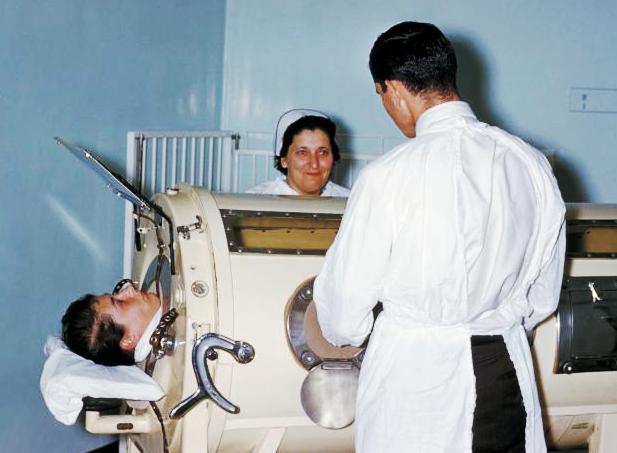


Design and main components
Modern ventilators combine pneumatic and electronic subsystems to control airflow, timing and pressure. Typical components include:
- Gas delivery system: blower or gas source, flow valves and tubing to deliver air or oxygen mixtures.
- Patient circuit: tubing, connectors and interfaces such as endotracheal tubes or masks used in non-invasive ventilation.
- Sensors and controls: pressure, flow and volume sensors plus microprocessor controls that implement ventilation modes and safety limits.
- Humidification and filtration: devices to condition inspired gas and reduce infection risk.
- Alarms and monitoring: visual and auditory alerts for disconnection, high pressure, low volume and other critical events.
For a technical overview of ventilator components see device overview. For guidance on circuit setup and humidification consult manufacturer resources at clinical support.
Types and ventilation modes
Ventilators are classified by how they interface with the patient and how they deliver breaths. Major distinctions include invasive versus non-invasive devices, and stationary intensive care units versus portable or transport ventilators. They are also integrated into anesthetic machines for use during surgery.
- Volume-controlled modes deliver a preset tidal volume each breath.
- Pressure-controlled modes deliver gas until a target pressure is reached.
- Support modes such as CPAP and BiPAP provide continuous or bi-level pressure to assist spontaneous breathing.
- Hybrid and advanced modes combine time, pressure and flow targets and use algorithms to synchronize with the patient’s efforts.
Further reading on clinical modes is available at ventilation modes.
History and development
Mechanical ventilation evolved from negative-pressure devices like the iron lung to positive-pressure ventilators developed in the mid-20th century. Advances in materials, sensors and microprocessors have enabled smaller, safer and more precise machines. Modern ventilators support complex care pathways including lung-protective strategies and automated weaning protocols.
Clinical uses, risks and management
Ventilators are used for respiratory failure, during general anesthesia, for airway protection and to relieve respiratory muscle fatigue. Management includes selecting appropriate settings, monitoring gas exchange and hemodynamics, preventing complications and planning gradual liberation from support (weaning). Complications to watch for include ventilator-associated pneumonia, barotrauma from excessive pressure, oxygen toxicity with prolonged high concentrations and effects related to sedation.
Proper training for clinicians and clear protocols for infection control, alarm management and ethical decision-making are integral to safe ventilator use. Manufacturers’ manuals, clinical guidelines and institutional policies guide appropriate application and troubleshooting.
Questions and answers
Q: What is a ventilator?
A: A ventilator is a machine that moves air in and out of the lungs of a patient in order to help them breathe.
Q: When is a ventilator used?
A: A ventilator is used when a patient cannot breathe on their own or breathe properly.
Q: What is the function of a ventilator?
A: The function of a ventilator is to artificially move air in and out of the lungs of a patient who cannot breathe on their own.
Q: Can a ventilator be used for anesthesia?
A: Yes, some ventilators can also be used in order to give patients anesthesia and can be part of an anesthetic machine.
Q: Who needs a ventilator?
A: Patients who cannot breathe on their own or breathe properly may need a ventilator.
Q: How does a ventilator help a patient breathe?
A: A ventilator moves air in and out of the lungs of a patient in order to help them breathe.
Q: What is an anesthetic machine?
A: An anesthetic machine is a machine used to administer anesthesia to patients, some of which may include a ventilator as part of the machine.
Related articles
Author
AlegsaOnline.com Ventilator (mechanical breathing support) Leandro Alegsa
URL: https://en.alegsaonline.com/art/104585