
Van, Turkey
Van is a city in eastern Turkey on the eastern shore of Lake Van. It is the provincial capital and a regional center with ancient roots, notable cultural sites, and a largely Kurdish population.
Overview
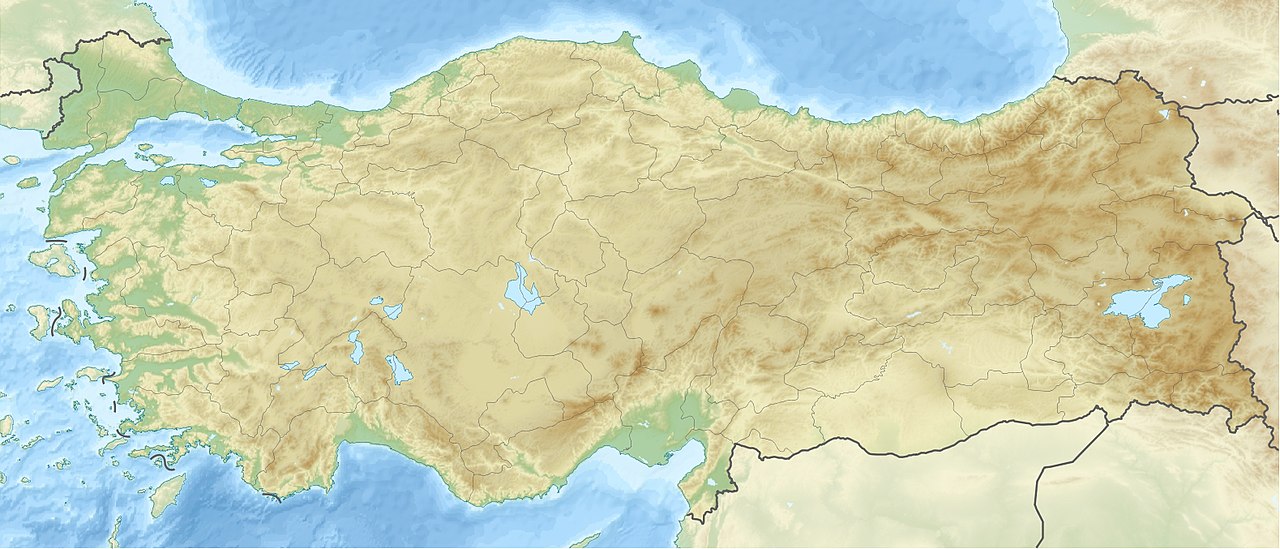
Van is a city in eastern Turkey and serves as the administrative center of Van Province. It lies on the eastern shore of Lake Van, the largest lake in the country. The city has grown into a regional hub for commerce, education and transport in the high plateau of eastern Anatolia.
Image gallery
10 Images




Geography and climate
Van occupies a high-altitude location beside a large saline soda lake, giving the area distinctive landscapes: broad lake shores, surrounding hills and nearby volcanic terrain. Winters are cold and snowy, while summers are warm and relatively dry. The lake moderates local temperatures but also produces fog and strong winds at times.
History
The site of modern Van has been occupied for millennia. In antiquity it was associated with the kingdom of Urartu, whose capital was near the present city and whose ruins and inscriptions remain. Over centuries the region passed through Armenian, Persian, Byzantine and Ottoman rule; it was an important center of Armenian cultural life before the 20th century. In recent history Van expanded under the Republic of Turkey and experienced significant damage during a major earthquake in 2011.
Population and culture
Today Van is a multicultural and multilingual city. Many sources report that Kurds form the majority of the population in and around the city, although the Turkish state does not collect ethnicity data in national censuses. The city also reflects Turkish influence in administration and education, and it preserves diverse local traditions, cuisine and music. The Armenian name for the city is Վան, recalling the long Armenian presence in the area.
Economy and notable sites
Van's economy is based on agriculture, livestock, regional trade and services; tourism around the lake and historical monuments has grown in importance. Visitors are drawn to several landmarks:
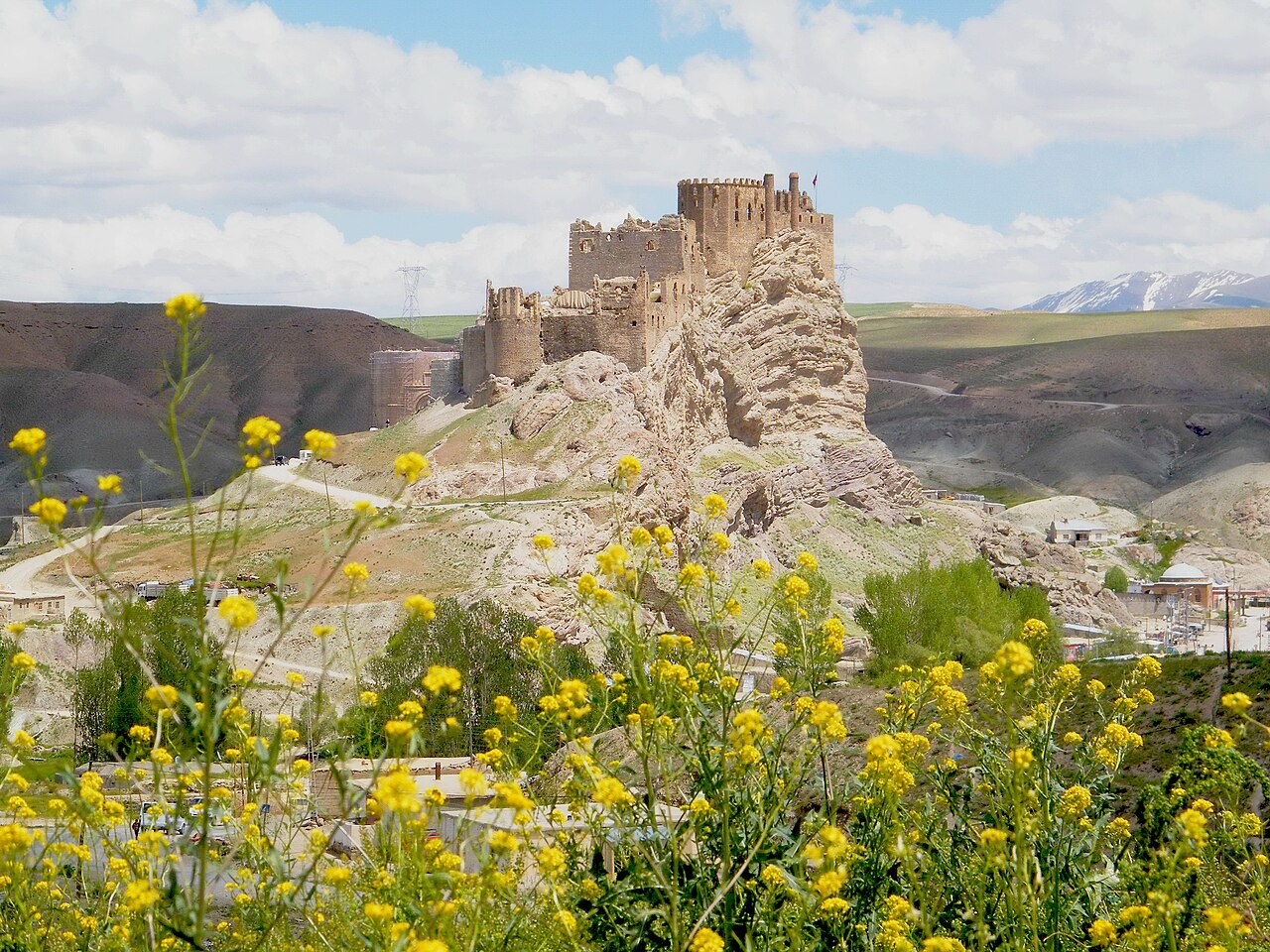
- Van Castle (Van Kalesi), an extensive fortress with ancient foundations and later medieval additions.
- Akhtamar (the island and the 10th-century Cathedral of the Holy Cross), a major Armenian architectural monument in the lake.
- The shores of Lake Van, local markets and regional museums that display Urartian and Ottoman artifacts.
Distinguishing facts and role
Van functions as the principal city of eastern Anatolia for many surrounding towns and rural districts. It is notable for combining deep historical layers—from Urartian remains to medieval Armenian art—with contemporary Kurdish and Turkish urban life. For regional context on demographics and cultural issues see sources discussing the Kurdish population in eastern Turkey, which often reference the predominance of Kurds around Van (sources on Kurdish presence). Transport links, a regional university and ongoing heritage projects continue to shape Van's role in the region.
For administrative information and provincial services consult local government and cultural heritage references linked to Van Province.
Questions and answers
Q: What is Van, Turkey?
A: Van, Turkey is a city located in eastern Turkey and the seat of Van Province.
Q: Where is Van, Turkey located?
A: Van, Turkey is located on the eastern shore of Lake Van.
Q: What is the population of Van, Turkey?
A: According to 2005 data, the population of Van, Turkey was 284,464.
Q: Who makes up the majority of Van, Turkey?
A: According to the Encyclopedia of the Orient, Kurds form the majority in Van, Turkey, although no census based on ethnicity was ever held in Turkey.
Q: Has a census based on ethnicity ever been conducted in Turkey?
A: No, a census based on ethnicity was never held in Turkey.
Q: What is the ethnic composition of Van, Turkey?
A: The ethnic composition of Van, Turkey is largely unknown due to the lack of an official census based on ethnicity, although Kurds are believed to make up the majority.
Q: What is the significance of Lake Van in relation to Van, Turkey?
A: Lake Van is located on the eastern shore of Van, Turkey and is an important natural feature in the area.
Related articles
Author
AlegsaOnline.com Van, Turkey Leandro Alegsa
URL: https://en.alegsaonline.com/art/104155