
Valtimo: Former Municipality in North Karelia, Finland
Valtimo was a sparsely populated municipality in North Karelia, Finland, merged into the town of Nurmes in 2020. Overview, geography, population, economy, history and notable facts.
Valtimo was a small municipality located in the eastern Finnish region of North Karelia within the country of Finland. It had a rural character, with a dispersed population and a landscape typical of inland Finland: forests, lakes and small settlements. In administrative terms Valtimo ceased to exist as an independent municipality when it was merged into the neighbouring town of Nurmes on 1 January 2020.
Image gallery
2 Images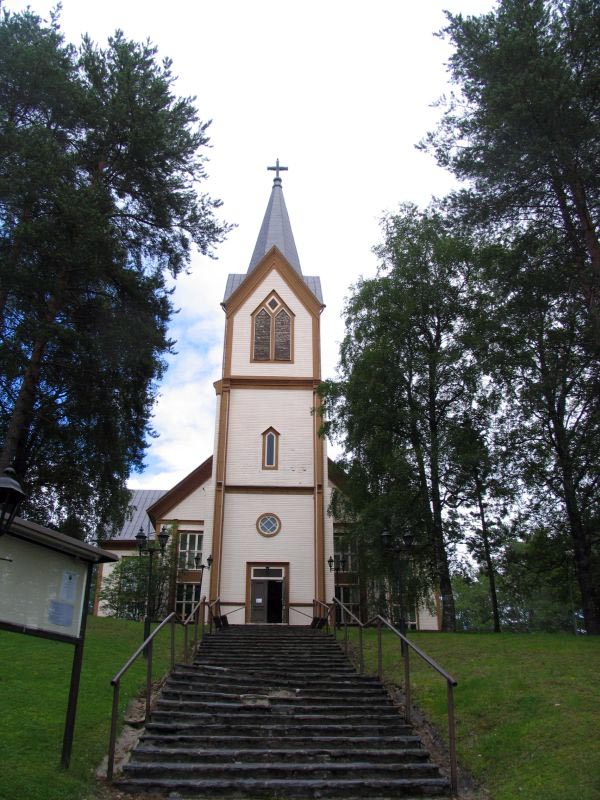

Geography and population
Valtimo lay near the boundaries of several other municipalities, bordering Nurmes, Rautavaara and Sotkamo. As of early 2014 its population was reported at roughly 2,385 people, indicative of low population density common to many parts of eastern Finland. The local environment supported forestry, lakeside recreation and scattered farmsteads rather than large urban infrastructure.
History and administrative change
Like many small Finnish municipalities, Valtimo developed around local agricultural and forest industries and maintained municipal services on a small scale. During the 2010s municipal consolidation and cost pressures led to negotiations with neighbouring authorities. Those processes resulted in the formal merger with the town of Nurmes at the start of 2020, a change intended to streamline administration and public services for the area.
Economy, culture and services
The local economy was largely rural and resource-based, with forestry and related activities playing a central role alongside small-scale farming and service businesses. Cultural life reflected Finnish regional traditions: community events, outdoor recreation, and seasonal activities tied to nature. Services such as schools and local clinics were organized at municipal level and later integrated into the wider Nurmes administration after the merger.
Notable facts and distinctions
- Valtimo exemplified demographic and economic trends affecting small municipalities across Finland: aging populations, limited tax base and a need for administrative consolidation.
- Its merger into Nurmes is one of several regional reorganizations in North Karelia intended to improve efficiency of public services.
- The municipality's setting—characterized by forests and lakes—made it typical of the Finnish lakeland and bore recreational and ecological value for residents and visitors.
For further regional context see information on North Karelia and neighbouring municipalities such as Rautavaara and Sotkamo, or follow local administrative resources via links maintained by the successor municipality and regional authorities.
Related articles
Author
AlegsaOnline.com Valtimo: Former Municipality in North Karelia, Finland Leandro Alegsa
URL: https://en.alegsaonline.com/art/104106