
Valproate: uses, forms, adverse effects, and safety considerations
Overview of valproate (valproic acid and salts): clinical uses in epilepsy, bipolar disorder and migraine; common and serious adverse effects; pregnancy risks; monitoring, interactions and practical prescribing notes.
Overview
Valproate (valproic acid, sodium valproate and valproate semisodium) is an anticonvulsant and mood‑stabilizing medicine used across several neurological and psychiatric conditions. For general drug monographs and regulatory information see drug monograph. It is prescribed to control many seizure types, to stabilize mood in bipolar disorder and, in some patients, to reduce the frequency of migraine attacks.
Image gallery
6 Images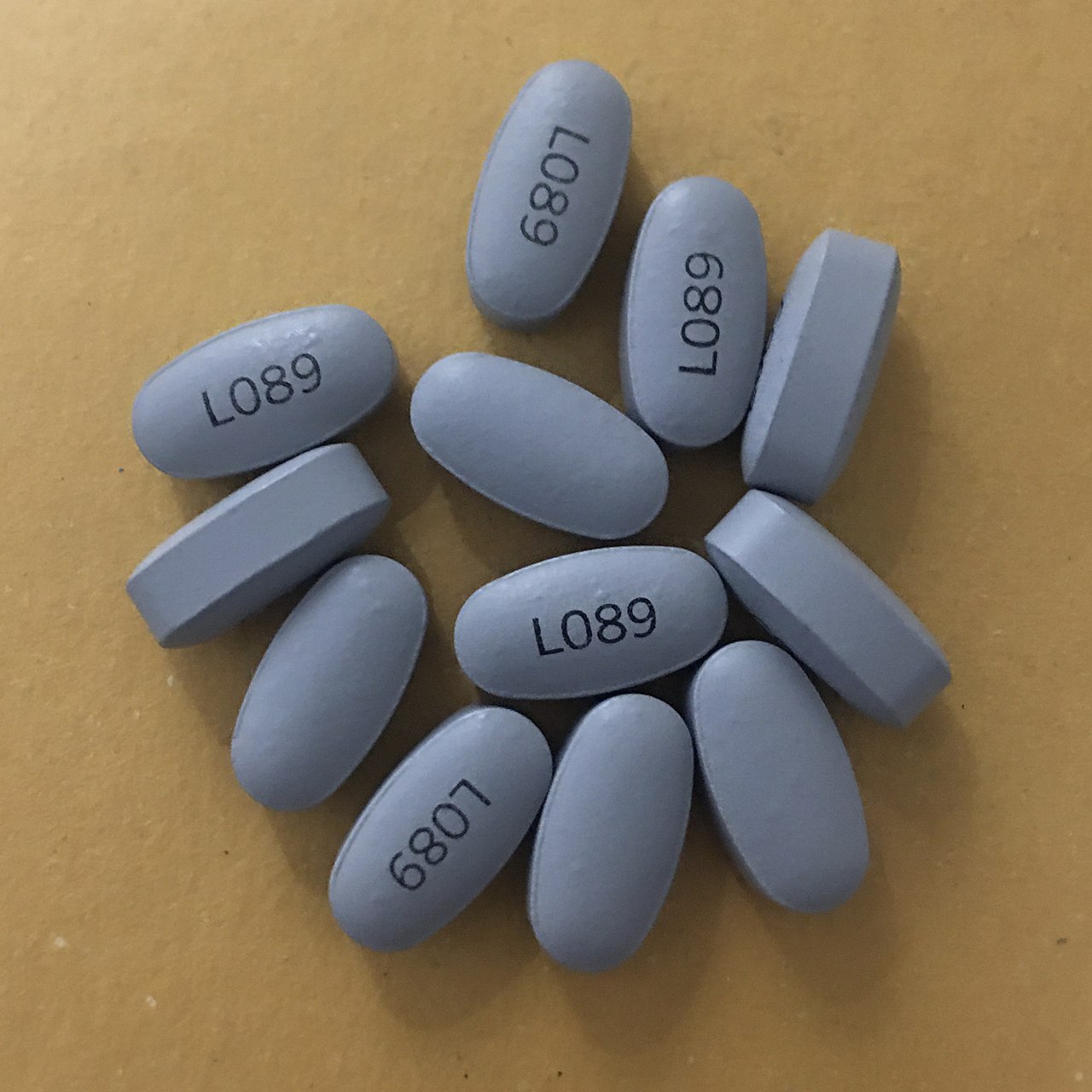


Forms and administration
Valproate is available as valproic acid and as salt forms that are formulated for oral immediate‑release, extended‑release, and for intravenous use when oral administration is not feasible. Practical details on oral dosing are summarized at oral dosing, with intravenous options and indications described at intravenous use. Choice of formulation may affect tolerability and dosing frequency.
Clinical uses
Valproate has established efficacy in generalized epilepsies and as a broad‑spectrum antiepileptic for some focal seizures; see clinical guidance on epilepsy at epilepsy treatment and seizure classification at seizure categories. It is widely used as a mood stabilizer in bipolar disorder and other affective conditions (bipolar disorder). Valproate can also be considered for migraine prophylaxis in selected patients who meet criteria for preventive therapy (migraine prevention).
Mechanism of action and pharmacology
The anticonvulsant and mood‑stabilizing effects relate to multiple actions on the central nervous system, including modulation of GABAergic transmission, effects on ion channels and intracellular signalling pathways. The precise mechanisms remain incompletely defined, and different effects may contribute to efficacy in seizures, mood disorders and headache prevention.
Adverse effects and monitoring
Mild adverse effects are common and often manageable by dose adjustment. Typical complaints include somnolence (sleepiness), dry mouth (xerostomia), and gastrointestinal upset such as nausea and vomiting (nausea and vomiting). Other frequent effects include weight gain, tremor and hair thinning.
- Serious but uncommon: hepatotoxicity and liver failure (liver problems), pancreatitis (pancreatitis), and hematologic abnormalities such as thrombocytopenia.
- Neuropsychiatric: an increased risk of suicidal thoughts and behaviours has been reported with some antiepileptic drugs; prescribers and patients should be alert to mood changes (suicide risk).
Routine baseline and periodic laboratory monitoring is recommended, typically including liver function tests, complete blood count and, in selected patients, serum ammonia. Therapeutic drug monitoring of valproate concentrations can help with dose adjustments in cases of poor control or toxicity.
Pregnancy, fertility and reproductive safety
Valproate is associated with a substantial risk of congenital malformations and neurodevelopmental disorders when taken during pregnancy; regulator guidance strongly cautions against use in pregnancy and in women of childbearing potential unless no suitable alternatives exist. For specific recommendations and risk‑minimization strategies consult pregnancy safety guidance. Counseling about contraception and alternative treatments is an essential part of care for those who can become pregnant.
Interactions, contraindications and special populations
Valproate interacts with several other medicines by pharmacokinetic and pharmacodynamic mechanisms; interactions can alter levels of concomitant antiepileptic drugs and other treatments. Clinicians consider interactions when combining valproate with other agents and when prescribing for children, older adults or people with hepatic disease. Practical interaction summaries and contraindications are provided in trusted references and prescribing information (drug monograph, clinical guidance).
Overdose, withdrawal and long‑term management
Acute overdose may cause central nervous system depression, respiratory compromise and metabolic disturbances; management is supportive and may require intensive care. Abrupt withdrawal of valproate can precipitate seizures in susceptible people, so discontinuation should usually be gradual under medical supervision. Long‑term management emphasises periodic reassessment of risks and benefits, monitoring for adverse effects and considering alternative therapies when appropriate.
Practical prescribing and regulatory context
Because of its efficacy and risk profile, valproate is typically prescribed after careful evaluation of diagnosis, comorbidities and pregnancy potential. Some regions operate pregnancy prevention programs or require specific consent and documentation before valproate is dispensed to people of childbearing potential; check local regulatory advice (bipolar disorder guidance, migraine guidance). Additional clinical resources include specialist societies and patient information pages (seizure resources, hospital protocols).
For more detailed prescribing information, monitoring checklists and patient leaflets consult professional references and national regulatory agencies (dosing information, side effect resources, support services, adverse event reporting, liver safety, pancreatitis alerts, safety advisories, pregnancy recommendations).
Patients and caregivers should discuss alternatives, contraception, monitoring and potential risks with their healthcare provider before starting or continuing valproate therapy.
Questions and answers
Q: What is Valproate?
A: Valproate is a drug with the different forms, valproic acid, Sodium Valproate and Valproate semisodium. It is mostly used to treat epilepsy and bipolar disorder. It is also used to prevent migraines.
Q: How is it administered?
A: It can be given intravenously or by mouth.
Q: What are some common side effects of this medication?
A: Common side effects of this medication are sleepiness, dry mouth, weakness, vomiting and nausea.
Q: Are there any serious side effects associated with taking Valproate?
A: Serious side effects can include liver problems, pancreatitis and an increased suicide risk.
Q: Is it safe for pregnant women to take Valproate?
A: No, it is not recommended for women who are pregnant or able to become pregnant to take Valproate as it known to cause birth defects and miscarriages in pregnant women who use the medicine.
Q: Does Valproate help prevent seizures?
A: Yes, it can be useful in preventing some kinds of seizures.
Related articles
Author
AlegsaOnline.com Valproate: uses, forms, adverse effects, and safety considerations Leandro Alegsa
URL: https://en.alegsaonline.com/art/104097
Sources
- drugs.com : "Valproic Acid"
- doi.org : 10.1081/CLT-120014645
- pubmed.ncbi.nlm.nih.gov : 12475192
- pharmac.govt.nz : "Sodium valproate -- Pharmaceutical Schedule" · web.archive.org