
Adobe (mudbrick): traditional earth construction, types, and uses
Adobe is an ancient building material of sun-dried soil and organic fibers. This article explains its composition, properties, history, construction methods, advantages, limitations and modern relevance.
Overview
Adobe refers to bricks or building units made from a mixture of local soil and often added organic matter that are formed and dried without firing. The word comes from Spanish for "mudbrick" but it is also used more broadly to describe types of earthen construction. Typical adobe combines soil with straw, grass, or other organic matter to bind and reduce cracking. Adobe structures rely on mass and shape rather than high-strength materials, and their performance depends strongly on climate, maintenance and detailing.
Image gallery
10 Images


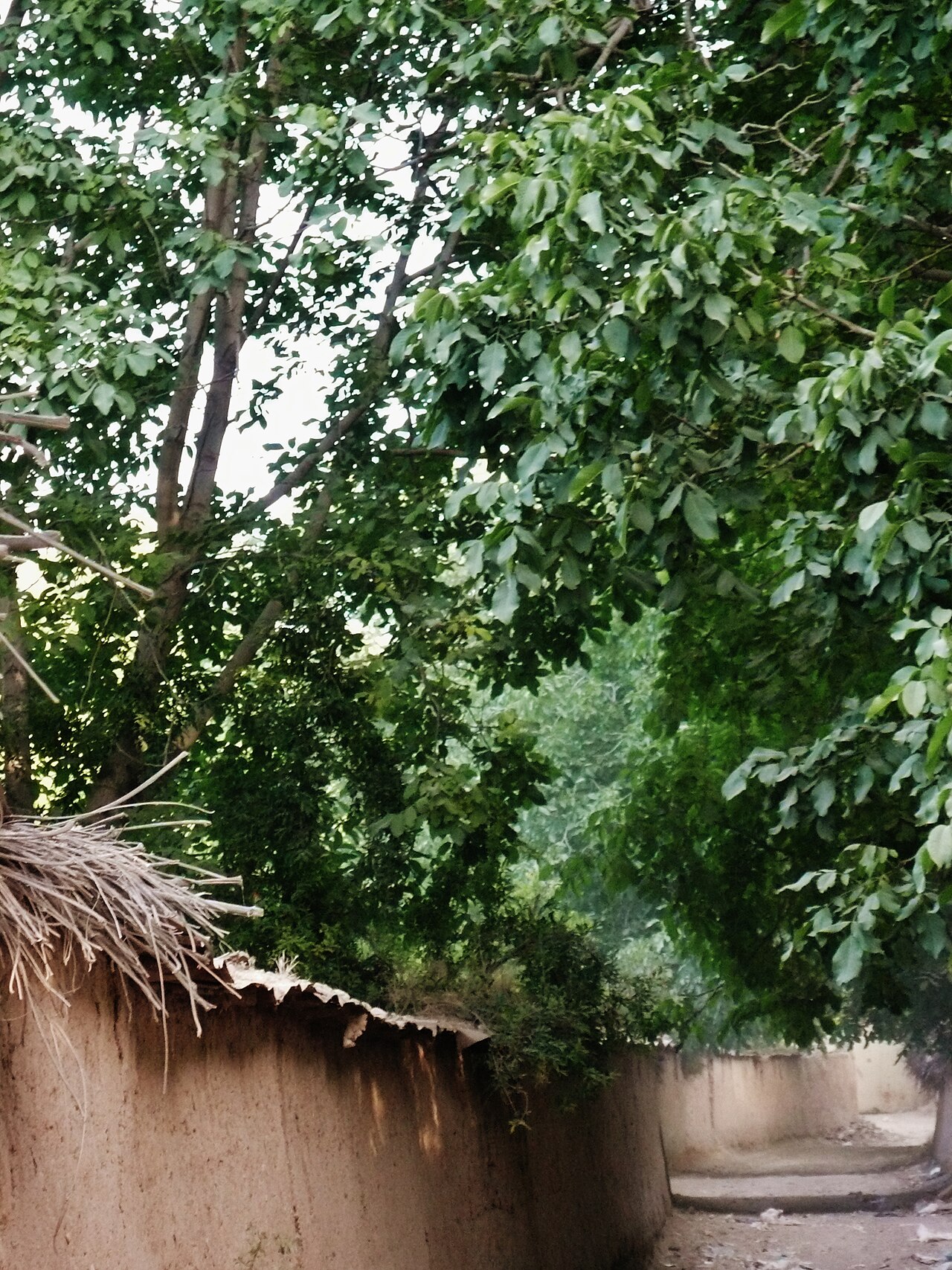
Composition and characteristics
Adobe bricks are formed from a mix of clay, silt and sand in proportions that control cohesion and shrinkage. Organic fibers provide tensile resistance and help control drying cracks. Unlike fired ceramics, adobe is not fired in a kiln, so its mechanical strength comes from the compacted mass and moisture content. As humidity changes adobe can shrink and swell, which influences how it interacts with other materials such as wood or metal. For that reason, builders typically provide flexible joints, raised foundations, and generous roof overhangs to protect walls from water.
History and regional practice
Earthen building predates most modern materials and occurs worldwide. In parts of the Americas, Europe, Africa and Asia, variations of adobe have been used for millennia. In the southwestern United States, for example, adobe building techniques persisted into and beyond the 16th century; local craft traditions influenced wall thickness, mortar practice and finish. Stone is commonly used as a foundation to lift adobe from ground moisture, and timber is used for lintels and roofs — often without mechanical fastening, relying on mass and bearing to hold components in place, with wood forming the roof.
Construction methods and maintenance
Adobe construction can use molded bricks stacked with earthen mortar, or monolithic techniques such as cob and rammed earth. Basic steps include testing soils, mixing with water and fibers, forming units, air-drying, and assembling with attention to drainage and protection. Regular maintenance—repairing eroded surfaces, replastering, and managing water runoff—is essential to keep structures sound because wetting reduces strength and accelerates deterioration.
Uses, advantages and limitations
- Advantages: low embodied energy, use of local materials, excellent thermal mass for diurnal temperature regulation, and cultural value.
- Limitations: vulnerability to prolonged moisture, limited tensile strength, and movement relative to rigid materials which can cause separation or cracking where adobe meets wood or metal.
- Appropriate contexts: arid and semi-arid climates, low-rise buildings, restoration projects and sustainable construction where designers address water management and seismic considerations.
Distinctions and notable facts
Adobe differs from other earthen methods: cob is hand-formed without bricks, rammed earth is compacted in formwork, and fired brick undergoes ceramic transformation. Modern practice often combines traditional adobe with contemporary engineering, protective plasters and foundation isolation to extend service life. For further reading about raw materials, regional methods and conservation, see resources on soil selection, organic amendments and climate-appropriate detailing via soil guides and vernacular building references such as those linked here: techniques, regional examples and practical maintenance notes (fibers, drying).
Questions and answers
Q: What is adobe?
A: Adobe is a building material made from soil and often organic matter. It can mean any kind of earth construction and is one of the earliest building materials ever used.
Q: What does adobe mean in Spanish?
A: Adobe means mudbrick in Spanish.
Q: Where can adobe be found?
A: Adobe can be found all over the world.
Q: Which techniques have changed in adobe construction in the Southwestern United States?
A: The techniques used in adobe construction have not changed since the 16th century in the Southwestern United States.
Q: Does adobe become hard when fired in a kiln?
A: Adobe does not need to be fired in a kiln and, as a result, it never becomes hard. It shrinks and swells as the water content in it changes and becomes weaker as it gets wetter.
Q: Does adobe construction permanently stick to wood, metal or stone?
A: Adobe does not permanently stick to wood, metal or stone because it moves more than they do. This causes cracks and separation from other materials.
Q: What materials are usually used for foundations and roofs in adobe construction?
A: Stone is sometimes used as a foundation and wood for the roof in adobe construction, and these are usually held in place by their own weight or the weight of the adobe pressing down on them.
Related articles
Author
AlegsaOnline.com Adobe (mudbrick): traditional earth construction, types, and uses Leandro Alegsa
URL: https://en.alegsaonline.com/art/1038
Sources
- solidearth.co.nz : "Solid Earth Adobe Buildings"
- merriam-webster.com : "adobe"
- nps.gov : "Preservation of Historic Adobe Buildings"