
Usa-jinjū (Usa Hachiman-gū) — Hachiman shrine in Ōita, Kyushu
Usa-jinjū, commonly called Usa Hachiman-gū, is the principal Shinto shrine of Hachiman in Usa, Ōita Prefecture, Kyushu. It played a central role in medieval religious life and samurai patronage.
Overview
Usa-jinjū, often referred to as Usa Hachiman-gū, is a major Shinto sanctuary located in the city of Usa within Ōita Prefecture, on Kyushu island. The complex is dedicated to Hachiman, a widely venerated protective kami associated with warfare, agriculture, and the imperial family. As a focal point of Hachiman worship, Usa-jinjū has influenced the design and ritual practice of many branch shrines nationwide.
Image gallery
5 Images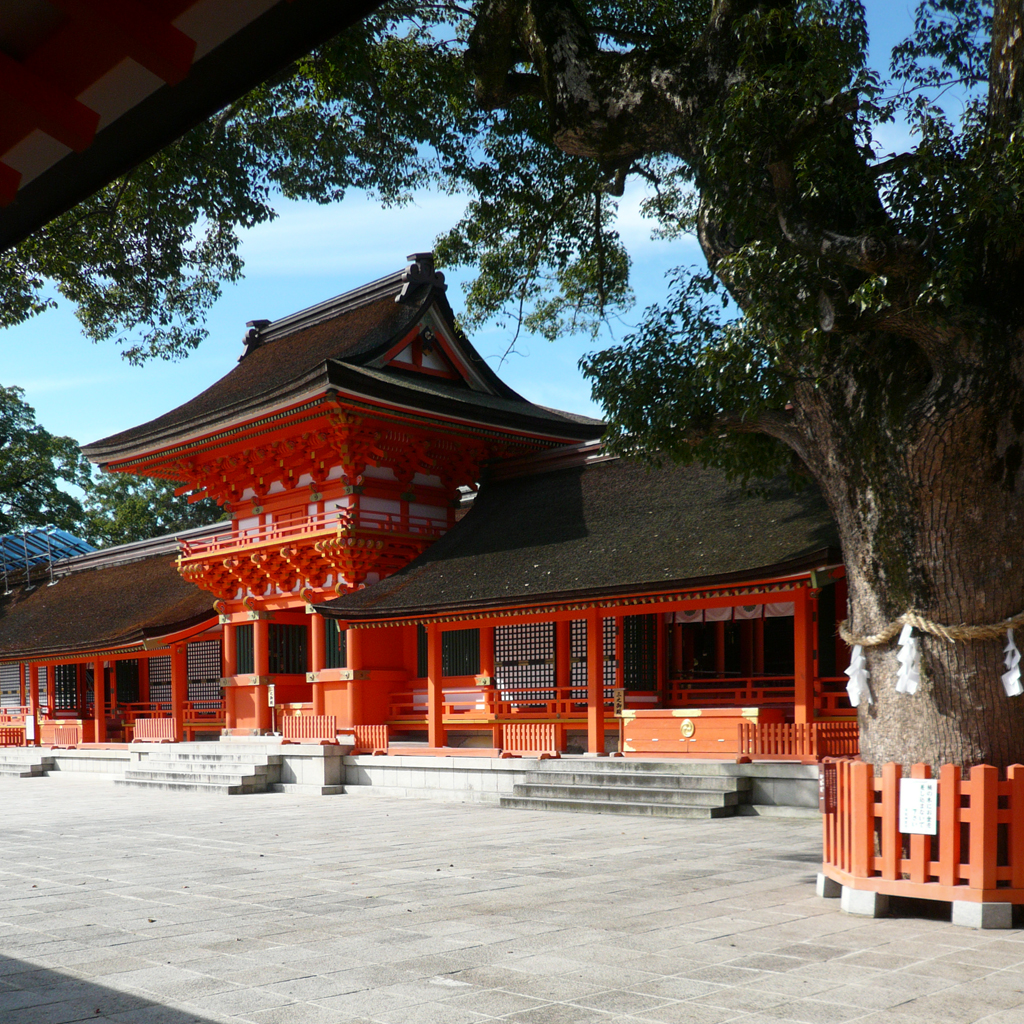


Architecture and precincts
The shrine precincts contain multiple halls, gates, and auxiliary shrines laid out according to traditional Shinto planning. The principal sanctuary exemplifies the distinctive Hachiman-zukuri architectural style, which involves paired building elements under connected roofs. Visitors encounter torii gates, approach paths, and ritual spaces for offerings and purification. Several historic structures within the grounds are recognized for their cultural value.
History and development
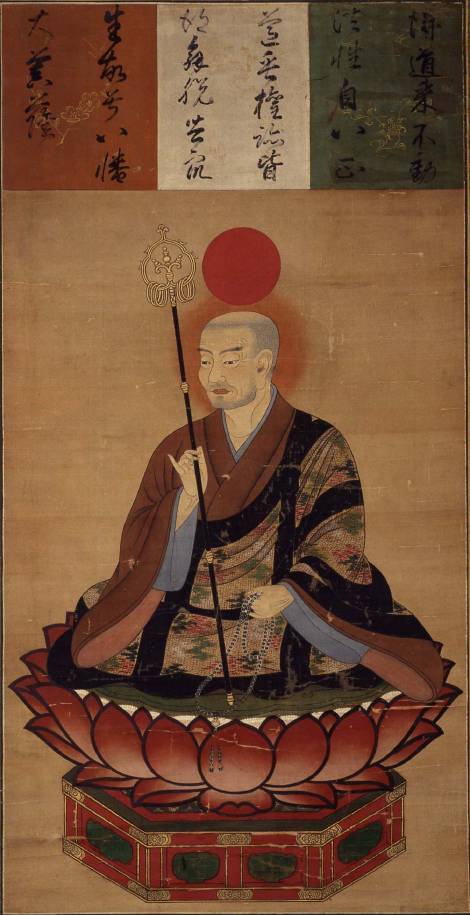
Tradition places the foundation of Usa-jinjū in the Nara period; over subsequent centuries it became the chief center for the Hachiman cult. From the Heian through the medieval era, the shrine maintained close ties with the court and warrior elites, who sought Hachiman's protection. Like many important sacred sites, it experienced religious syncretism with Buddhism until the Meiji-era separation of Shinto and Buddhism, when Buddhist elements were removed or reassigned.
Rituals, festivals and social role
Usa-jinjū remains an active religious site hosting annual festivals, seasonal rites, and life-cycle ceremonies. Pilgrims and local worshippers visit to offer prayers for protection, success, and community welfare. The shrine's rituals preserve regional liturgies and traditional music, and its festival calendar shapes local cultural rhythms throughout the year.
Significance and notable facts
- Usa-jinjū has served historically as the model and administrative center for many Hachiman shrines across Japan.
- Its association with imperial protection and samurai patronage made it influential in medieval politics and warfare.
- Several buildings and artifacts within the precincts are treated as important cultural properties and are subjects of conservation.
For further general information about Shinto practice, shrine etiquette, and regional heritage, consult overview resources and guides: Shinto and shrines, regional cultural listings at Usa city portals, and prefectural heritage pages at Ōita Prefecture.
Questions and answers
Q: What is Usa-jinjū?
A: Usa-jinjū is a Japanese Shinto shrine located in the city of Usa in Ōita Prefecture on the island of Kyushu.
Q: Is Usa-jinjū also known by another name?
A: Yes, Usa-jinjū is also known as Usa Hachiman-gū.
Q: Where exactly is Usa-jinjū located?
A: Usa-jinjū is located in the city of Usa in Ōita Prefecture on the island of Kyushu.
Q: What is the religion associated with Usa-jinjū?
A: Usa-jinjū is associated with the Shinto religion.
Q: What kind of shrine is Usa-jinjū?
A: Usa-jinjū is a Shinto shrine.
Q: Is Usa-jinjū a well-known shrine?
A: Yes, Usa-jinjū is a well-known shrine in Japan.
Q: Which Japanese island is Usa-jinjū located on?
A: Usa-jinjū is located on the island of Kyushu.
Related articles
Author
AlegsaOnline.com Usa-jinjū (Usa Hachiman-gū) — Hachiman shrine in Ōita, Kyushu Leandro Alegsa
URL: https://en.alegsaonline.com/art/103650
Sources
- books.google.com : "Usa Hachiman-gū"
- books.google.com : Annales des empereurs du japon, pp. 78-81
- books.google.com : The Cambridge History of Japan, p. 411 n144 citing Ross Bender, "The Hachiman Cult and the Dōkyō Incident" in Monumenta Nipponica. 24 (Summer 1979): 124.
- eos.kokugakuin.ac.jp : "Nationwide List of Ichinomiya," p. 3.
- kanko-otakara.jp : Usa Jinju Shrine
- books.google.com : Shinto and the State, 1868-1988, p. 12.