
Ursa Minor: the Little Bear and the Little Dipper
Ursa Minor is a small northern constellation containing the north celestial pole and Polaris. Known as the Little Bear or Little Dipper, it has navigational, cultural, and astronomical significance.
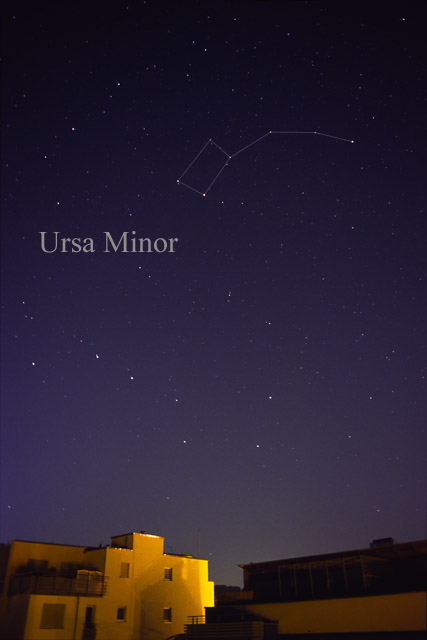
Ursa Minor is a compact constellation in the northern sky traditionally called the Little Bear and commonly recognized by the Little Dipper asterism. It occupies a modest area near the northern celestial pole and is visible throughout the year from many locations in the Northern Hemisphere. The pattern of stars resembles a small dipper or ladle, with one end of the handle occupied by the star Polaris, the current North Star.
Image gallery
9 Images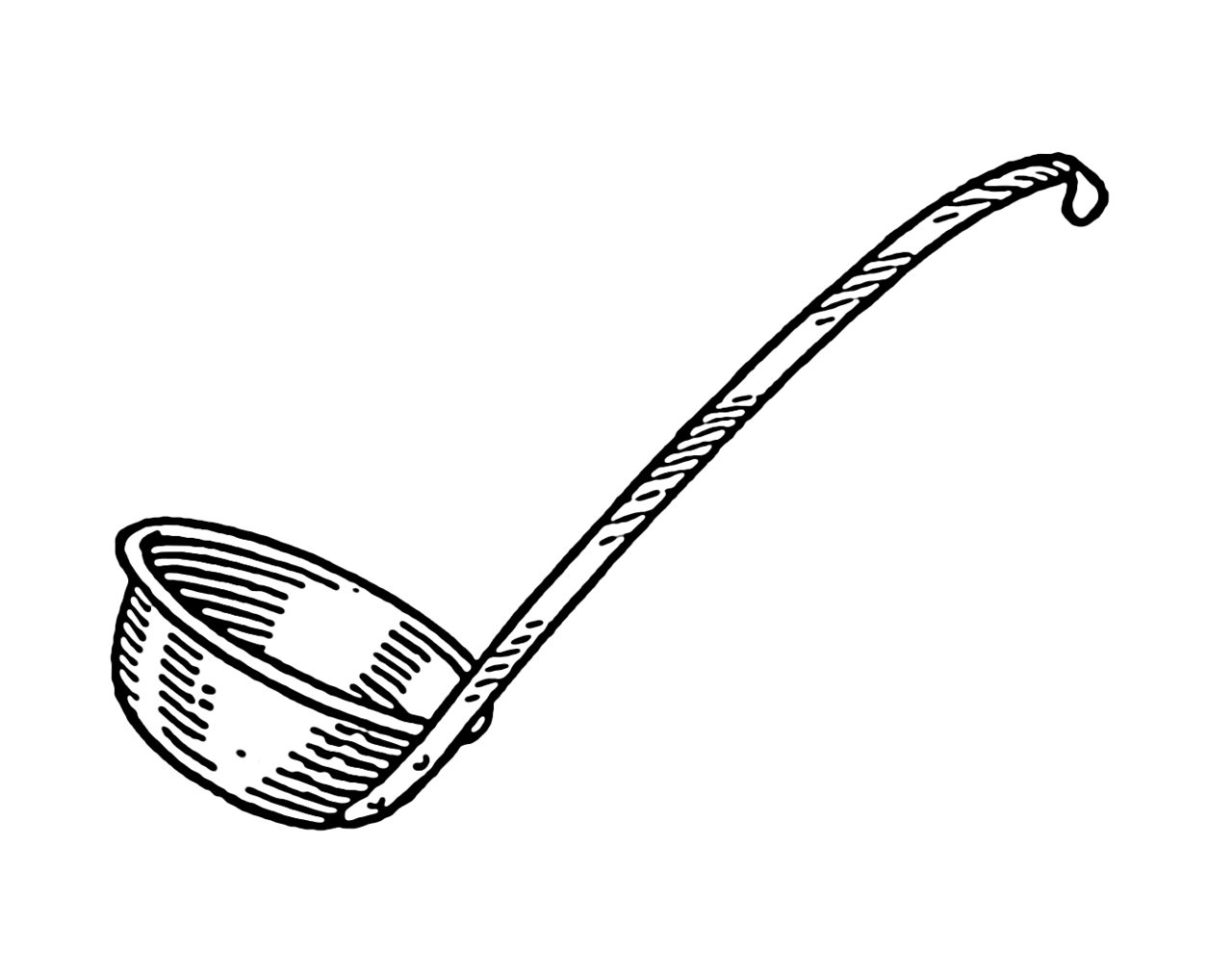




Appearance and main features
Ursa Minor is composed of several relatively faint stars that form the Little Dipper: a curved handle of stars leading to a compact bowl. The brightest and most important star is Polaris, which lies very close to the north celestial pole and has long been used for navigation and orientation. Other notable members include Kochab and Pherkad, traditionally called the "Guardians of the Pole," which flank the bowl and help define the asterism. While the bowl and handle are the most recognizable pattern, the constellation boundary extends beyond the asterism to include additional faint stars.
Stars and structure
- Polaris (Alpha Ursae Minoris) — a multiple-star system whose primary component is a supergiant and whose position near the pole makes it practical for finding north.
- Kochab and Pherkad — Beta and Gamma Ursae Minoris; together with Polaris they form an easily remembered trio and were historically described as guarding the pole.
- Little Dipper — an asterism formed by seven principal stars; unlike some constellations, its familiar shape relies on these few members rather than the full constellation boundary.
History and mythology
This constellation has a long recorded history. The Greco-Roman scholar Ptolemy catalogued Ursa Minor among the classical constellations, and it remains one of the 88 modern constellations recognized by the International Astronomical Union. In classical mythology, the bears of Ursa Major and Ursa Minor are often linked to the story of Callisto and her son Arcas, transformed into bears and set among the stars. Variants of the Little Bear motif also appear in many cultures that observe the northern sky.
Practical importance and astronomy
Ursa Minor's chief practical role has been as a celestial marker: Polaris provides a stable reference for navigation and for aligning astronomical instruments. Because the constellation lies near the north celestial pole it is circumpolar from mid- and high-northern latitudes, meaning it never fully sets below the horizon there. That characteristic made its stars useful for navigation, timekeeping, and orientation long before mechanical compasses and modern instruments.
Precession and changing skies
The fact that Polaris is the North Star is not permanent. Earth's axis slowly shifts direction in a process called axial precession, which completes a cycle in roughly 26,000 years. Over millennia the celestial pole traces a circle through the sky, so different stars become pole stars at different epochs. Polaris will remain close to the pole for the present centuries but will move away as precession continues, and other stars will take its role in the far future.
Distinctions and modern context
Today Ursa Minor remains a compact but culturally and practically significant constellation: small in area, easily identified by the Little Dipper asterism, and central to northern sky orientation. It illustrates how a few moderately bright stars can have outsized importance because of their position near the celestial pole, and it continues to appear in star charts, navigation guides, and cultural references to the night sky.
Questions and answers
Q: What is Ursa Minor?
A: Ursa Minor is a constellation in the northern sky, also known as the Little Bear or the Little Dipper.
Q: Is Ursa Minor related to any other constellation?
A: Ursa Minor is related to Ursa Major, which is also known as the Big Bear or the Big Dipper.
Q: What is the handle of Ursa Minor called?
A: The handle of Ursa Minor is called Polaris, which is also known as the North Star.
Q: Who included Ursa Minor in his list of 48 constellations?
A: The ancient astronomer Ptolemy included Ursa Minor in his list of 48 constellations.
Q: How many modern constellations are there, and is Ursa Minor one of them?
A: There are 88 modern constellations, and Ursa Minor is one of them.
Q: What makes Ursa Minor special?
A: Ursa Minor includes the north celestial pole, which means it contains Polaris, the North Star.
Q: Will Ursa Minor always contain the north celestial pole?
A: No, Ursa Minor will not always contain the north celestial pole because the Earth's axis will change direction over time, a movement called precession.
Related articles
Author
AlegsaOnline.com Ursa Minor: the Little Bear and the Little Dipper Leandro Alegsa
URL: https://en.alegsaonline.com/art/103625