
Ursa Major: The Great Bear constellation and the Big Dipper
Overview of Ursa Major, a prominent northern constellation. Covers its asterism (Big Dipper), chief stars and deep-sky objects, cultural myths, navigation role, visibility and observational notes.
Overview
Ursa Major (Latin for "Great Bear") is a well-known constellation that dominates much of the northern sky. It contains one of the most familiar star patterns, the Big Dipper (also called the Plough in some regions), which is an asterism — a recognizable group of stars within a larger constellation. Ursa Major occupies a large area of sky and is visible throughout much of the northern hemisphere; for many observers it is circumpolar, meaning it never sets below the horizon. From southern latitudes the constellation sinks lower in the sky and eventually disappears from view.
Image gallery
10 Images



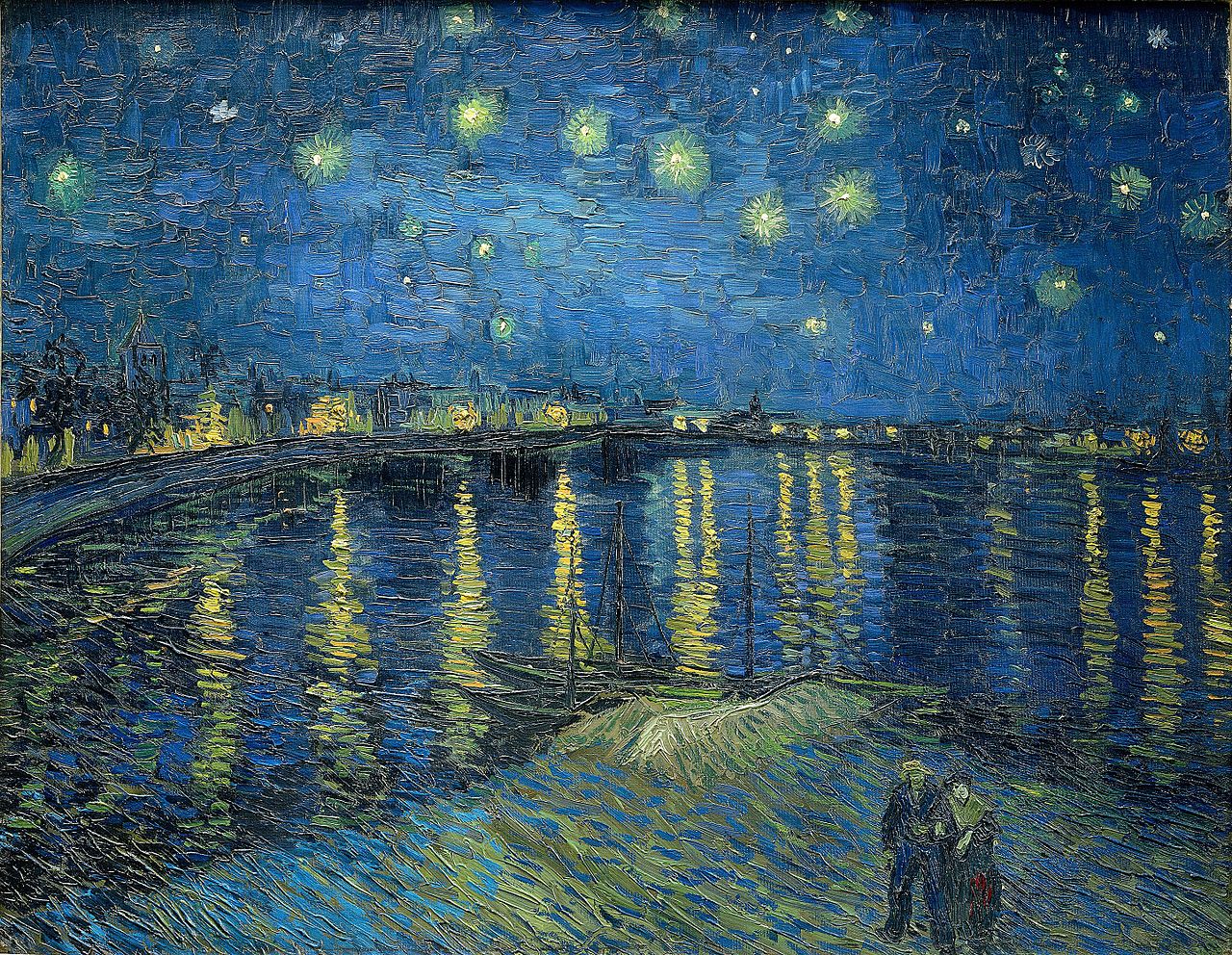
Distinctive features and main stars
The Big Dipper is formed by seven bright stars that outline a bowl and a handle. The two stars at the end of the bowl, Dubhe and Merak, are often called "pointer stars" because a line through them points roughly toward Polaris, the North Star, which aids navigation. Other well-known stars in the group include Alioth, Phecda, Megrez, Mizar and Alkaid. Mizar is famous as an easily split double star: with a small telescope or good eyesight it appears close to the fainter companion Alcor.
Deep-sky objects and stellar groups
Beyond its bright stars, Ursa Major contains several notable deep-sky objects. Galaxies such as Messier 81 and Messier 82 lie in its boundaries and are popular targets for amateur telescopes. Planetary nebulae and fainter galaxies also populate the region. Astronomers have identified a stellar association known as the Ursa Major moving group: a set of stars that share a common motion through space and are thought to have formed together, though most prominent Big Dipper stars are not physically bound to each other.
History, mythology and cultural significance
Stories connected with Ursa Major appear in many cultures. In classical Greek myth the great bear is associated with Callisto, a nymph transformed into a bear and placed among the stars. Other traditions interpret the pattern differently: several Native American groups saw bear figures, Hindu astronomy identifies seven sages (the Saptarishi), and East Asian star lore treats the asterism as a prominent ladle or chariot. Across maritime and land cultures the Big Dipper has served as a practical symbol of north and a mnemonic for orientation.
Observation and visibility
For observers at mid- and high northern latitudes, Ursa Major is visible for most or all of the year and is useful for teaching basic navigation. At lower northern latitudes it rises and sets seasonally. From much of the southern hemisphere the constellation lies low or below the horizon; parts of southern South America, southern Africa, Australia and New Zealand may not have a clear view, or can only glimpse the tip of the asterism when conditions allow.
Further notes and resources
- General constellation overview
- Etymology and name meaning
- Descriptions of the stars
- Cultural interpretations and imagery
- Star patterns and asterisms
- Navigation and the North Star
- Greek myth of Callisto and Arcas
- Visibility in South America
- Visibility in Africa
- Visibility in Australia
- Visibility in New Zealand
Observers interested in Ursa Major can begin with naked-eye identification of the Big Dipper, then progress to binoculars or a small telescope to explore binary stars and nearby galaxies. Many star charts and planetarium programs include overlays that show the boundaries of Ursa Major and highlight its principal objects for each season.
Questions and answers
Q: What is Ursa Major?
A: Ursa Major is a constellation that is visible in the northern and part of the southern hemisphere.
Q: What does the name Ursa Major mean?
A: The name Ursa Major means Great Bear in Latin.
Q: Why was Ursa Major named that?
A: Ursa Major was named that because its stars resemble a bear with a long tail, which many different groups of people around the world have thought.
Q: What is Ursa Major often used as a symbol for?
A: Ursa Major is often used as a symbol for north.
Q: What is the myth behind Ursa Major according to Greek mythology?
A: According to Greek mythology, Ursa Major was once the beautiful maiden Callisto who had an affair with the god Zeus. In order to protect her and their son from his jealous wife, Hera, Zeus turned Callisto and Arcas into bears and threw them into the sky by their short, stubby tails.
Q: Where can Ursa Major not be seen from?
A: Ursa Major cannot be seen from the Southern areas of Patagonia, South Africa, Australia, and all of New Zealand except the Northland region.
Q: What is the significance of Ursa Major in different cultures?
A: Ursa Major has different significances in different cultures around the world, but it is often associated with a bear, a wagon, or a dipper.
Related articles
Author
AlegsaOnline.com Ursa Major: The Great Bear constellation and the Big Dipper Leandro Alegsa
URL: https://en.alegsaonline.com/art/103624