
Uppercut (boxing and combat sports)
An uppercut is a short, rising punch delivered from below to the chin or body. Used in boxing and other striking arts, it emphasises upward hip and leg drive and appears in many tactical combinations.
Overview
The uppercut is a close-range punching technique in striking sports that travels in an upward arc toward an opponent's chin, jaw or torso. Common in traditional boxing and adopted into kickboxing, MMA and self-defence curricula, the uppercut is valued both for its knockout potential and its role in breaking an opponent's guard.
Image gallery
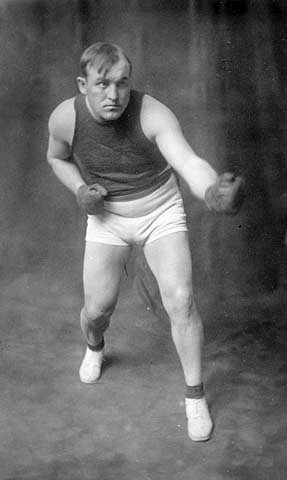
3 Images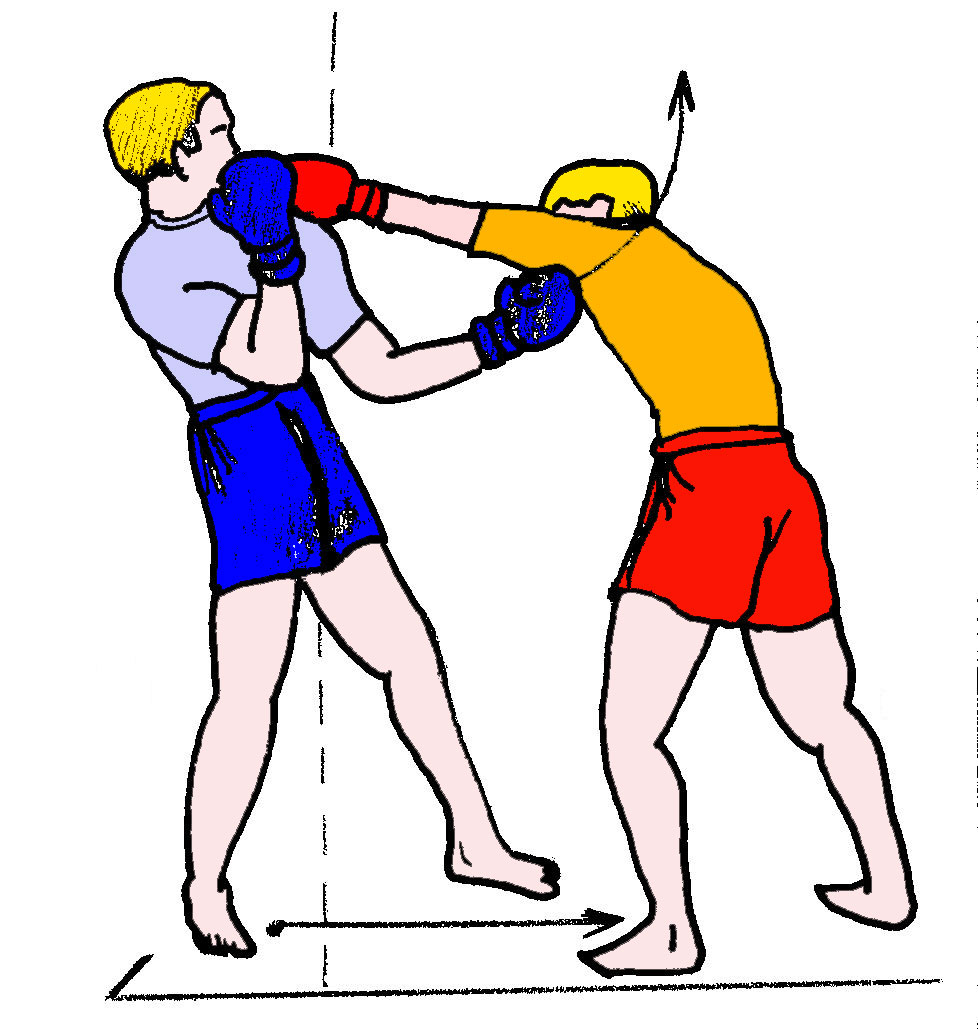

Mechanics and key components
Technically, an effective uppercut depends on body mechanics as much as arm movement. The strike is generated from the legs and hips with a short pull of the shoulder and a slight bend at the elbow. Common elements include:
- Stance and load: weight shifts onto the rear or lead leg depending on the variation.
- Hip and knee drive: upward thrust from lower body creates power more than arm extension alone.
- Compact trajectory: a short, vertical arc reduces exposure and increases speed in close quarters.
- Targeting: chin, jawline and solar plexus are frequent aims depending on setup and opponent posture.
Variations and tactical uses
There are several ways to employ the uppercut. A lead uppercut is thrown with the front hand and is often used to split a guard; a rear uppercut relies on more hip rotation and reaches slightly deeper. Fighters use uppercuts to finish combinations, counter when an opponent leans forward, or create openings by lifting the opponent's head.
Training, drills and common mistakes
Practitioners drill the uppercut on heavy bags, mitts and with partner padwork to coordinate timing, distance and power. Useful drills include step-and-cut combinations, slipping into close range and chaining uppercuts with hooks. Frequent errors are overreaching with the arm, exposing the chin by dropping the non-punching hand, and failing to rotate the hips — all of which reduce effectiveness and increase risk.
Defense, counters and notable facts
Defending an uppercut involves maintaining proper distance, keeping the chin tucked and using angled footwork or a high elbow to block the inward trajectory. Common counters include stepping to the outside with a long straight punch or clinching to neutralize close-range strikes. In German boxing vocabulary the move is often called Kinnhaken, literally a "hook to the chin," though coaches distinguish the uppercut from lateral hooks by trajectory and setup.
History and broader relevance
The uppercut has been part of pugilism for centuries and evolved with gloved boxing and rule changes that favored more technical striking. Beyond sport, its mechanics inform defensive tactics in hand-to-hand training and can appear in cinematic choreography where a visually dramatic upward strike is desirable.
Questions and answers
Q: What is an uppercut in boxing?
A: An uppercut in boxing is a punch that usually aims for an opponent's chin.
Q: What is another name for an uppercut in German?
A: Another name for an uppercut in German is Kinnhaken.
Q: Why is the expression "hook to the chin" not used in technical language?
A: The expression "hook to the chin" is not used in technical language because as a rule one calls a "hook" a punch from the side with the lead hand, and almost always the chin is the target of punches.
Q: How is an uppercut achieved in boxing?
A: An uppercut is achieved by lifting your right or left hand and attempting to hit the opponent's chin.
Q: What part of the opponent's body is usually the target of an uppercut?
A: The opponent's chin is usually the target of an uppercut.
Q: Can an uppercut be thrown with either hand?
A: Yes, an uppercut can be thrown with either the right or left hand.
Q: Is an uppercut a common punch in boxing?
A: Yes, an uppercut is a common punch in boxing.
Author
AlegsaOnline.com Uppercut (boxing and combat sports) Leandro Alegsa
URL: https://en.alegsaonline.com/art/103502