
United States Numbered Highways: history, structure, and significance
Overview of the United States Numbered Highway system: its numbering, history, road types, relationship with the Interstate System, notable routes and cultural importance.
Overview
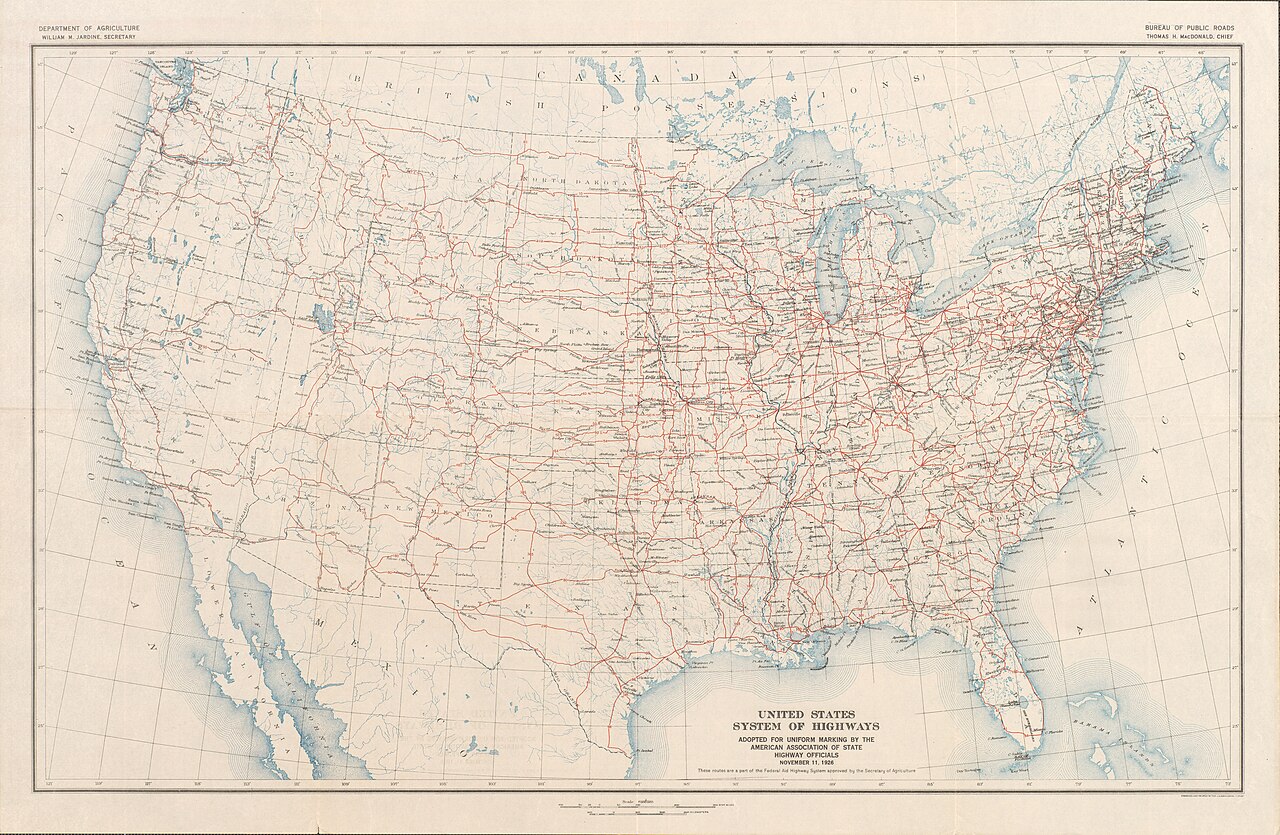
The United States Numbered Highways form a coordinated, nationwide network of roads established to connect cities, towns, and regions across the country. Often called "U.S. Highways," the system predates the Interstate network and includes routes that are entirely rural two-lane roads as well as multi-lane arterials and freeways. For a basic reference to the nationwide framework see this system.
Image gallery
2 Images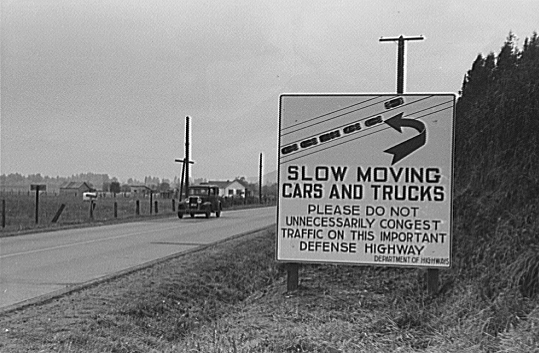
Numbering system and signage
Routes in the system are assigned simple numeric identifiers, typically shown on a distinctive shield-shaped sign. Major east–west routes generally carry even numbers, while north–south routes generally use odd numbers. Lower numbers were originally assigned to principal transcontinental or long-distance corridors. Auxiliary and branch routes appear with three-digit numbers that relate to parent routes. Signs and route markers are standardized in appearance but are installed, maintained and sometimes altered by state or local authorities.
History and development
The U.S. Highway system was created in the 1920s to unify a patchwork of named auto trails into a coherent, numbered network. Over subsequent decades many U.S. Highways were upgraded, realigned or replaced by newer limited-access Interstates. The rise of the Interstate Highway System led to the realignment or decommissioning of dozens of U.S. routes; some famous corridors lost numbered designation even as their alignments remained important. The impact of the Interstate program on U.S. Highways is discussed in relation to the newer system at the Interstate Highway System.
Characteristics, maintenance and roadway types
U.S. Highways are diverse in form. Some segments function as freeways with grade-separated interchanges and controlled access, while many others are conventional surface roads with intersections, driveways, and traffic signals. Maintenance and jurisdiction are generally the responsibility of state transportation departments, which also retain authority to change alignments or redesignate routes. For a simple contrast between freeway and surface-road segments see road type examples.
Uses, examples and cultural importance
Beyond moving people and goods, several U.S. Highways have strong cultural and historical resonance. U.S. Route 66 is the best-known example: it became an icon of cross-country travel, inspiring songs, literature and tourism even after much of it was replaced by Interstates. For more on that route and its legacy see U.S. Route 66. Many other numbered routes also host historic districts, scenic byways, and local economies that rely on through traffic.
Distinctions and notable facts
- U.S. Highways are distinct from state highways, which are signed and numbered by individual states, and from Interstates, which are part of a federally funded, limited-access network.
- Numbering conventions help travelers infer general direction and relationship among routes, but exceptions and historic renumberings exist.
- The system continues to evolve: routes are occasionally extended, truncated, or retired based on changes in traffic patterns and infrastructure investment.
Together, the United States Numbered Highways remain an important layer of the nation's transportation fabric, providing connectivity where Interstates do not reach and preserving many corridors with historical and local significance.
Questions and answers
Q: What is the United States Numbered Highways?
A: The United States Numbered Highways is a national system of roads in the United States.
Q: What do these roads connect to?
A: These roads connect to places across the country.
Q: Are all United States Numbered Highways freeways?
A: No, not all United States Numbered Highways are freeways. Some of them are surface roads.
Q: What are freeways?
A: Freeways are roads where cars must use ramps in order to get on or off the road.
Q: Which U.S. Highway is an example of a famous highway?
A: U.S. Route 66 is a famous highway.
Q: Why have some U.S. Highways had their numbers removed?
A: Some U.S. Highways have had their numbers removed because of the creation of the Interstate Highway System.
Q: What is the Interstate Highway System?
A: The Interstate Highway System is a system of highways in the United States that was created to connect major cities across the country.
Related articles
Author
AlegsaOnline.com United States Numbered Highways: history, structure, and significance Leandro Alegsa
URL: https://en.alegsaonline.com/art/103088
Sources
- gbcnet.com : Route Renumbering