
United Nations High Commissioner for Human Rights
The UN office established in 1993 to promote and protect human rights worldwide, provide monitoring and assistance, support treaty bodies and special procedures, and report on global human rights issues.
Overview
The United Nations High Commissioner for Human Rights is the senior UN official charged with promoting and protecting human rights across the globe. The office, commonly abbreviated as OHCHR, was created in the wake of the Vienna Declaration and formally established in 1993. It acts on behalf of the United Nations system to advance international standards, help states implement their obligations, and give voice to victims and rights-holders.
Image gallery
10 Images


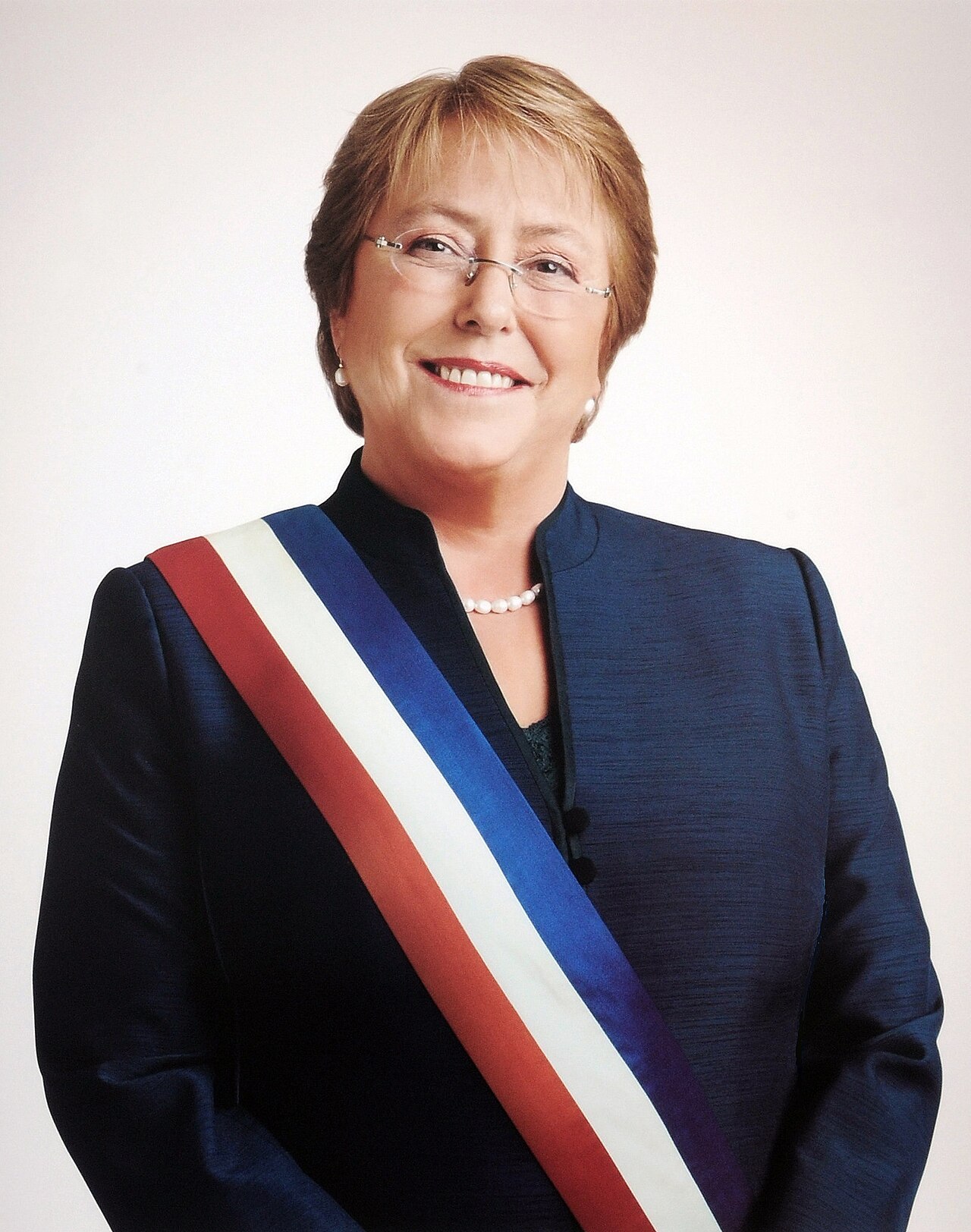


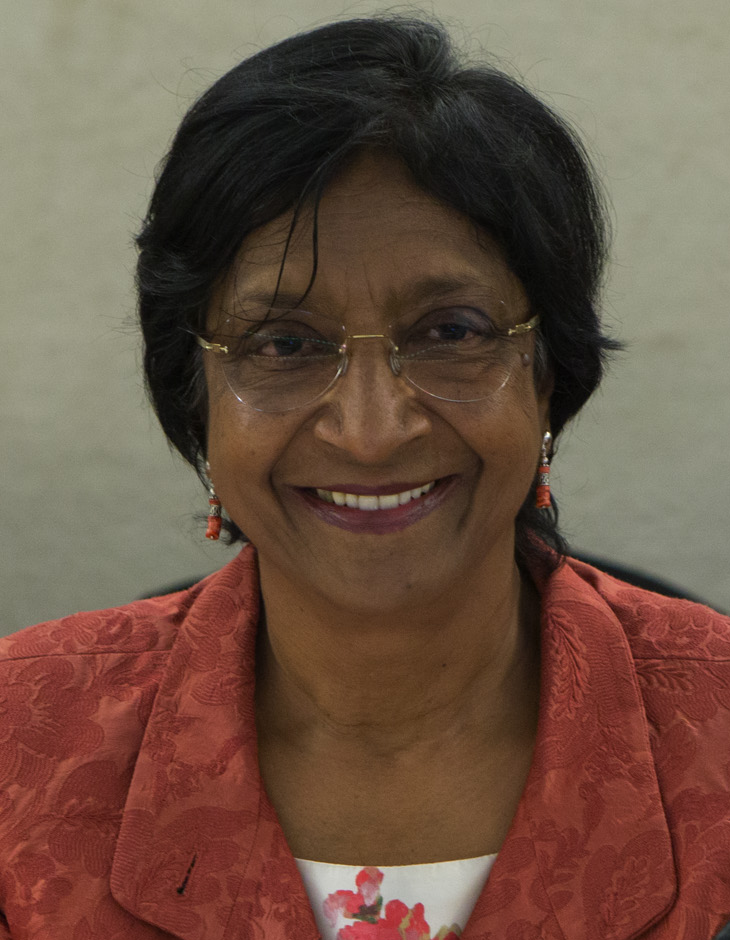

Mandate and primary functions
The High Commissioner’s mandate combines promotion, protection and technical cooperation. Core activities include monitoring human rights developments, advising governments and UN bodies, offering technical assistance and capacity-building, and reporting publicly on violations. The office supports implementation of international treaties and responds to situations that raise concerns about human rights.
Structure and appointment
The High Commissioner heads the Office of the High Commissioner for Human Rights, which is based in Geneva and works through headquarters units, regional offices and country presences. The High Commissioner is appointed by the UN General Assembly on the recommendation of the Secretary-General and is expected to carry out duties impartially and independently of political pressures.
Tools, mechanisms and partners
- Support for treaty-monitoring bodies that oversee state compliance with human rights instruments.
- Coordination of special procedures, including independent experts and special rapporteurs.
- Universal Periodic Review contributions and follow-up on recommendations.
- Technical cooperation, legal advice, training and institution-building in countries.
- Engagement with civil society, national human rights institutions and UN agencies.
History and context
Created in 1993 after renewed international emphasis on human rights, the office was part of broader reforms to strengthen the UN human rights architecture. It operates alongside intergovernmental bodies such as the Human Rights Council and complements other humanitarian and development efforts by bringing a rights-based perspective to UN work.
Challenges and significance
The High Commissioner’s office faces practical and political constraints: limited resources, variable state cooperation, and the challenge of impartial reporting in politically charged contexts. Despite these limits, its monitoring, capacity-building and advocacy remain important tools for preventing abuses, promoting legal reform and supporting victims. The office also addresses issues at the intersection of human rights and armed conflict, including obligations under humanitarian law.
For further detail on institutional mandates, procedures and public reports, see documents and resources maintained by the Office and related UN bodies: UN system overview, Vienna Declaration, and human rights instruments and guidance hosted by treaty bodies and special procedures (general human rights resources, treaty-related material, humanitarian law references).
Questions and answers
Q: What is the United Nations High Commissioner for Human Rights?
A: The United Nations High Commissioner for Human Rights is an office of the United Nations that was created in 1993 according to the Vienna Declaration.
Q: What is the purpose of the United Nations High Commissioner for Human Rights?
A: The purpose of the United Nations High Commissioner for Human Rights is to promote human rights globally and to consider the treaties on human rights and humanitarian laws.
Q: When was the United Nations High Commissioner for Human Rights established?
A: The United Nations High Commissioner for Human Rights was established in 1993 according to the Vienna Declaration.
Q: What is the role of the United Nations High Commissioner for Human Rights?
A: The role of the United Nations High Commissioner for Human Rights is to promote and protect human rights globally and to monitor the implementation of treaties related to human rights and humanitarian laws.
Q: What is the aim of the United Nations High Commissioner for Human Rights?
A: The aim of the United Nations High Commissioner for Human Rights is to promote human rights globally and to ensure that treaties related to human rights and humanitarian laws are adhered to.
Q: How does the United Nations High Commissioner for Human Rights work towards promoting human rights?
A: The United Nations High Commissioner for Human Rights works towards promoting human rights through advocacy, raising awareness, monitoring, and reporting on human rights violations, and providing technical assistance to countries in implementing human rights treaties.
Q: What is the importance of the United Nations High Commissioner for Human Rights?
A: The United Nations High Commissioner for Human Rights is important as it serves as a global authority on human rights and ensures that human rights are respected and protected worldwide.
Related articles
Author
AlegsaOnline.com United Nations High Commissioner for Human Rights Leandro Alegsa
URL: https://en.alegsaonline.com/art/102978