
Undertale
Undertale is an independent role-playing game by Toby Fox that blends turn-based combat, bullet-hell dodging, and player choice to explore themes of morality, mercy, and consequence.
Undertale is an independent role-playing video game created principally by Toby Fox. Players assume the role of a human child who has fallen into the Underground, a vast subterranean realm sealed from the surface by a magical barrier. The narrative follows the child's journey to return to the surface while encountering a cast of monsters; the player’s actions shape relationships, character behavior, and the game’s ultimate outcome. For background on its creator see Toby Fox.
Image gallery
3 Images

Gameplay and mechanics
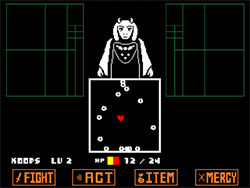
Undertale combines turn-based role-playing conventions with real-time action elements. Encounters present options typical of RPGs—fight, act, item, or show mercy—but many opponents can be spared through nonviolent interaction. Combat sequences shift to a dodge-oriented minigame where the player maneuvers a small icon through patterns of moving projectiles. This hybrid system emphasizes choice: whether to attack, negotiate, or otherwise resolve conflicts affects immediate encounters and larger plotlines.
Key gameplay features include:
- Turn-based decision making augmented by active dodge segments.
- Social mechanics that allow talking, complimenting, or otherwise influencing enemies (often labeled as ACT options).
- Consequences across playthroughs: different endings and character responses depending on how many enemies are killed or spared.
- A strong emphasis on player agency and the emotional weight of choices.
Development and influences
Toby Fox developed the majority of Undertale alone, composing the soundtrack, writing dialogue, and implementing gameplay systems, with a small amount of additional artwork from collaborators. The game’s design reflects inspirations from classic role-playing titles such as the Mother series (EarthBound / Mother) and Mario & Luigi, the bullet-hell shooter tradition exemplified by the Touhou Project, and even offbeat comedic influences like Mr. Bean for certain character beats and absurdist humor. Initially conceived as a much shorter experience, the scope expanded during its three-year development to include richer storytelling and expanded mechanics.
Release and reception
Undertale launched on September 15, 2015 for Microsoft Windows and OS X via digital distribution platforms such as Steam (platform listing). Critics and players widely praised its writing, memorable characters, innovative combat, and soundtrack. Reviewers highlighted the game’s ability to subvert RPG expectations and to make moral choices feel consequential. The title sold over a million copies and received numerous nominations and awards; press outlets frequently included it in year-end lists, and it won honors at events such as South by Southwest, among other recognitions referenced by lists of award contenders (Game of the Year citations).
Legacy and notable aspects
Undertale developed a large, active fan community noted for creative works, speedrunning, and musical appreciation. The soundtrack achieved independent popularity and the game’s characters and phrases entered broader gaming culture. Academically and critically, the title is often cited for its treatment of empathy and consequence, as well as for narrative techniques that break the fourth wall and reward or punish players across multiple playthroughs. Toby Fox later expanded on his ideas with further projects, maintaining interest in the characters and systems first introduced here.
Distinctive among modern indie RPGs, Undertale is remembered for how a modestly produced game can leverage tight design, expressive writing, and a memorable score to challenge players’ expectations about violence and choice in videogames.
Questions and answers
Q: What is Undertale?
A: Undertale is a role-playing video game made by Toby Fox, an independent artist.
Q: What happens in the game?
A: In the game, players control a human child who has fallen into the Underground, a large and out-of-the-way place under a mountain, separated from the rest of the world by a magic wall called the Barrier. The player meets many kinds of monsters as they try to return to the surface, mainly through the fighting system; the player takes turns selecting actions and avoiding attacks made of many bullets, and can choose to befriend or subdue monsters so that they won't get killed. The player's choices change many things in the game, including how characters act, and what kind of story it is.
Q: Who developed almost all of Undertale?
A: Toby Fox developed almost all of Undertale by himself. He wrote all of its words and made its music by himself, only using a few pieces of extra art given to him by other artists.
Q: What inspired Undertale?
A: The game was inspired by the Mother and Mario & Luigi role-playing series, the "bullet hell" shooter series Touhou Project, and British comedy show Mr. Bean.
Q: When was Undertale originally meant to be released?
A: It was originally meant to be two hours long and released in mid-2014 but creating it took over three years so it wasn't available until much later on September 15th 2015 when it was released on Steam for Microsoft Windows and OS X .
Q: How did people respond when it was released?
A: When it was released people praised its writing themes easy-to-learn fighting system music original ideas with praise directed towards its story dialogue characters etc.. It sold over one million copies and received multiple awards nominations including Game Of The Year from various gaming news sources winning others from conventions such as South By Southwest.
Related articles
Author
AlegsaOnline.com Undertale Leandro Alegsa
URL: https://en.alegsaonline.com/art/102817
Sources
- rockpapershotgun.com : "The RPS Advent Calendar, Dec 16th: Undertale" · web.archive.org
- destructoid.com : "Review: Undertale" · webcitation.org
- boingboing.net : "In Undertale, you can choose to kill monsters — or understand them" · webcitation.org
- rockpapershotgun.com : "Conversations With Myself: On Undertale's Universal Appeal" · web.archive.org
- rockpapershotgun.com : "The RPG Scrollbars: Undertale" · webcitation.org
- indiegames.com : "Guilt, Friendship, and Carrot Monsters — Undertale and the Consequences of Easy Violence"
- polygon.com : "UnderTale combines classic RPG gameplay with a pacifist twist" · webcitation.org
- rpgamer.com : "Undertale - Review"