
Umerkot (Umarkot) — town in Sindh, Pakistan
Umerkot is a historic town in Sindh, Pakistan, best known as the birthplace of the Mughal emperor Akbar; it features Umerkot Fort and serves as a cultural and market centre for the surrounding semi‑arid region.
Umerkot (also written Umarkot) is a town and administrative centre in the eastern part of the province of Sindh, in present‑day Pakistan. It is the main settlement of Umerkot District and sits near the transition zone between irrigated plains and the Thar desert. The town is small by urban standards but carries outsized historical and cultural importance in the region.
Image gallery
5 Images
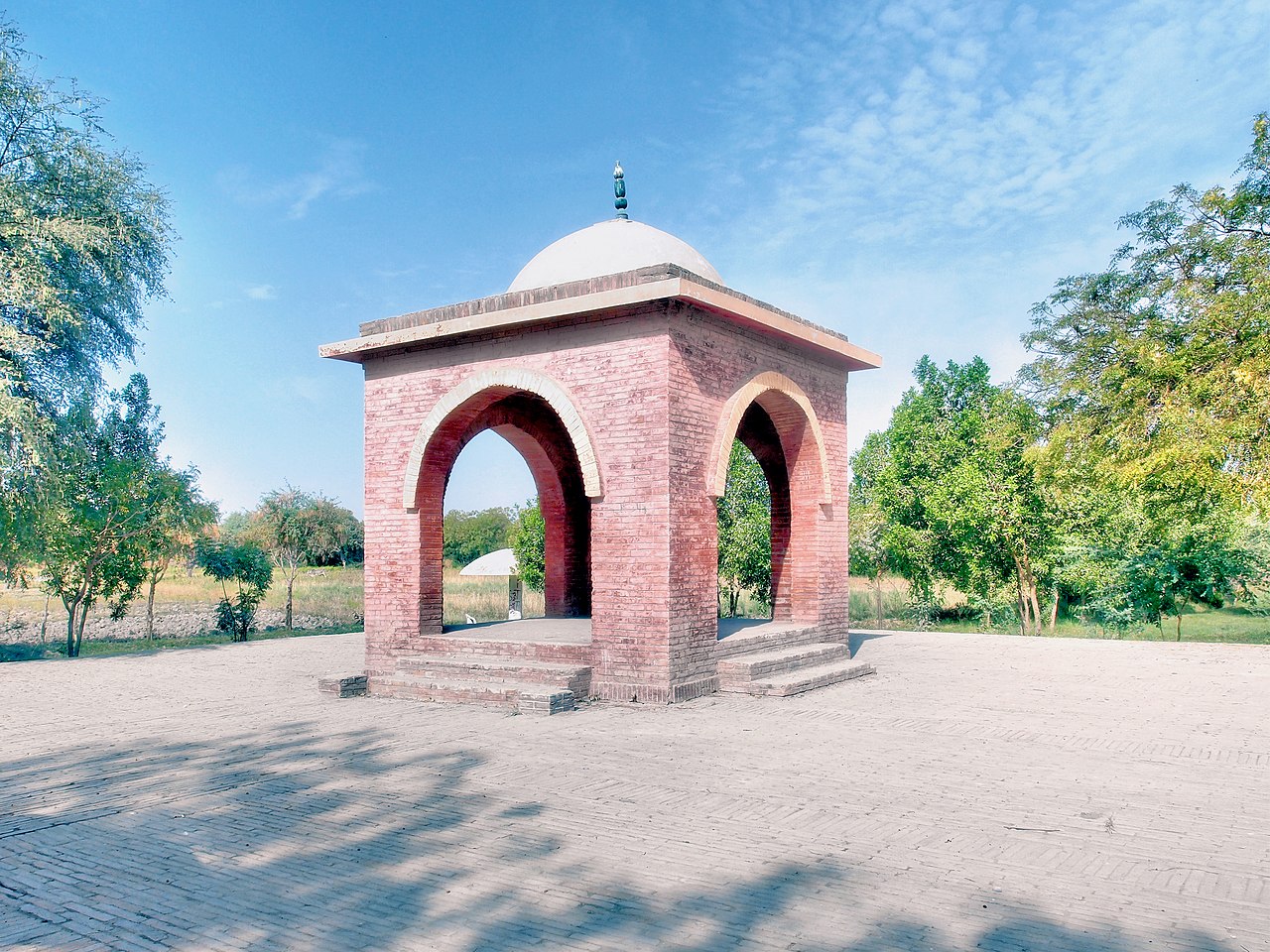


Historical significance
Umerkot is widely remembered because the Mughal emperor Akbar was born there on 14 October 1542. At that time the infant prince was born while his father, the emperor Humayun, was in flight and seeking refuge from the forces of the Afghan ruler Sher Shah Suri. The locality has been populated for many centuries and has changed hands among local rulers, regional dynasties and, later, colonial and modern administrations.
Umerkot Fort and landmarks
The most prominent monument is Umerkot Fort, a fortified complex that preserves elements from several periods and is the traditional site associated with Akbar’s birth. The fort and nearby gates, tombs and shrines attract visitors interested in Mughal history, regional architecture and local traditions. The town centre contains bazaars and civic buildings that reflect its role as a district headquarters.
Geography, climate and economy
Umerkot lies in a semi‑arid zone with hot summers and mild winters. The surrounding district includes stretches of desert as well as cultivated land made productive by irrigation. Agriculture, livestock rearing and small‑scale trade form the backbone of the local economy; weekly markets and periodic fairs draw traders from surrounding villages.
Culture and community
The town supports a mixed cultural life shaped by centuries of Sindhi traditions. Local languages, religious observances and seasonal festivals reflect the diversity of the population. Folk music, handicrafts and market customs remain important in civic life, and communal events at shrines and public spaces are a regular feature.
Transport and accessibility
Umerkot is accessible by road from larger urban centres; it is commonly reached via routes that link it with Karachi and Hyderabad, which serve as regional transport and commercial hubs. Regular bus services and private vehicles connect the town with the provincial network, making it a local administrative and trading centre.
Notable facts and distinctions
- The town is best known internationally as the traditional birthplace of Emperor Akbar.
- Umerkot Fort is the principal heritage site and a focus for tourism in the district.
- Its position near the Thar region gives it a blend of desert and agrarian characteristics.
For readers seeking more detailed historical records, archaeological reports and travel information, consult regional histories and official district sources that document Umerkot’s changing governance, demographic trends and heritage preservation efforts.
Questions and answers
Q: What is Umerkot?
A: Umerkot is a town located in the Umerkot district of the Sindh Province in Pakistan.
Q: Who was born in Umerkot?
A: The great Mughal emperor Akbar the Great was born in Umerkot on October 14th, 1542.
Q: Why did Emperor Humayun flee to Umerkot?
A: Emperor Humayun fled to Umerkot in order to escape from Sher Shah Suri.
Q: What is the tourist attraction in Umerkot?
A: The Umerkot Fort is an excellent artistic tourist spot and it is where Emperor Akbar was born.
Q: Is Umerkot well connected with other cities in Pakistan?
A: Yes, Umerkot is well connected with Karachi and Hyderabad.
Q: When was Emperor Akbar born?
A: Emperor Akbar was born on October 14th, 1542.
Q: What emperor was born in Umerkot?
A: The great Mughal emperor Akbar the Great was born in Umerkot.
Related articles
Author
AlegsaOnline.com Umerkot (Umarkot) — town in Sindh, Pakistan Leandro Alegsa
URL: https://en.alegsaonline.com/art/102749