
Uíge Province, Angola
Uíge is a northwestern province of Angola with a mixed rainforest–savanna landscape, a history shaped by the Kingdom of Kongo and colonial coffee production, and ongoing post‑war reconstruction.
Overview
Uíge is one of Angola's provinces located in the northwestern part of the country. Its administrative capital shares the same name, Uíge. The province is home to a mix of ethnic groups, with Kongo (Bakongo) cultural influence strong across the region. Portuguese is the official language used for administration, while local Bantu languages are widely spoken.
Image gallery
2 Images
Geography and environment
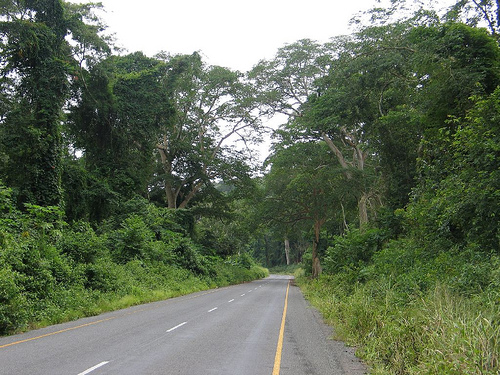
The province occupies a landscape that transitions from moist, tropical forests in lowland areas to patches of savanna and cultivated land. It borders the Democratic Republic of the Congo to the north and has a humid tropical climate with distinct wet and dry seasons. Protected areas such as the Beu Forest Reserve conserve remnants of the region's biodiversity and forest habitats.
History and development
Uíge sits within the historic extent of the precolonial Kingdom of Kongo and later became an area of Portuguese colonial administration. During the 20th century the province emerged as an important center for coffee cultivation. The long Angolan civil war caused significant damage to towns, farms and infrastructure, and large numbers of people were displaced; recovery and reconstruction efforts have continued since the conflict ended.
Economy and society
Agriculture is the mainstay of the provincial economy, with smallholder farming producing staples alongside cash crops such as coffee and cashews where conditions allow. Local markets, informal trade and subsistence farming shape daily life. Social services including health and education have been expanded in recent years, but access remains uneven in rural zones.
Administration and transport
The province is organized into several municipalities and communes with the provincial capital as the administrative hub. Road networks connect major towns, though many secondary roads can be difficult during the rainy season. Investment in basic infrastructure—roads, water and electricity—remains a priority for regional development.
Notable facts and links
- The province is known for its historical ties to the Kongo cultural area and for coffee cultivation during the colonial era.
- Conservation areas such as the Beu Forest Reserve protect local flora and fauna and are focal points for environmental work.
- For lists of Angola's provinces see provinces of Angola, for broader country context see Angola, and for information about the capital city see Uíge.
Questions and answers
Q: How do you pronounce the name of the province?
A: The province is pronounced "Weej"
Q: Where is Uíge Province located?
A: Uíge Province is located in the northwestern part of Angola.
Q: What is the population of Uíge Province?
A: The population of Uíge Province is 500,000 people.
Q: What is the name of the capital city of Uíge Province?
A: The name of the capital city of Uíge Province is Uíge.
Q: What natural reserve can be found in Uíge Province?
A: Beu Forest Reserve can be found in Uíge Province.
Q: What happened to Uíge Province during the civil war?
A: Uíge Province suffered significant damage during the long civil war. Many buildings were destroyed, and many people had to move.
Q: How has Uíge Province been affected by the war?
A: Uíge Province was badly damaged during the long civil war, with many buildings destroyed, and many people forced to move.
Related articles
Author
AlegsaOnline.com Uíge Province, Angola Leandro Alegsa
URL: https://en.alegsaonline.com/art/102605
Sources
- books.google.com : Our precarious habitat?: the sky is not falling
- britannica.com : "Uige"