
UEFA Euro 1988: West Germany hosts a landmark tournament
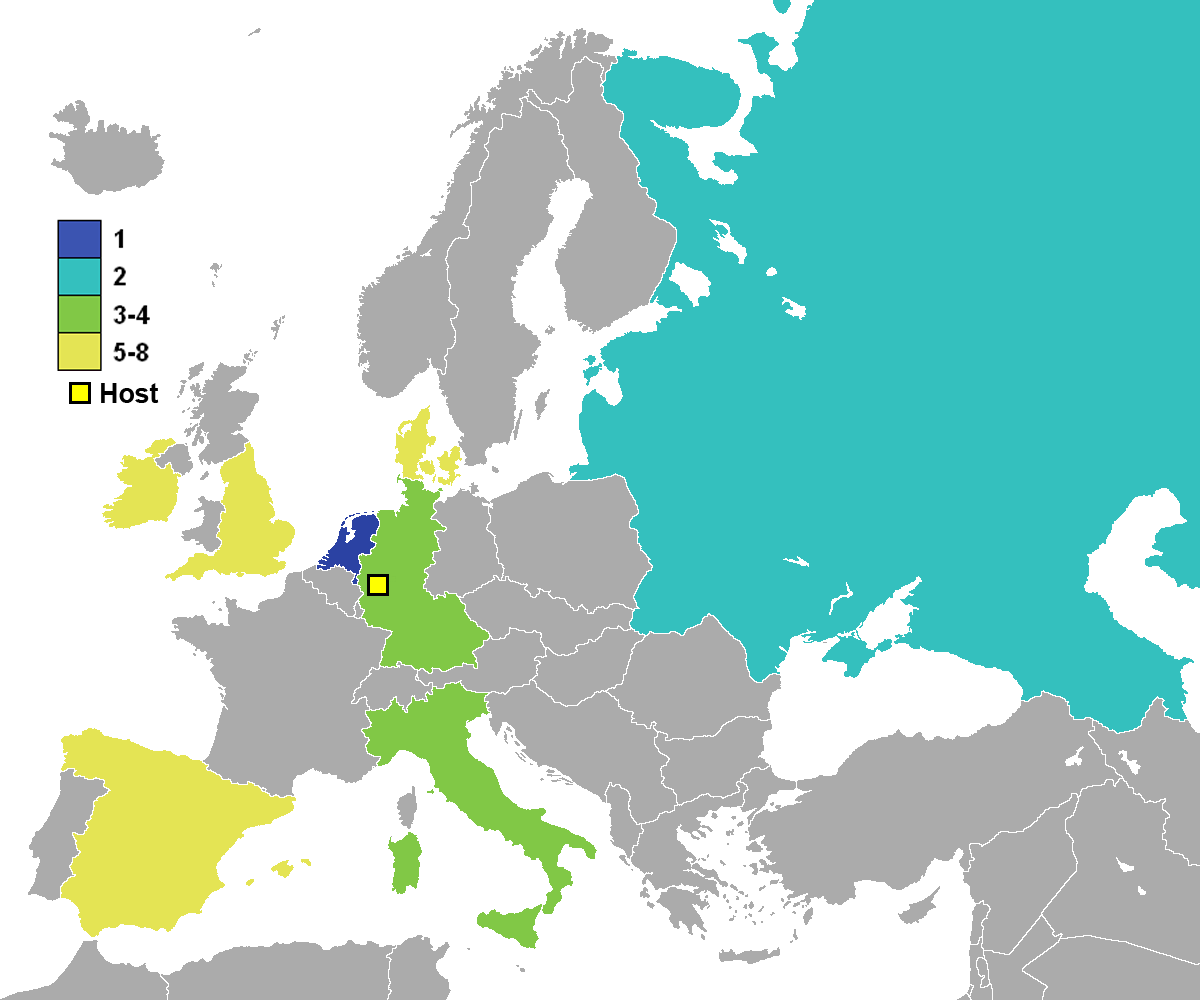
The 1988 UEFA European Championship was held in West Germany from 10–25 June. Eight teams contested the title, won by the Netherlands who defeated the Soviet Union 2–0 in the Munich final.
Overview
The 1988 UEFA European Football Championship took place in West Germany between 10 and 25 June 1988. The tournament was the eighth edition of the continental championship organised by UEFA and followed the familiar cycle of qualification and a compact final tournament. Eight national teams qualified for the finals, which combined a short group stage with knockout semi-finals and a single-match final held in Munich.
Image gallery
10 Images





Format and participants
The finals featured two groups of four teams. Each side played three group matches, with the top two teams from each group advancing to the semi-finals. This format concentrated the competition into a brief but intense schedule of high-stakes matches. Participants included established European powers and rising sides, and the event offered a showcase for several players who were at or near the peak of their international careers.
The final and key moments
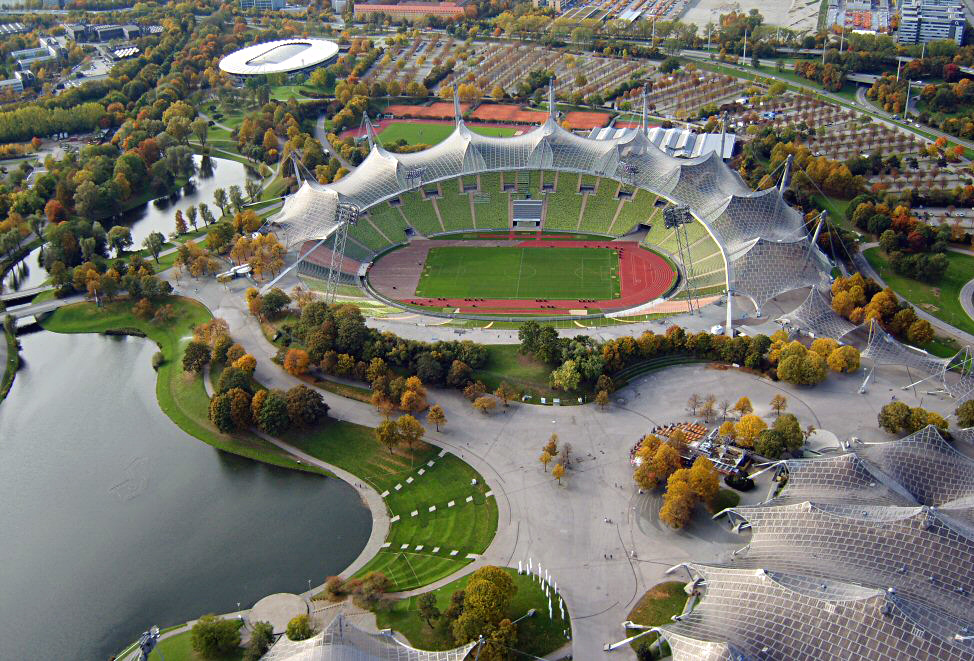
The championship match took place in Munich's Olympiastadion and pitted the Soviet Union against the Netherlands. The Dutch side won 2–0 to claim their first European Championship title. The opener came from Ruud Gullit, and the second — a memorable, perfectly struck volley by Marco van Basten from a very acute angle — sealed the victory and has since been widely celebrated as one of the great goals in international football. The performance by the Netherlands combined disciplined defending and a fluent attacking style that many observers linked to a revival of the Dutch football tradition.
Legacy and significance
Victorious under the guidance of coach Rinus Michels, the Netherlands' triumph marked the country's first major international tournament win and boosted the reputations of several players who would become influential at club and international level. For the Soviet Union, reaching the final was one of their last major footballing achievements before the political changes that followed in the early 1990s. The tournament is often remembered for the high quality of play, the compact and watchable format, and van Basten's volley, which appears frequently in all-time highlights.
Notable facts and context
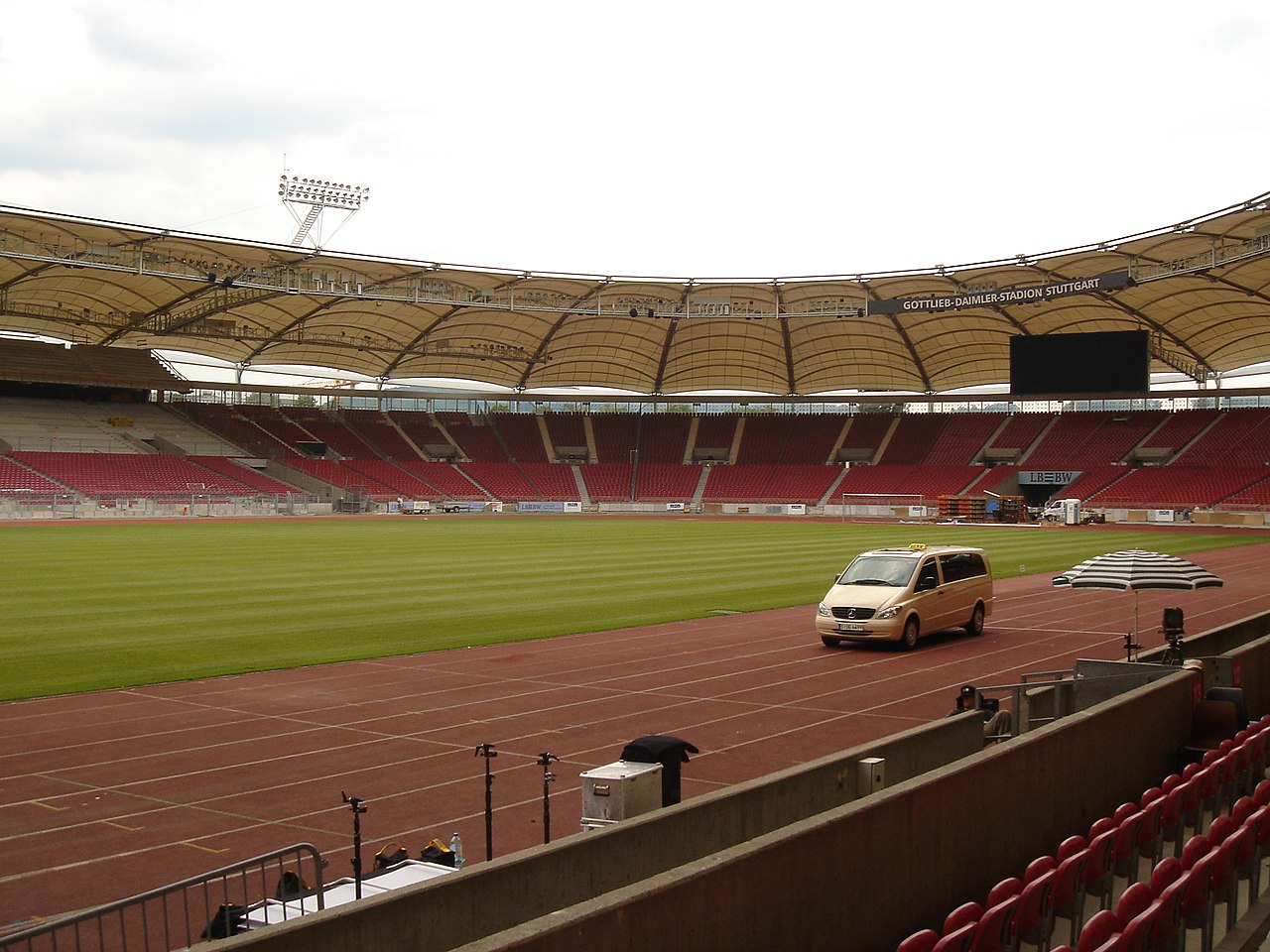
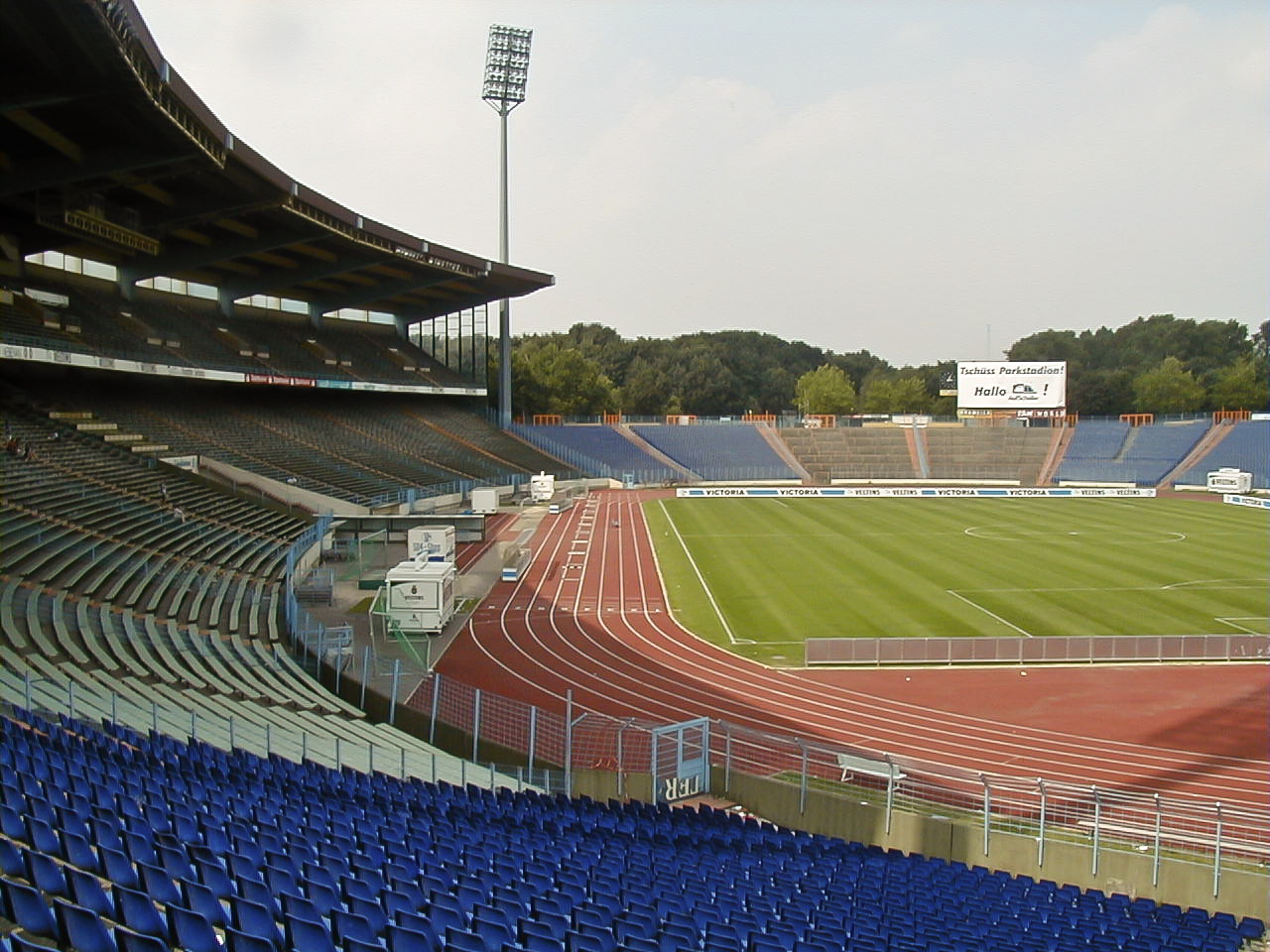
- The finals were staged across several West German venues, with the concluding match in Munich; the host nation itself was among the competitors and enjoyed strong home support (West Germany).
- The event reinforced the European Championship's reputation as a major international competition between World Cups; it showcased players who combined domestic success with international impact.
- For contemporary readers seeking match reports, player lists, and tactical analyses, the tournament is well documented in contemporary archives and retrospective accounts—see general summaries and highlight reels for deeper detail (final match overview and highlights).
Euro 1988 remains a touchstone in European football history: a compact tournament that delivered memorable performances, iconic moments and a first continental title for a generation of Dutch players. Its combination of tournament drama and standout individual plays continues to attract interest from fans and historians alike.
Questions and answers
Q: Where did the 1988 UEFA European Football Championship final tournament take place?
A: The 1988 UEFA European Football Championship final tournament took place in West Germany.
Q: How often is the European Football Championship held?
A: The European Football Championship is held every four years.
Q: How many times has the Netherlands won the European Football Championship?
A: The Netherlands has won the European Football Championship once.
Q: Who played in the final match of the 1988 UEFA European Football Championship?
A: The final match of the 1988 UEFA European Football Championship was played between the Soviet Union and the Netherlands.
Q: When was the final match played?
A: The final match was played on 25 June.
Q: What was the score of the final match?
A: The Netherlands won the match 2-0.
Q: What was the result of the 1988 UEFA European Football Championship?
A: The Netherlands became the European champions for the first and only time in the 1988 UEFA European Football Championship.
Related articles
Author
AlegsaOnline.com UEFA Euro 1988: West Germany hosts a landmark tournament Leandro Alegsa
URL: https://en.alegsaonline.com/art/102531