
UEFA Euro 1980: summary, format, and significance
Overview of the 1980 UEFA European Football Championship held in Italy: format changes, participating teams, key results and historical significance of West Germany’s victory.
The 1980 UEFA European Football Championship, commonly called Euro 1980, was the sixth edition of UEFA's continental national-team competition. Staged in Italy from 11 June to 22 June 1980, the finals brought together eight national sides that had progressed through a separate qualifying phase. The tournament is remembered for a revised final-stage format and for West Germany claiming the title.
Image gallery
6 Images



Format and structure
Euro 1980 introduced a new final-stage layout that departed from previous knockout-heavy editions. The eight qualified teams were divided into two groups of four. Each side played three group matches, and the winners of the two groups advanced directly to the final. The runners-up in each group contested a third-place match. This group-based arrangement emphasized consistent group-stage performance rather than multiple knockout rounds.
Participants and venues
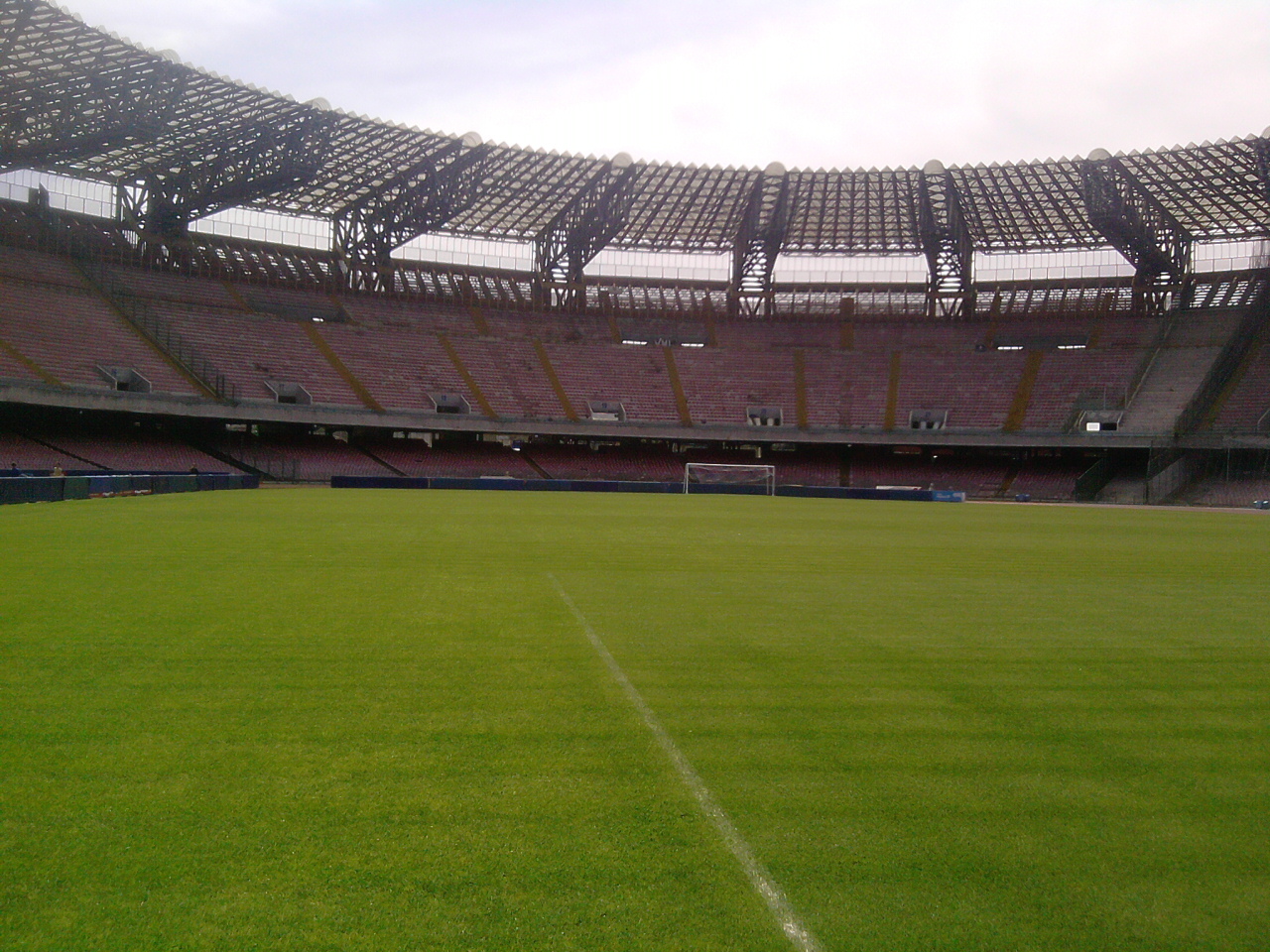
The finals featured eight national teams that had earned qualification through UEFA's earlier rounds. Matches were hosted across several Italian cities, with the culminating match held at Rome's Stadio Olimpico. The tournament showcased a range of European footballing styles and provided a major international stage for players and managers of the era.
Key results and outcome
West Germany emerged as champions, defeating Belgium in the final to lift their second European Championship crown. The defending champions from the previous tournament, Czechoslovakia, participated but were unable to retain the title. Hosts Italy and other participants contributed memorable performances, and the Belgian side achieved a notable run to the final.
Historical context and legacy
Euro 1980 is significant for being the first European Championship to use the two-group final stage format, which shaped tournament planning for that era. It also represents an early modern milestone in the competition’s evolution before the competition later expanded to larger final tournaments. The victory gave West Germany a second continental title, while Belgium secured one of its best finishes in major international play to that date.
Further notes
- Organization and qualification were overseen by UEFA, with national associations competing for final-stage places.
- The tournament format—two groups and a direct final—meant there were fewer knockout rounds than in later editions.
- Euro 1980 influenced subsequent tournament formats and remains a reference point in the competition’s history.
Questions and answers
Q: What was the formal name of UEFA Euro 1980?
A: The formal name of UEFA Euro 1980 was the 1980 UEFA European Football Championship.
Q: When did the tournament take place?
A: The tournament took place from 11 June to 22 June.
Q: Who was the defending champion at UEFA Euro 1980?
A: The defending champion at UEFA Euro 1980 was Czechoslovakia.
Q: Where was the tournament hosted?
A: The tournament was hosted in Italy.
Q: How many teams qualified for the final group stage?
A: 8 teams qualified for the final group stage.
Q: Who won the tournament?
A: Germany won the tournament after defeating Belgium.
Related articles
Author
AlegsaOnline.com UEFA Euro 1980: summary, format, and significance Leandro Alegsa
URL: https://en.alegsaonline.com/art/102530
Sources
- uefa.com : "UEFA EURO 1980 - History"