
UEFA European Championship 1972 (Euro 1972)
Summary of the 1972 UEFA European Football Championship held in Belgium: format, participants, outcomes and significance of the four-team final tournament won by West Germany.
Overview
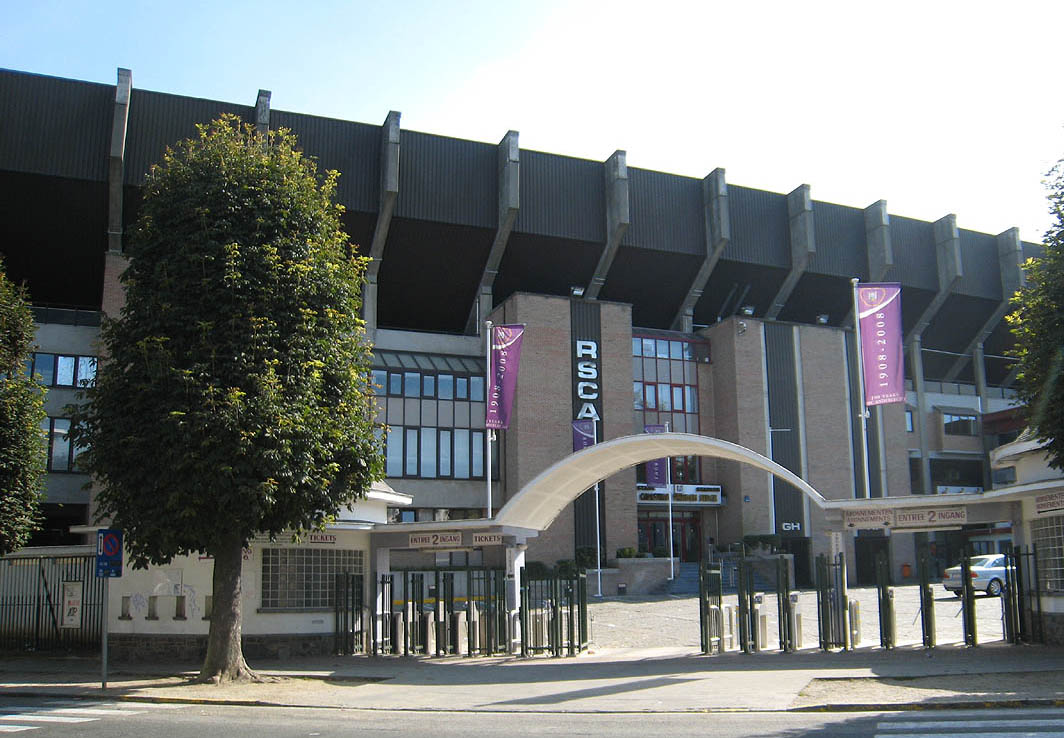
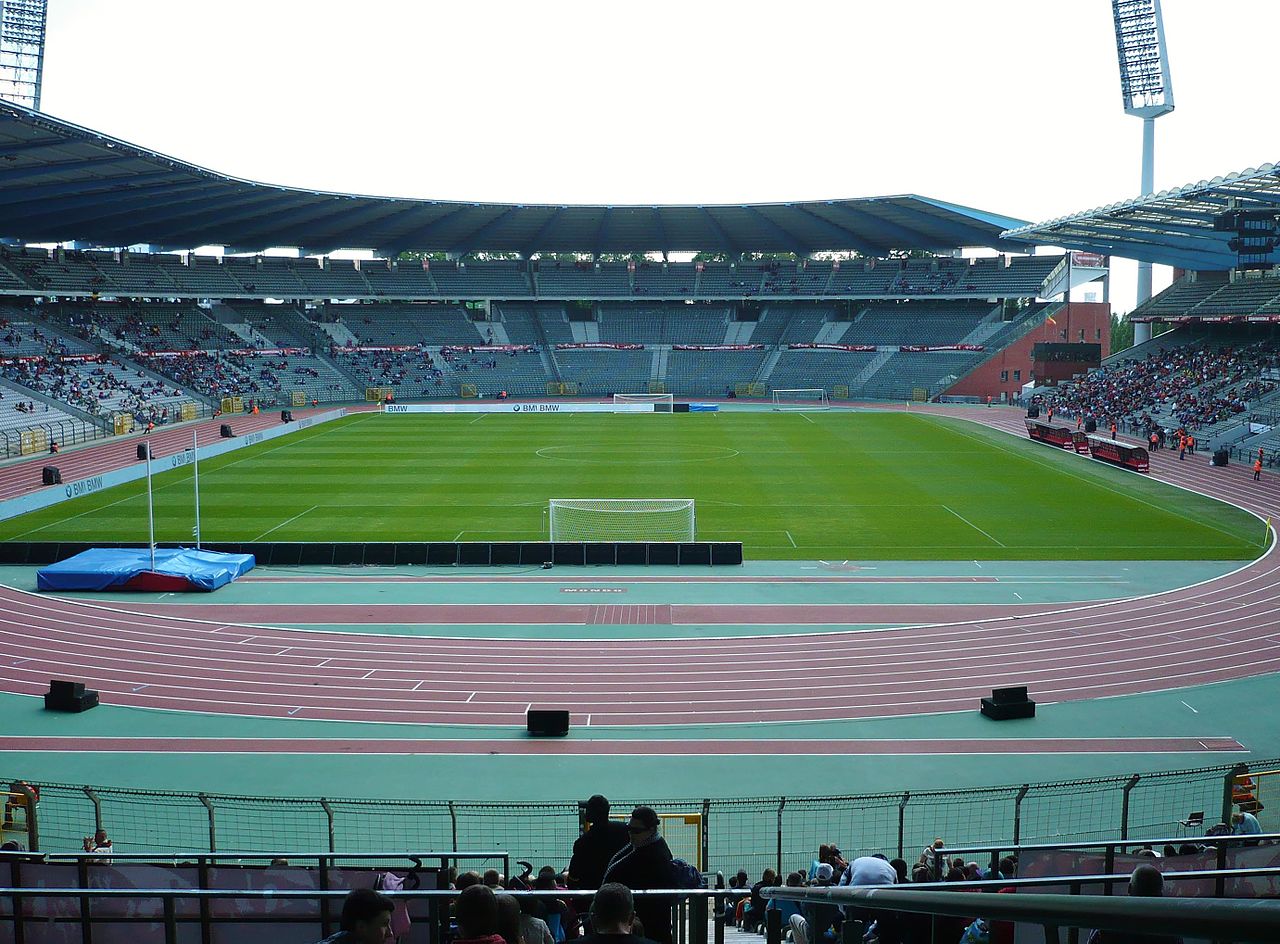
The 1972 UEFA European Football Championship, commonly called Euro 1972, was the fourth edition of UEFA's continental national team competition. The final tournament was staged in Belgium from 14 to 18 June 1972. At the time the competition culminated in a compact final stage featuring only four teams: two semi-finals, a third-place match and the final.
Image gallery
5 Images


Format and qualification
The structure of the championship then differed from modern editions. National teams entered a qualifying phase, and the four winners who emerged from that process advanced to the host stage. Unlike later tournaments, the host country was not predetermined: the host was chosen after qualification, so the selected country had to earn its place at the finals. The reduced final roster made each match decisive and concentrated the event into a brief period.
Final tournament: participants and results
Four teams contested the Belgian finals. West Germany won the tournament, defeating the Soviet Union in the final by a clear margin to claim the continental title. Belgium reached the third-place match and finished on the podium, with Hungary completing the quartet. The tournament featured several players who were prominent in European football at the time and showcased tactical developments that foreshadowed West Germany's continued international success in the early 1970s.
Placings
- Champions: West Germany
- Runners-up: Soviet Union
- Third place: Belgium
- Fourth place: Hungary
Historical context and importance
Euro 1972 confirmed West Germany's emergence as a dominant side in international football. Under the management of a modernizing coaching setup and with leading figures on the pitch, the team combined disciplined defending and efficient attacking play. The tournament also reflected UEFA's evolving competition model: its compact final format and host-selection process were products of an era when the European Championship was still growing in scale and profile. Lessons from these early editions informed later expansions that transformed the championship into the multi-host, multi-team event known today.
Notable aspects and legacy
Though brief, the 1972 finals were influential. The matches drew attention for clear tactical identities and for players who would be remembered in the sport's broader history. Belgium's hosting reinforced the practice of rotating finals among European nations, and the concentrated schedule demonstrated how a short, high-stakes tournament could generate memorable international fixtures. For a concise factual record and match details, see contemporary archives and databases that compile match reports and line-ups from the event.
Questions and answers
Q: Where was the 1972 UEFA European Football Championship final tournament held?
A: The tournament was held in Belgium.
Q: How often is the European Football Championship held?
A: The championship is held every four years.
Q: How many countries played in the final tournament in 1972?
A: Only four countries could play in the final tournament in 1972.
Q: Which matches were played in the final tournament?
A: In the final tournament, there were only the semi-finals, the final and the third place match.
Q: Was it announced beforehand which country would host the final tournament?
A: No, the hosts were only announced after the qualifying round.
Q: Did the hosts automatically qualify for the final stage?
A: No, the hosts had to qualify for the final stage.
Q: How many European Football Championships had been held before the 1972 tournament?
A: The 1972 UEFA European Football Championship final tournament was the fourth European Football Championship.
Related articles
Author
AlegsaOnline.com UEFA European Championship 1972 (Euro 1972) Leandro Alegsa
URL: https://en.alegsaonline.com/art/102528