
Turks and Caicos Islands: geography, history, and contemporary profile
Small British Overseas Territory in the Atlantic/Caribbean composed of two island groups; known for coral reefs, beaches, tourism, and Cockburn Town on Grand Turk.
Overview
The Turks and Caicos Islands form a British Overseas Territory made up of two clusters of low-lying islands and cays. Located in the shallow banks of the Atlantic, they sit within the broader region commonly called the Caribbean Sea. The territory covers about 616.3 square kilometres of land and has long been shaped by its marine environment. The capital, Cockburn Town on Grand Turk, has served as the administrative centre since 1766 and lies roughly 1,042 kilometres east-southeast of Miami.
Image gallery
10 Images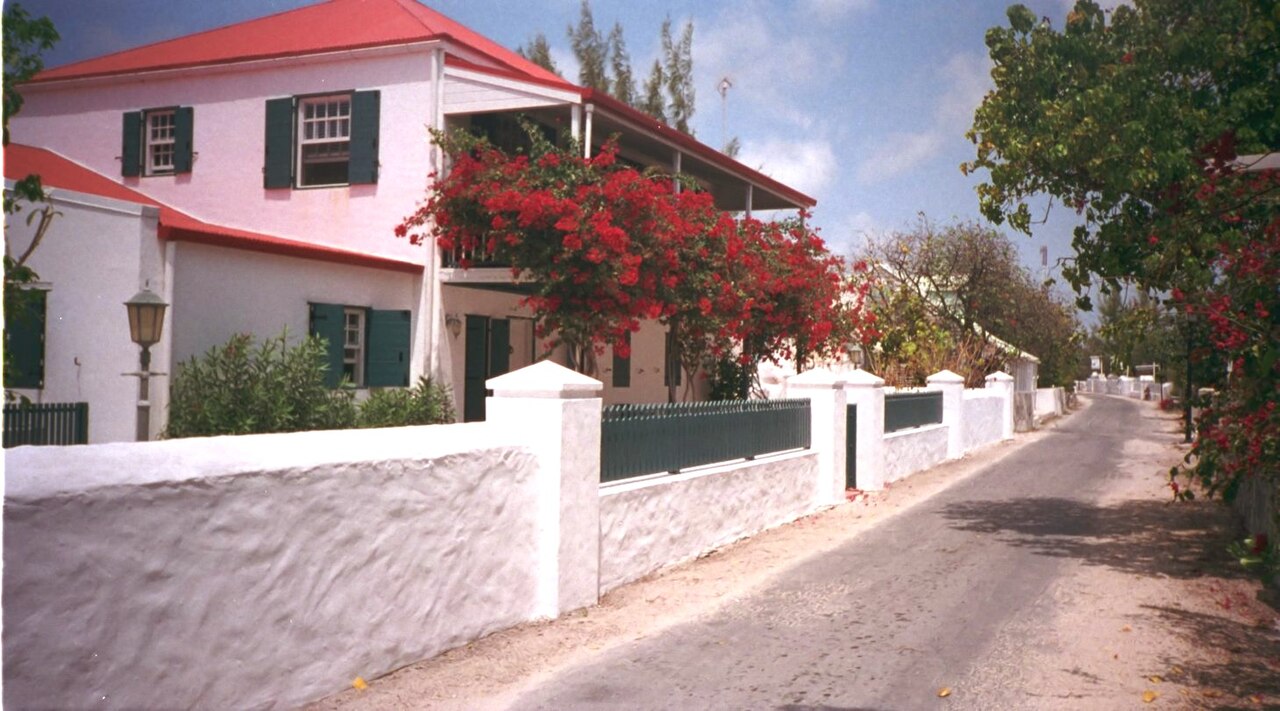


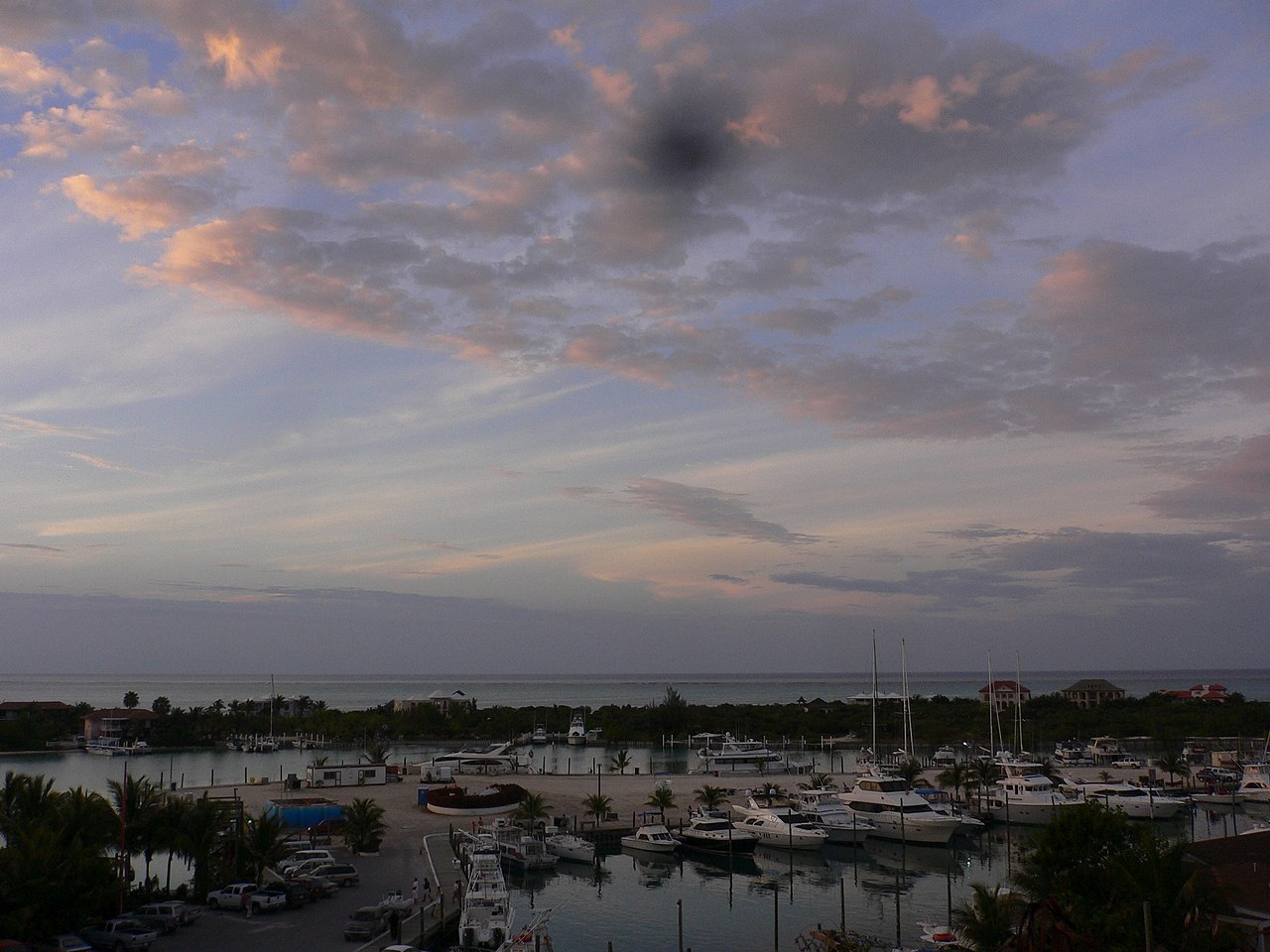


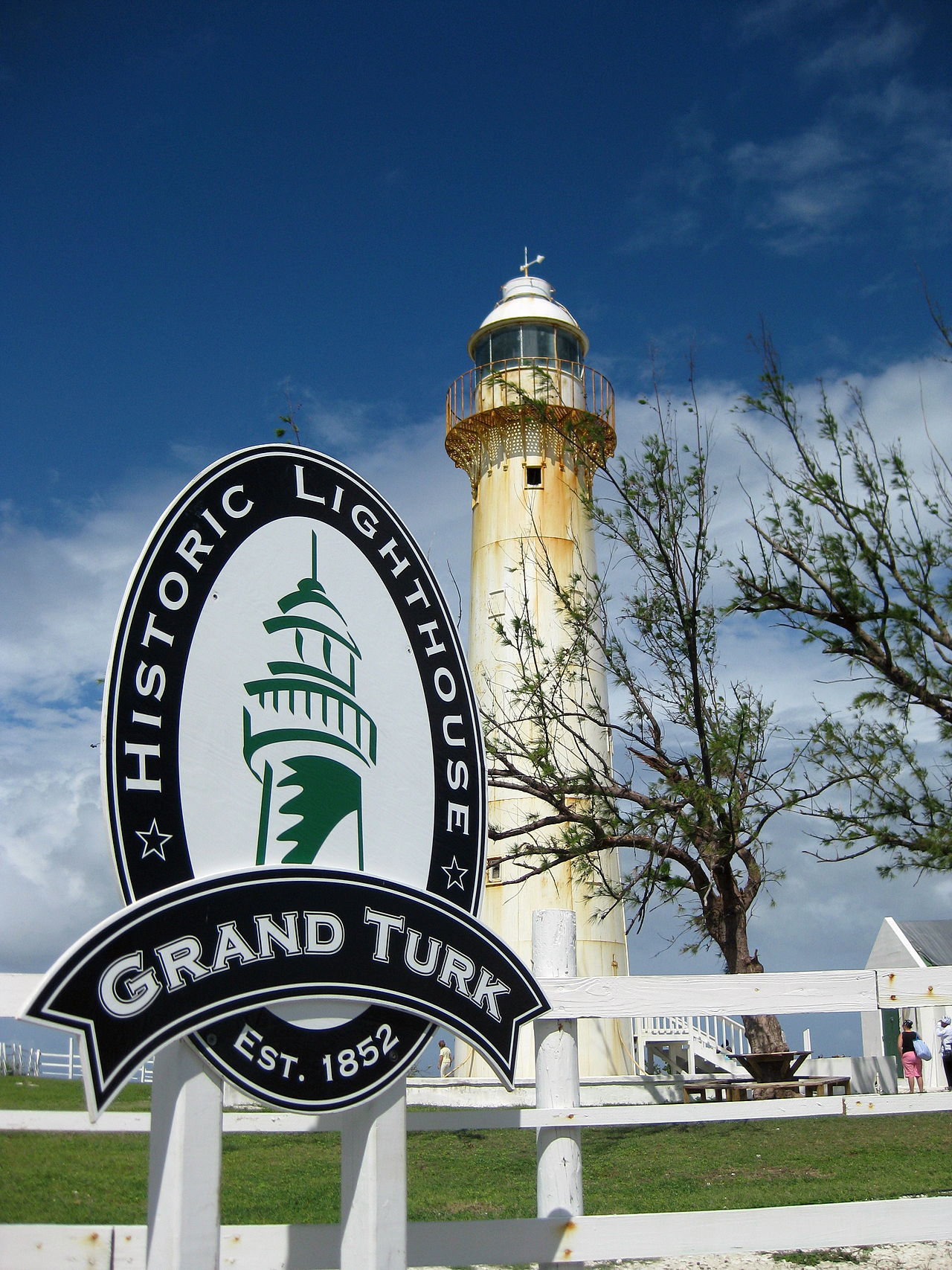

Geography and natural features
The island chain is traditionally described as two groups: the Turks in the east and the Caicos in the west. They are positioned southeast of Mayaguana in the Bahamas and north of the island of Hispaniola. The islands rest on extensive carbonate banks and are rimmed by coral reefs, lagoons and white-sand beaches. Shallow seas, mangroves and seagrass beds support diverse marine life and make the islands a popular destination for diving, snorkeling and bonefishing.
History and governance
European interest in the islands dates to the age of exploration; over time they became associated with salt raking, maritime trade and settlement. Today the Turks and Caicos are a self-governing British Overseas Territory: internal affairs are managed by locally elected institutions while defence and international relations are responsibilities of the United Kingdom. The governor represents the Crown and works with a locally appointed or elected legislature and ministerial government.
Economy and society
Tourism is the dominant economic activity, concentrated on islands such as Providenciales, which host resorts, marinas and an international airport. The clear waters and coral systems attract recreational divers, anglers and beach visitors. Services, banking and real estate are also important. The islands have a multicultural population and a society oriented to maritime livelihoods; visitors will notice culinary and cultural influences from the Caribbean and Atlantic seafaring traditions.
Environment, conservation and risks
Coral reefs, mangrove forests and seagrass meadows are ecological highlights and underpin fisheries and tourism. Parts of the territory have been proposed for greater international recognition: the islands appear on a tentative list for UNESCO consideration as World Heritage Sites because of their natural and marine values. At the same time the low elevation of many cays makes them vulnerable to storms, erosion and sea-level rise, which are central concerns for local planning and conservation efforts.
Notable facts and visiting tips
- Popular activities: scuba diving, snorkeling, bonefishing and boating around barrier reefs and blue holes.
- Key destinations include Providenciales for resorts and Grand Turk for historic Cockburn Town and dive sites.
- Local cuisine features seafood such as conch and other island specialties drawn from Caribbean traditions.
- The islands balance tourism development with ongoing initiatives to protect reefs and coastal habitats.
For more detailed maps, travel planning and governance information consult official and specialist sources that cover Caribbean geography, British Overseas Territories and marine conservation policy.
For geographic orientation, the Turks and Caicos sit among nearby island groups and features referenced here: islands, the Caribbean Sea, Mayaguana, Hispaniola, Cockburn Town, Miami, UNESCO and the designation of World Heritage Sites.
Questions and answers
Q: Where are the Turks and Caicos Islands located?
A: The Turks and Caicos Islands are located in the Caribbean Sea, near the Bahamas.
Q: Which island is the capital of the Turks and Caicos Islands?
A: Cockburn Town, located on Grand Turk Island, has been the capital since 1766.
Q: How far is Miami from the Turks and Caicos Islands?
A: Miami is approximately 1,042 kilometres (647 mi) east-southeast of the Turks and Caicos Islands.
Q: What is the total land area of the Turks and Caicos Islands?
A: The total land area of the Turks and Caicos Islands is 616.3 square kilometres (238.0 sq mi).
Q: What is the tentative status of the Turks and Caicos Islands?
A: The Turks and Caicos Islands are on a tentative list of UNESCO World Heritage Sites.
Q: Which islands are located north of the Turks and Caicos Islands?
A: The island of Hispaniola is located north of the Turks and Caicos Islands.
Q: Which island is southeast of the Turks and Caicos Islands?
A: The island of Mayaguana in the Bahamas island chain is southeast of the Turks and Caicos Islands.
Tags
Related articles
Author
AlegsaOnline.com Turks and Caicos Islands: geography, history, and contemporary profile Leandro Alegsa
URL: https://en.alegsaonline.com/art/102120
Sources
- nationalanthems.info : "Turks and Caicos Islands –"
- sppdtci.com : "Census Figures from Turks and Caicos Strategic Planning and Policy Department Website"
- cia.gov : "Turks and Caicos Islands"
- unstats.un.org : "Demographic Yearbook 2011"
- britannica.com : "Turks and Caicos Islands"
- depstc.org : "TCI Physical characteristics"
- whc.unesco.org : "Turks and Caicos Islands"
- spaceflight.nasa.gov : "STS-100 Shuttle Mission Imagery"
- ethnologue.com : "Languages of Turks and Caicos Islands"
- ethnologue.com : "Turks and Caicos Creole English"