
Turkish State Cemetery — national memorial park in Ankara
National cemetery and commemorative park in Ankara established to honor senior Turkish statesmen and military leaders; opened in 1988 and intended as a focal site for state burials and ceremonies.
Overview
The Turkish State Cemetery is the national cemetery and a commemorative park in Ankara, created to provide a central place of honor for senior statesmen, high-ranking military officers and other public figures recognized by the state. It was established by formal government action and opened in 1988. The site functions both as a burial ground and a landscaped memorial area intended for public visitation and official ceremony. Visitors can consult maps and precise coordinates at the local reference map and coordinates.
Image gallery
10 Images
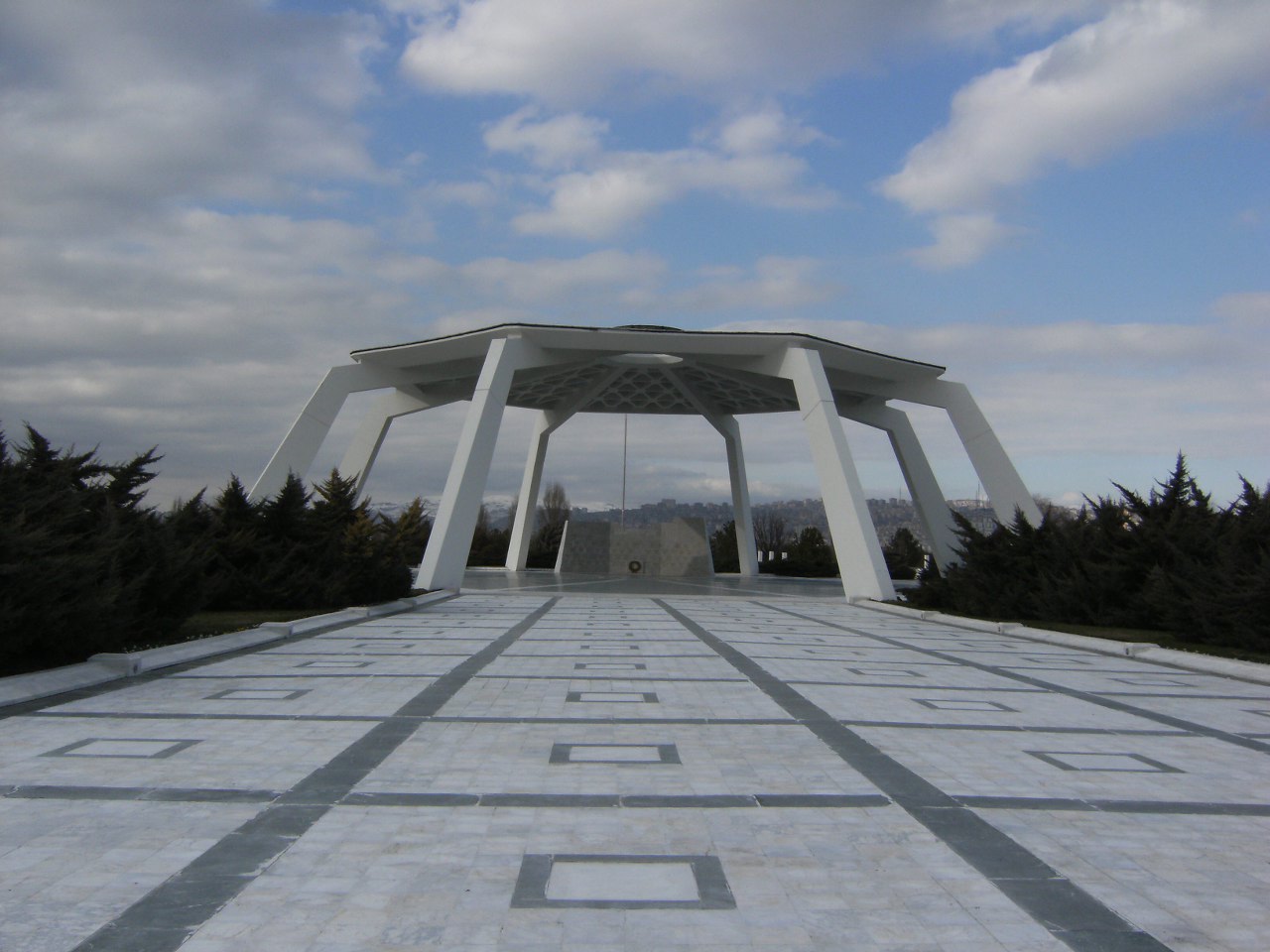


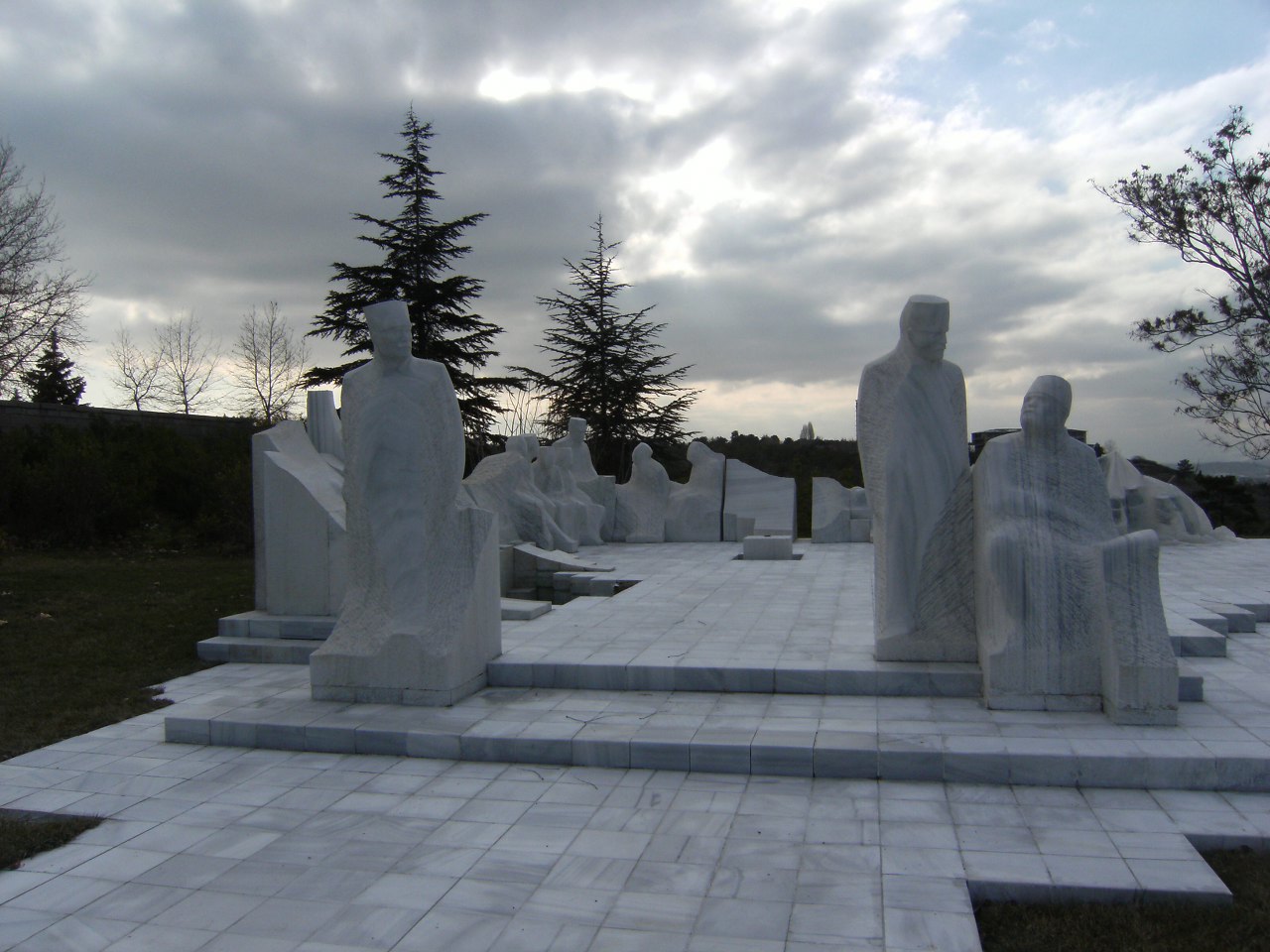


Design, layout and characteristics
The cemetery is laid out as a managed park with formal avenues, individual graves, grouped military plots and symbolic monuments. Hard landscaping and planted areas combine to create a sequence of spaces that separate ceremonial zones from quieter, reflective areas. Headstones, plaques and sculptural elements identify rank, office or the contribution of those interred, while paved paths and information panels guide visitors through the site. The overall character emphasizes civic dignity and the modern republican identity of Turkey.
History and legal foundation
The creation of a national cemetery in Ankara followed a government decision to consolidate state burials and to provide an institutional location for official remembrance. Legislation and administrative regulations set out the criteria for interment, transfers of remains and the management of the grounds; such background material and official provisions are available through government references and legal sources legal and institutional information. Opening in 1988, the cemetery received reinterments of military personnel and public servants whose remains had been moved to establish a coherent national memorial.
Functions, ceremonies and public role
- Site for state funerals and official reburials of senior figures.
- Venue for commemorative ceremonies on national anniversaries such as Republic Day and Victory Day, and for wreath-laying by officials.
- Public education through guided visits, school groups and interpretive displays that explain twentieth-century state history.
While the cemetery complements Anıtkabir—the mausoleum of Mustafa Kemal Atatürk—its role is distinct: where Anıtkabir focuses on the founder of the republic, the State Cemetery recognizes a broader range of leaders and military heroes who shaped the modern Turkish state.
Visiting, records and administration
The site is administered according to national protocols for interment and public access; it is generally open to visitors and used for official ceremonies. Practical information about visiting hours, access and services is provided by local authorities and visitor pages visitor information. Listings of those interred and archival records can be consulted through official registers and commemorative publications further details and records. Researchers and the public seeking more detailed listings or historical accounts may consult national archives and published studies for authoritative information.
Questions and answers
Q: What are the coordinates of the Turkish State Cemetery?
A: The coordinates of the Turkish State Cemetery are 39°56′13″N 32°48′26″E.
Q: Where is the Turkish State Cemetery located?
A: The Turkish State Cemetery is located in Ankara, the capital of Turkey.
Q: Why was the national cemetery in Turkey created?
A: The Turkish government made a law to create a national cemetery in a historic memorial park.
Q: When was the Turkish State Cemetery opened?
A: The Turkish State Cemetery was opened in 1988.
Q: Whose bodies were moved to the national cemetery in Turkey?
A: The bodies of Turkish soldiers and some members of the Turkish government who had died were moved to the national cemetery in Turkey.
Q: Is the Turkish State Cemetery a national cemetery?
A: Yes, the Turkish State Cemetery is the national cemetery of Turkey.
Q: What is the significance of the Turkish State Cemetery?
A: The Turkish State Cemetery is a historic memorial park where the bodies of Turkish soldiers and some members of the Turkish government who had died were moved.
Related articles
Author
AlegsaOnline.com Turkish State Cemetery — national memorial park in Ankara Leandro Alegsa
URL: https://en.alegsaonline.com/art/102108