
Turkish diaspora: communities, history, and transnational connections
Overview of Turkish communities living outside Turkey, their history, distribution, social roles, and distinctions between political emigrants and longstanding ethnic Turkish minorities.
The Turkish diaspora refers to people of Turkish descent who live outside the Republic of Turkey and to related ethnic Turkish groups in other countries. These communities are diverse in origin, migration history and legal status: they include recent economic migrants, descendants of 20th‑century guest workers, political exiles and older ethnic Turkish minorities who remained in places that were once part of the Ottoman world.
Image gallery
10 Images


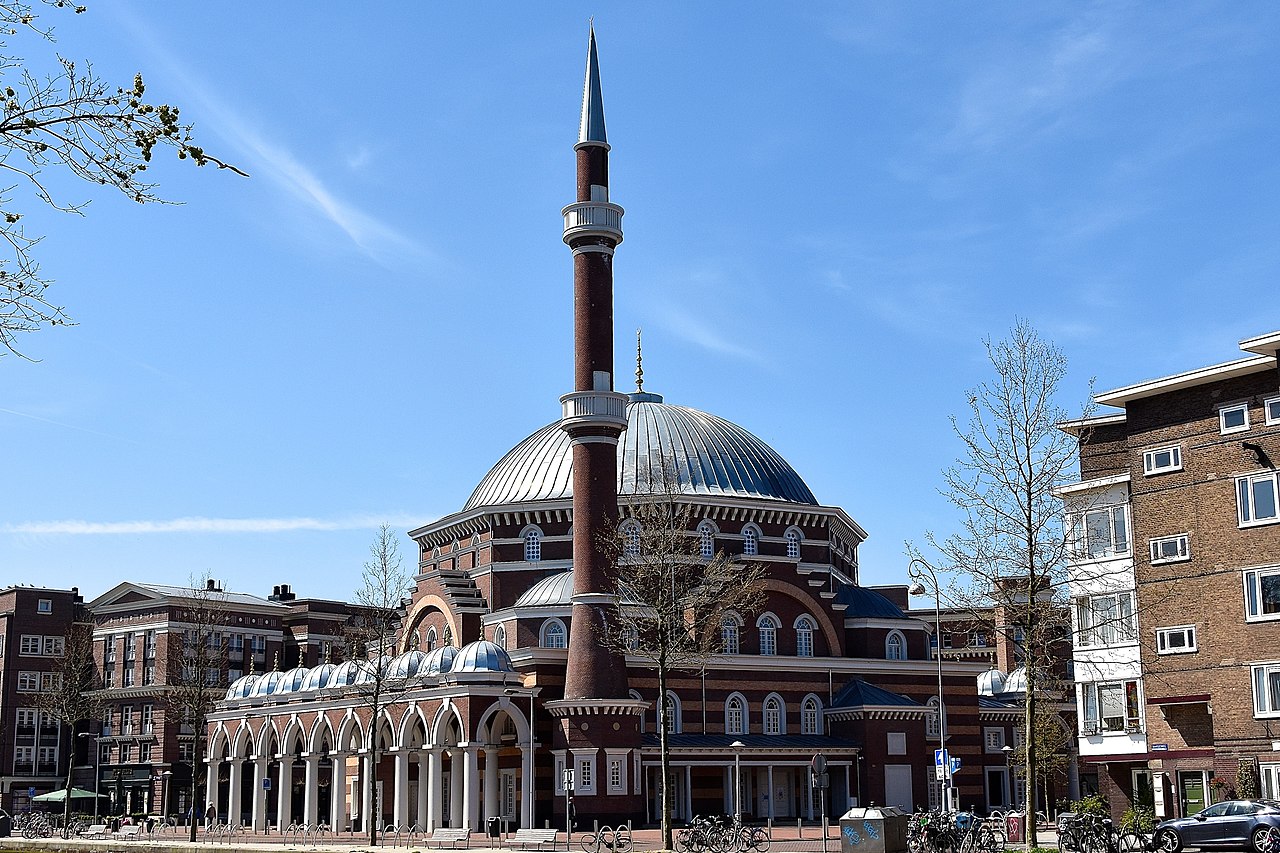


Where Turkish communities are concentrated
Significant Turkish populations exist across Europe, North America, the Middle East and Oceania. In Europe, several countries host well‑established communities formed by labor migration and family reunification from the 1960s onward. Notable destinations include:
- Germany — often cited as having the largest community of people with Turkish roots outside Turkey;
- France — home to long‑standing immigrant communities engaged in commerce, industry and culture;
- The Netherlands — another centre of Turkish settlement with active civic and cultural institutions.
Smaller but active communities are found in Austria, Belgium, the United Kingdom, the United States, Canada and Australia, along with Turkish or Turkic minorities in parts of the Middle East and Central Asia.
Historical development
Migration to Western Europe accelerated after bilateral labor agreements in the 1960s that brought guest workers to rebuild post‑war economies. Later waves included family reunification, educational migration and asylum seekers following political upheavals. In parallel, ethnic Turkish groups such as Turkish Cypriots, Bulgarian Turks and Iraqi Turkmen represent older or regional minority presences with distinct historical trajectories predating modern migration to the West.
Social, economic and cultural roles
Turkish diaspora communities have established religious, educational and media institutions, including mosques, cultural centres, language schools and newspapers. They contribute to host economies as entrepreneurs, workers and professionals and maintain transnational ties through remittances, visits, dual citizenship and participation in homeland politics, such as voting from abroad. Second and third generations often navigate bilingual identities, blending cultural practices from both host countries and Turkish heritage.
Integration, identity and political significance
Experiences of integration vary widely by country and over time. Common issues include language acquisition, education and labor market access, as well as discrimination and debates over multicultural policy. Diaspora communities can influence bilateral relations; diasporic organizations, advocacy groups and diaspora media play a role in shaping public debate both in host societies and in Turkey.
Distinctions and notable facts
It is important to distinguish between the Turkish diaspora as migrants and descendants of migrants and indigenous Turkish or Turkic minorities with long regional histories. The diaspora is not monolithic: it spans secular and religious identities, a range of political views and varied socioeconomic profiles. For further general context see resources and country profiles that detail migration histories, legal frameworks and census data for Turkish communities in particular nations.
Overall, the Turkish diaspora is a global, multifaceted phenomenon linking diverse populations through language, culture, commerce and ongoing social and political ties to their places of origin and settlement.
Questions and answers
Q: What is the Turkish diaspora?
A: The Turkish diaspora refers to the Turkish communities living outside of Turkey.
Q: How many Turkish people are estimated to be in total?
A: There are an estimated 90 million Turkish people in total.
Q: How many Turkish people are living in Turkey?
A: There are 76 million Turkish people living in Turkey.
Q: In which countries has the Turkish diaspora established large communities?
A: The Turkish diaspora has established large communities in Europe, particularly in Germany, France, and the Netherlands, as well as in North America and Australia.
Q: What is the purpose of the term "Turkish diaspora"?
A: The term "Turkish diaspora" is used to identify and describe Turkish people living outside of their homeland.
Q: What does "diaspora" mean?
A: Diaspora is a term used to refer to a scattered population whose origin lies in a separate geographic location.
Q: How important is the Turkish diaspora to Turkish culture and economy?
A: The Turkish diaspora plays a significant role in the cultural and economic exchanges between Turkey and the countries where Turkish communities are established. The diaspora also contributes to Turkey's economy through remittances sent back to the country.
Related articles
Author
AlegsaOnline.com Turkish diaspora: communities, history, and transnational connections Leandro Alegsa
URL: https://en.alegsaonline.com/art/102104
Sources
- cia.gov : "The World Factbook; Turkey"
- countrystudies.us : Turks