
Turkish alphabet
A 29-letter Latin-based writing system for Turkish, adopted in 1928; features eight vowels, diacritics (Ç, Ğ, Ö, Ş, Ü) and the distinctive dotted/dotless I pair.
Overview
The Turkish alphabet is the standard script used to write the modern Turkish language. It is a Latin-based alphabet adapted to represent Turkish phonology and orthography precisely. The modern form contains 29 letters and is used for education, publishing and official communication in Turkey. For general references see Turkish alphabet.
Image gallery
4 Images

Letters and basic characteristics
The alphabet includes eight vowels and twenty-one consonants. Vowels play a central role in Turkish phonology and in the language's system of vowel harmony, which affects suffixes and word formation. The alphabet adds several letters with diacritics to represent sounds not found in standard English.
- Vowels (8): A, E, I, İ, O, Ö, U, Ü
- Consonants (21): B, C, Ç, D, F, G, Ğ, H, J, K, L, M, N, P, R, S, Ş, T, V, Y, Z
Notable items include Ç / ç (a voiceless postalveolar affricate), Ş / ş (a voiceless postalveolar fricative), Ö / ö and Ü / ü (front rounded vowels), and Ğ / ğ (the soft g, which lengthens the preceding vowel or palatalises depending on context).
Distinctive orthographic facts
Turkish distinguishes dotted and dotless forms of the letter I: uppercase of "i" is "İ" (with dot) and lowercase of "I" is "ı" (without dot). This distinction affects capitalization and computer processing. The alphabet does not include the English letters Q, W and X; these appear only in foreign names or loanwords and are generally treated as nonstandard in Turkish orthography, see absent letters.
History and reform
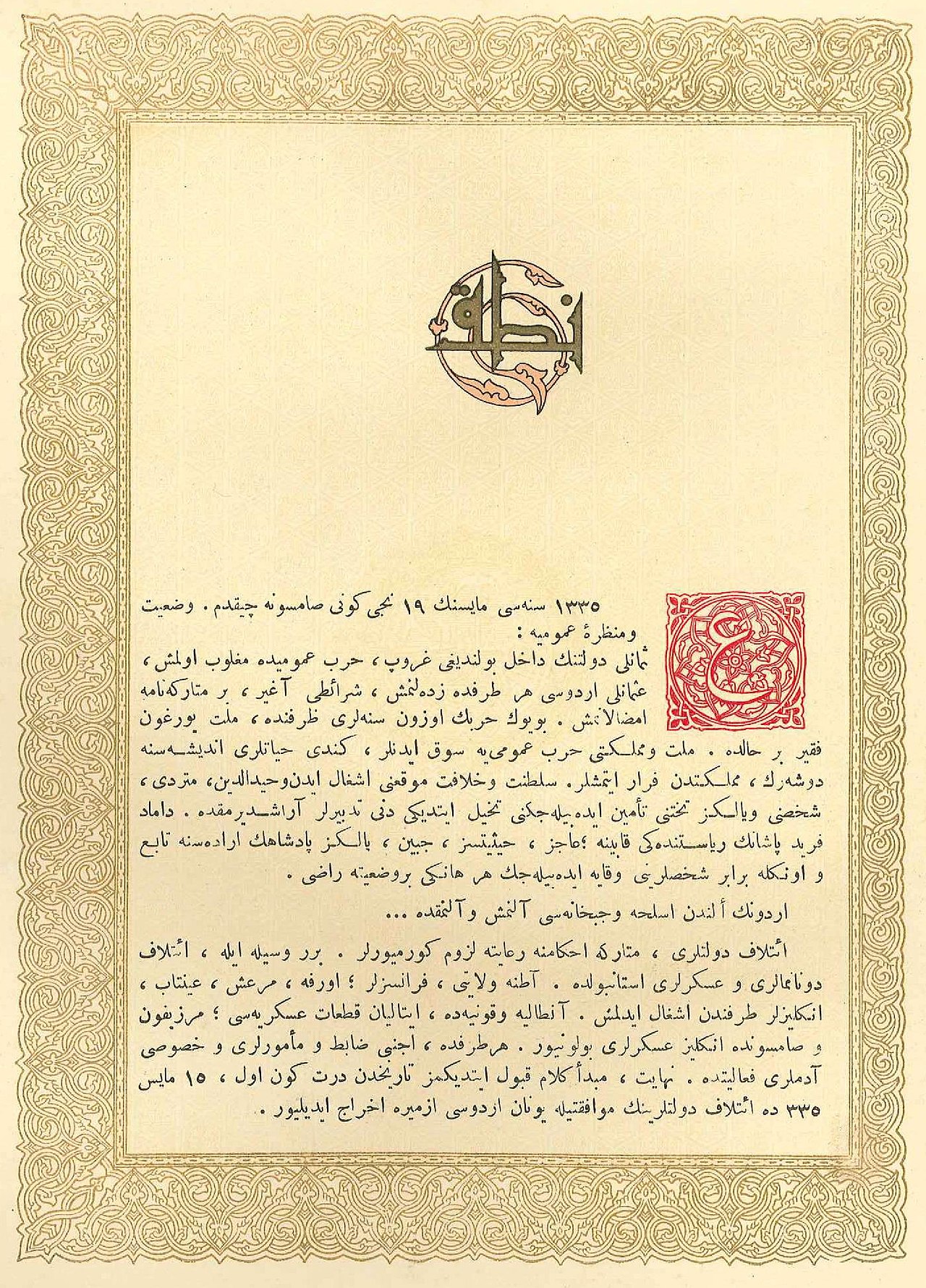
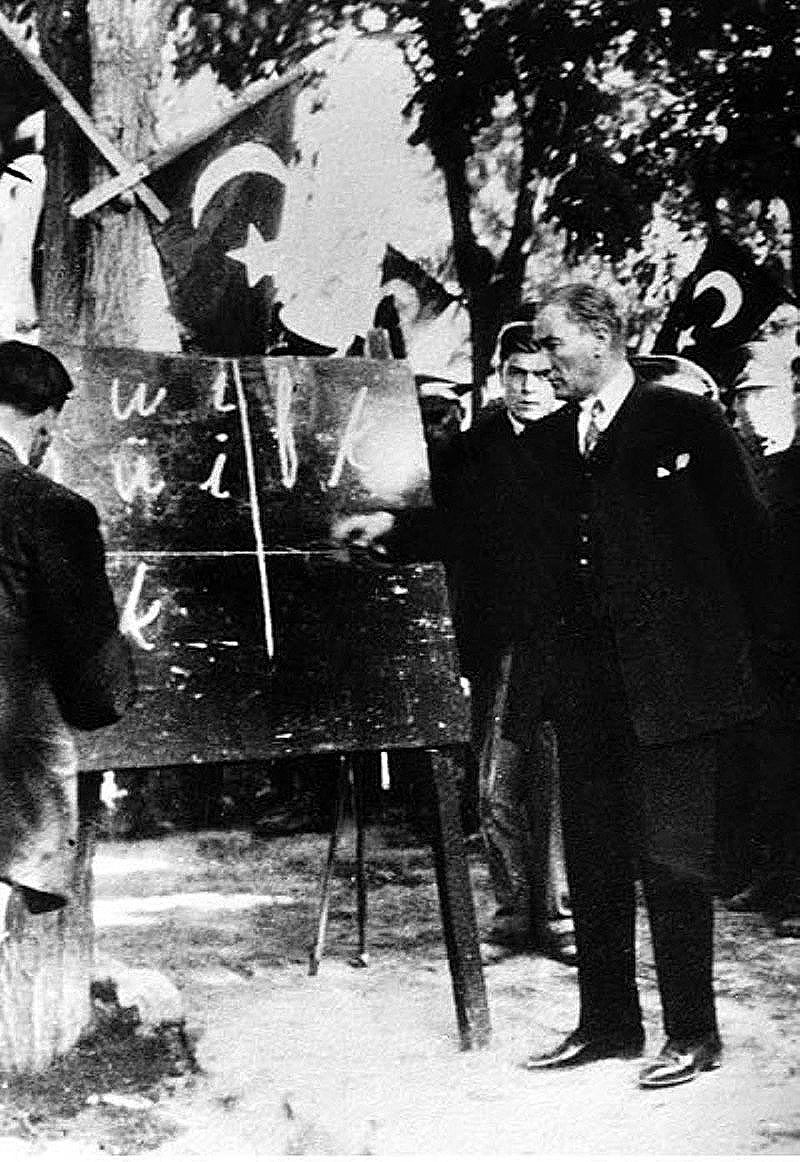
Until the early 20th century Ottoman Turkish was written in a version of the Arabic script. As part of a series of language and cultural reforms, the Republic of Turkey adopted a Latin-based alphabet in 1928 to increase literacy and better match Turkish phonology. The modern alphabet is a modified form of the Latin script designed to represent Turkish sounds more directly; see the discussion on the modified Latin script.
Uses, implications and examples
The alphabet underpins modern Turkish education, media and administration. Its regular spelling rules make pronunciation largely predictable from writing, which aids literacy. Vowel harmony, the dotted/dotless I distinction, and letters like Ğ are often highlighted in language instruction. Examples of common letters in use include words like "İstanbul" (note the dotted capital I) and "çocuk" (child), illustrating diacritics in ordinary vocabulary. For official charts and ordering conventions used in Turkey consult materials at Turkish alphabet of Turkey.
Notable distinctions
When comparing Turkish to other Latin-alphabet languages, its small set of added diacritics and its omission of Q, W and X are the clearest differences. The orthography's close correspondence between letters and sounds is one reason it is considered a relatively phonetic writing system, though pronunciation details and regional accents remain important for learners.
Questions and answers
Q: What is the Turkish alphabet used for?
A: The Turkish alphabet is used for writing, speaking, and reading in Turkish.
Q: How many letters are there in the Turkish alphabet?
A: There are 29 letters in the Turkish alphabet of Turkey.
Q: Which English letters are not in the Turkish alphabet?
A: The English letters "Q", "W" and "X" are not in Turkish alphabet.
Q: How many vowels are there in the Turkish alphabet?
A: There are 8 vowels in the Turkish alphabet: A, E, I, İ, O, Ö, U, and Ü.
Q: How many consonants are there in the Turkish alphabet?
A: There are 21 consonants in the Turkish alphabet: B, C, Ç, D, F, G, Ğ, H, J, K, L, M, N, P, R, S, Ş, T, V, Y, and Z.
Q: Which Turkish letters are included in the Turkish alphabet?
A: Seven Turkish letters (Ç, Ğ, I, İ, Ö, Ş, and Ü) are included in the Turkish alphabet.
Q: Is the Turkish alphabet the same as the Latin alphabet?
A: The Turkish alphabet is modified from the Latin alphabet.
Author
AlegsaOnline.com Turkish alphabet Leandro Alegsa
URL: https://en.alegsaonline.com/art/102102