
Tucuruí Dam
Large hydroelectric dam on the Tocantins River in Pará, Brazil, known for its concrete gravity structures, major power generation role and significant environmental and social impacts.
Overview
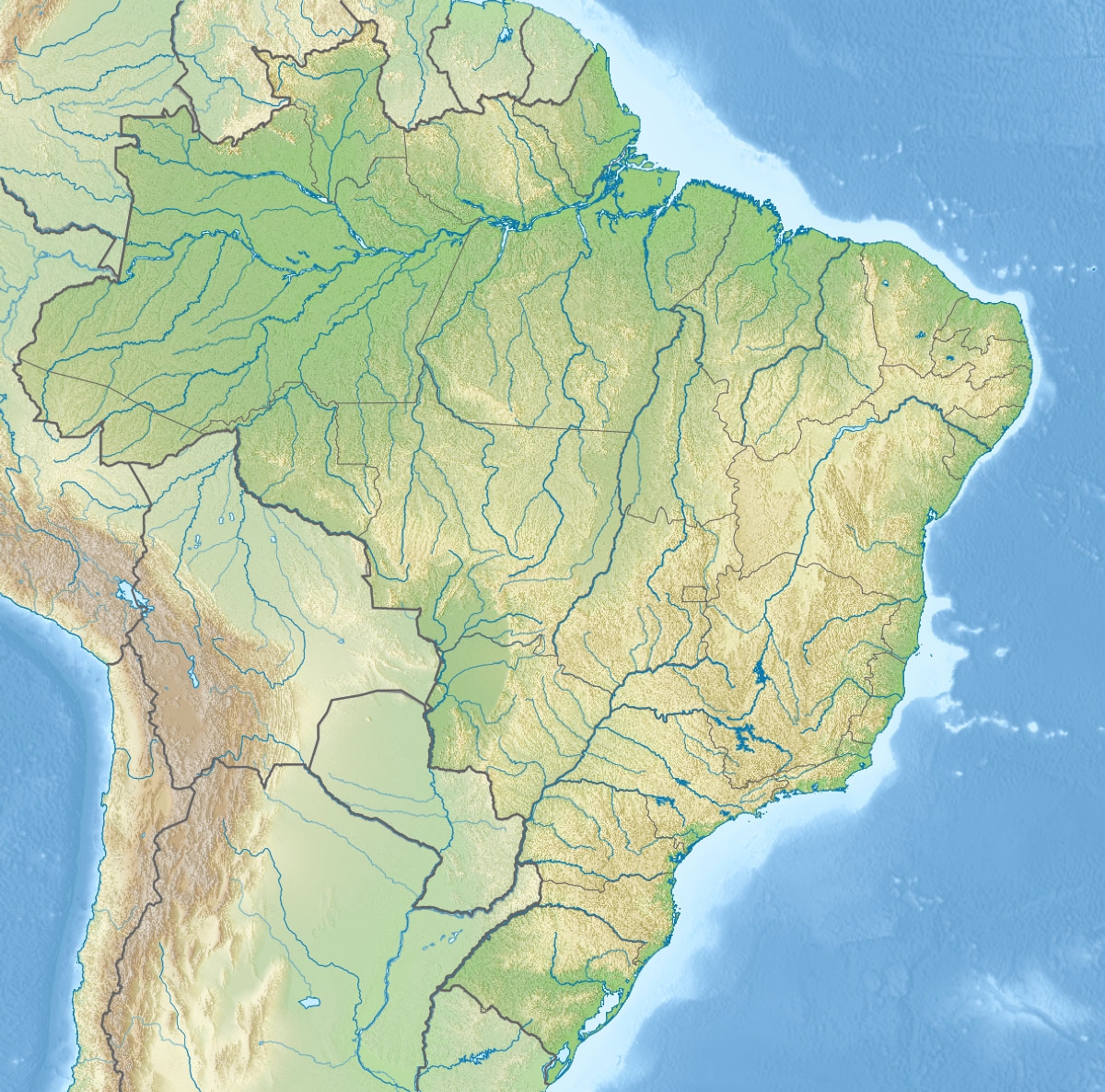
The Tucuruí Dam is a major infrastructure project in northern Brazil, built across the Tocantins River to provide large-scale hydroelectric generation. The installation combines a concrete gravity spillway and associated embankments to create a reservoir and a powerhouse. It was constructed to supply energy for regional development and to integrate into the national electrical grid as one of the country's most important generating sites. The facility is commonly referred to by the name of the nearby town, Tucuruí.
Image gallery
3 Images

Design and main components
The dam complex consists of several engineered elements: a concrete gravity section containing spillways and intake structures; extensive earthen embankments that close the reservoir; a powerhouse that houses turbines and generators; and navigation and maintenance works. Designers included provisions to support river navigation and to control flood flows. The technical solution reflects a combination of civil concrete works and large-volume earthworks typical of major river dams.
History and construction
Planning and construction began in the late 20th century, with major earthmoving and concrete works carried out through the 1970s and 1980s into later decades as the project expanded. The development proceeded in stages: initial power units were commissioned first, and further expansion phases were added over time to increase total output. The project was implemented by national energy authorities and contractors, with operation entrusted to the public electric utility responsible for the northern region.
Environmental and social effects
The creation of the reservoir required flooding of large areas of forest and riverine land, producing a range of environmental and social consequences. Impacts included changes to fish migrations and river ecology, greenhouse gas emissions from flooded biomass, and the displacement or resettlement of riverside communities and indigenous groups. These outcomes provoked public debate and subsequent mitigation efforts such as resettlement programs and environmental monitoring, though controversy remains part of the dam's legacy.
Operation, uses and significance
As a hydroelectric installation the Tucuruí complex supplies electricity to homes, industry and transport systems across a broad area and contributes to Brazil's overall renewable generation capacity. Its role in stabilizing the regional grid and supporting economic growth in the north is notable. The facility also functions as an inland navigation and regional development anchor, linking river transport with energy infrastructure.
Notable facts and distinctions
- Scale: The dam is among the largest hydroelectric projects in Brazil and is widely cited in discussions of large tropical dams.
- Structure: It couples a concrete gravity spillway with long earthen embankments to impound the Tocantins River.
- Controversy: Social displacement and ecological change have made the project a frequent case study in environmental impact and energy policy.
- Further information: General references and technical summaries are available through national energy agencies and engineering sources; see links for more context: dam overview, hydropower plant description.
Questions and answers
Q: Where is the Tucuruí Dam located?
A: The Tucuruí Dam is located in Tucuruí province in Brazil.
Q: What is the purpose of the Tucuruí Dam?
A: The Tucuruí Dam is a dam for a hydroelectric power plant.
Q: What type of wall does the Tucuruí Dam have?
A: The Tucuruí Dam has a gravity wall.
Q: When was the Tucuruí Dam constructed?
A: The Tucuruí Dam construction started in the 1980s.
Q: How big is the Tucuruí Dam?
A: The Tucuruí Dam is one of the biggest hydroelectric dams in the world.
Q: Which river is the Tucuruí Dam located on?
A: The Tucuruí Dam is located on the Tocantins River.
Q: Who built the Tucuruí Dam?
A: The text does not provide information on who built the Tucuruí Dam.
Related articles
Author
AlegsaOnline.com Tucuruí Dam Leandro Alegsa
URL: https://en.alegsaonline.com/art/101947