
Tsunami protection engineering: principles, measures and case lessons
Engineering approaches to prevent or reduce tsunami damage, covering hard and soft defenses, land-use planning, early warning, critical infrastructure protection, and lessons from major events.
Overview
Tsunami protection engineering combines structural design, landscape planning and emergency systems to reduce loss of life and property from tsunami waves. It addresses the forces of long-wavelength, high-energy water flows that inundate coasts, the expected run-up and overtopping of defenses, and the human systems needed to respond. Practical strategies range from large concrete seawalls to vegetation belts, and from evacuation routes to redundant systems for critical facilities.
Image gallery
10 Images




Core principles and objectives
Designers aim to reduce hazard exposure, dissipate wave energy, prevent catastrophic failure of infrastructure, and enable rapid human response. Key concepts include understanding local tsunami sources, mapping inundation zones, predicting wave height and velocity, and designing measures for the likely return periods. Protection must balance the effectiveness of hard barriers with the environmental and social consequences for coastal communities.
Structural and engineered measures
Common structural defenses are intended to block, reflect or absorb tsunami energy. These include:
- Seawalls and breakwaters sized for expected wave heights and overtopping rates.
- Harbour gates and tsunami-compatible port infrastructure to reduce damage to shipping and terminals.
- Elevated evacuation platforms and hardened refuges for rapid access during an event.
- Design modifications for buildings to allow flow-through and reduce hydrodynamic loads.
Seawalls can be effective where they are economically and environmentally feasible; their design must consider long-term maintenance and the potential for rare, extreme events.
Soft measures, land-use and community preparedness
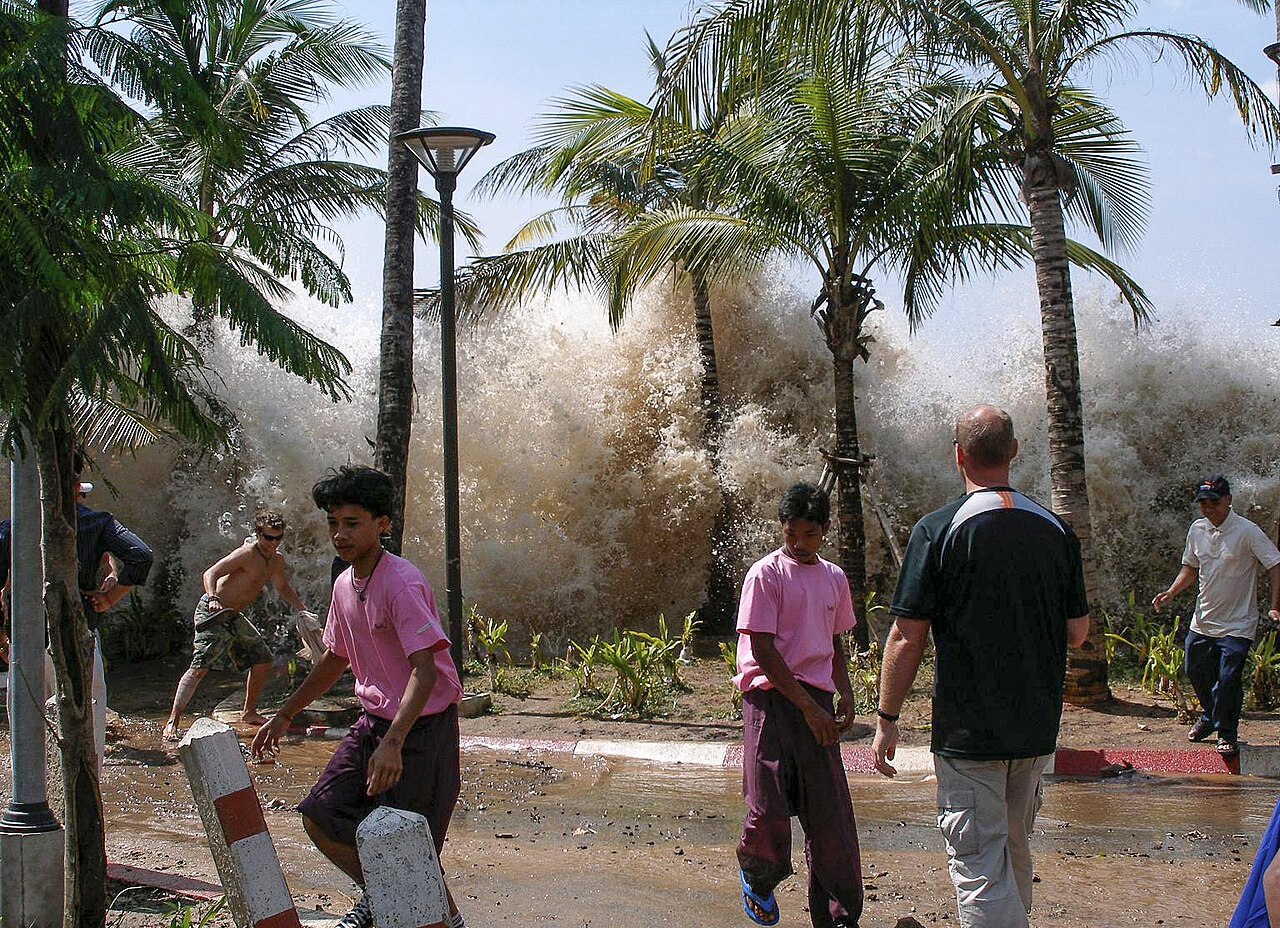
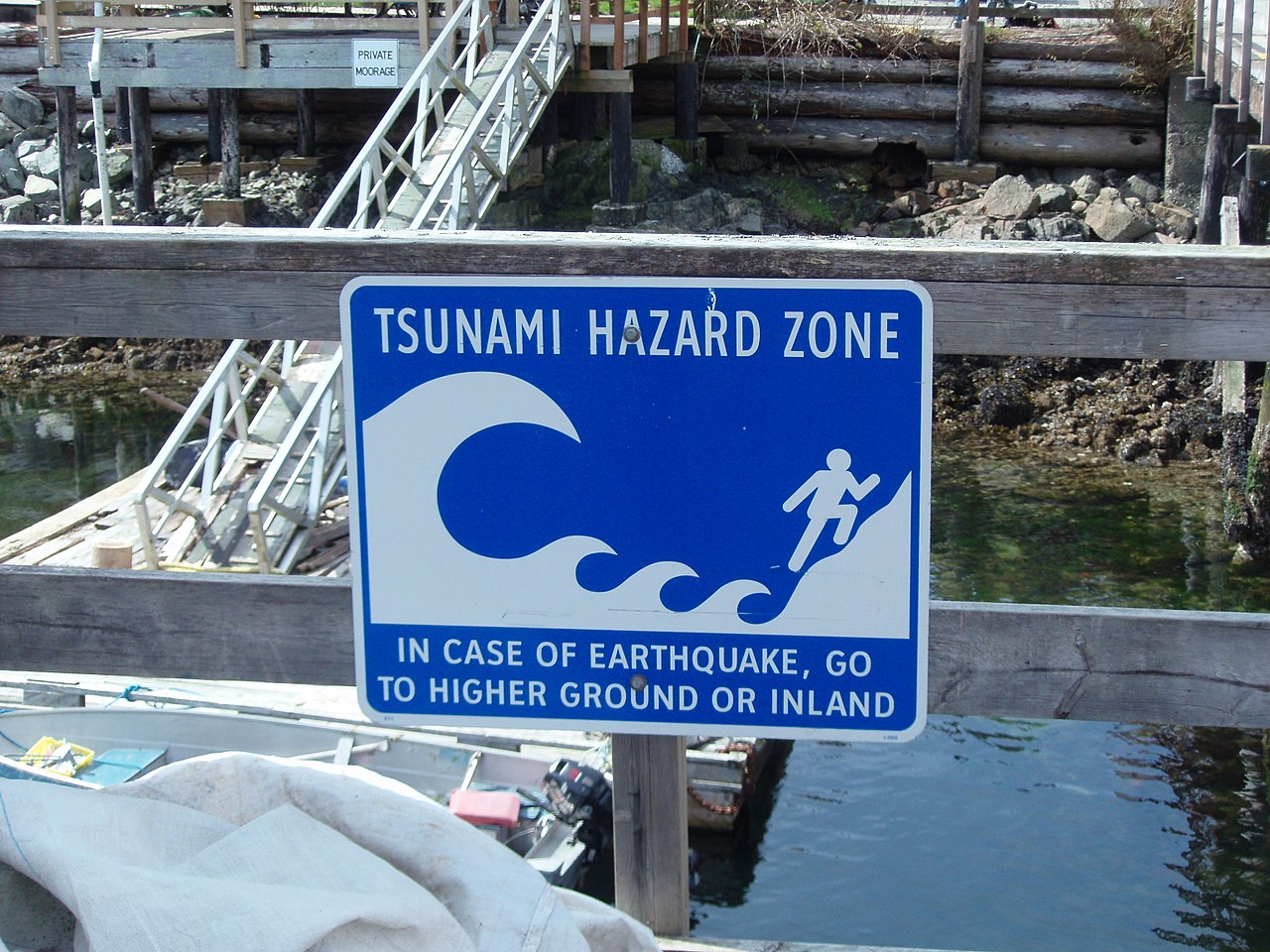
Non-structural approaches often complement or substitute for large defenses. Examples include coastal forest belts, dunes and mangroves that dissipate wave energy; setbacks and zoning that keep vulnerable assets out of high-risk zones; and public education, signage and evacuation planning. Some communities, such as certain Indian villages, experienced relatively low casualties in the 2004 event where vegetated corridors and local awareness helped reduce impacts. Early warning systems and clear evacuation routes remain central to saving lives.
Protection of critical infrastructure
Facilities such as power plants, hospitals and ports require special attention: siting above predicted inundation levels, providing redundant power and cooling, waterproofing critical equipment and planning for prolonged isolation. The 2011 event at Fukushima Daiichi highlighted how loss of primary power and failure of backup generators and cooling systems can cascade into severe outcomes, including explosions and fires. Lessons emphasize redundant, diverse systems and procedural preparedness to maintain safety functions under extreme conditions.
History, examples and notable lessons
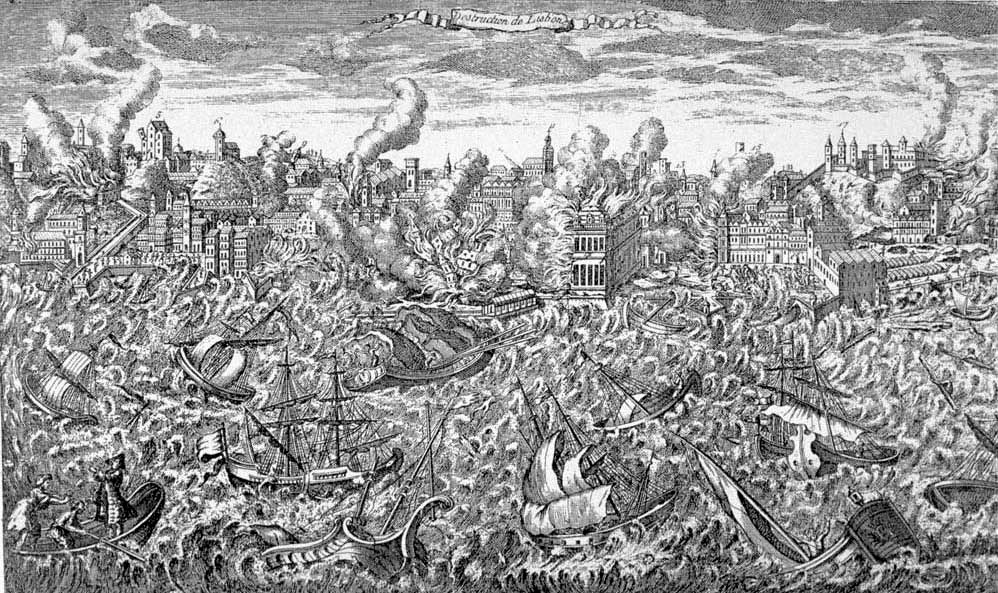
Tsunami engineering evolved after major events prompted systematic study and investment. The 2004 Indian Ocean tsunami accelerated development of regional warning networks and community-based preparedness; the 2011 Tohoku tsunami prompted reassessments of design standards and coastal defenses. Engineering responses now integrate natural buffers, engineered barriers and social measures. For long-term resilience, planners consider not only preventing inundation but also minimizing secondary hazards such as explosions and hazardous releases, including potential radiation release when nuclear sites are affected.
Implementation and trade-offs
Decisions about investment in protection require balancing cost, environmental impact and residual risk. Hard defenses can protect dense, high-value areas but may give a false sense of security if not maintained or if overtopped. Soft systems and land-use policies can be more sustainable but require social commitment and time to become effective. The best programs combine multiple layers—early warning, evacuation, nature-based barriers, and engineered structures—tailored to local hazard, exposure and community needs. For a general introduction to tsunamis and hazard assessment see tsunami.
Questions and answers
Q: What is the purpose of tsunami protection engineering?
A: The purpose of tsunami protection engineering is to prevent or mitigate possible tsunami damage and save lives.
Q: What is the most effective method of tsunami protection?
A: The use of seawalls in front of ports and cities seems to be the most effective method of tsunami protection.
Q: Can planting trees be an effective method of tsunami protection?
A: Yes, planting trees can be an effective method of tsunami protection. Some villages in India had minimal casualties in the 2004 tsunami because they had planted trees along the coastline.
Q: What should tsunami protection engineering also foresee and prevent?
A: Tsunami protection engineering should also foresee and prevent situations like the one that happened at Fukushima Daiichi Nuclear Power Plant when the main power went down, backup generators failed and cooling water could not get to the nuclear fuel.
Q: What caused the explosions, fires, and dangerous release of radiation at Fukushima Daiichi Nuclear Power Plant?
A: The overheating that followed when the cooling water failed to get to the nuclear fuel caused the explosions, fires, and dangerous release of radiation at Fukushima Daiichi Nuclear Power Plant.
Q: How can seawalls protect cities from tsunamis?
A: Seawalls can protect cities from tsunamis by blocking or absorbing the force of the tsunami waves.
Q: How do the trees planted along the coastline protect against tsunamis?
A: Trees planted along the coastline can reduce the impact of tsunami waves by slowing them down and reducing their height.
Related articles
Author
AlegsaOnline.com Tsunami protection engineering: principles, measures and case lessons Leandro Alegsa
URL: https://en.alegsaonline.com/art/101890
Sources
- walrus.wr.usgs.gov : "Tsunamis and Earthquakes: Tsunami Generation from the 2004 Sumatra Earthquake — USGS Western Coastal and Marine Geology"
- web.mit.edu : Coastal Protection