
Trypanosomatida: parasitic kinetoplastid protists
Trypanosomatida are single-flagellated, single-mitochondrion protozoa (kinetoplastids) that include insect-restricted species and important human and animal parasites such as Leishmania and Trypanosoma.
The Trypanosomatida are an order of single-celled eukaryotes within the kinetoplastid lineage. Members are defined by a specialised mitochondrial DNA mass called a kinetoplast, a single flagellum used for locomotion or attachment, and a parasitic lifestyle in many species. While some trypanosomatids are confined to insects, others alternate between insect vectors and vertebrate or plant hosts and are responsible for significant human, veterinary, and agricultural diseases.
Image gallery
9 Images


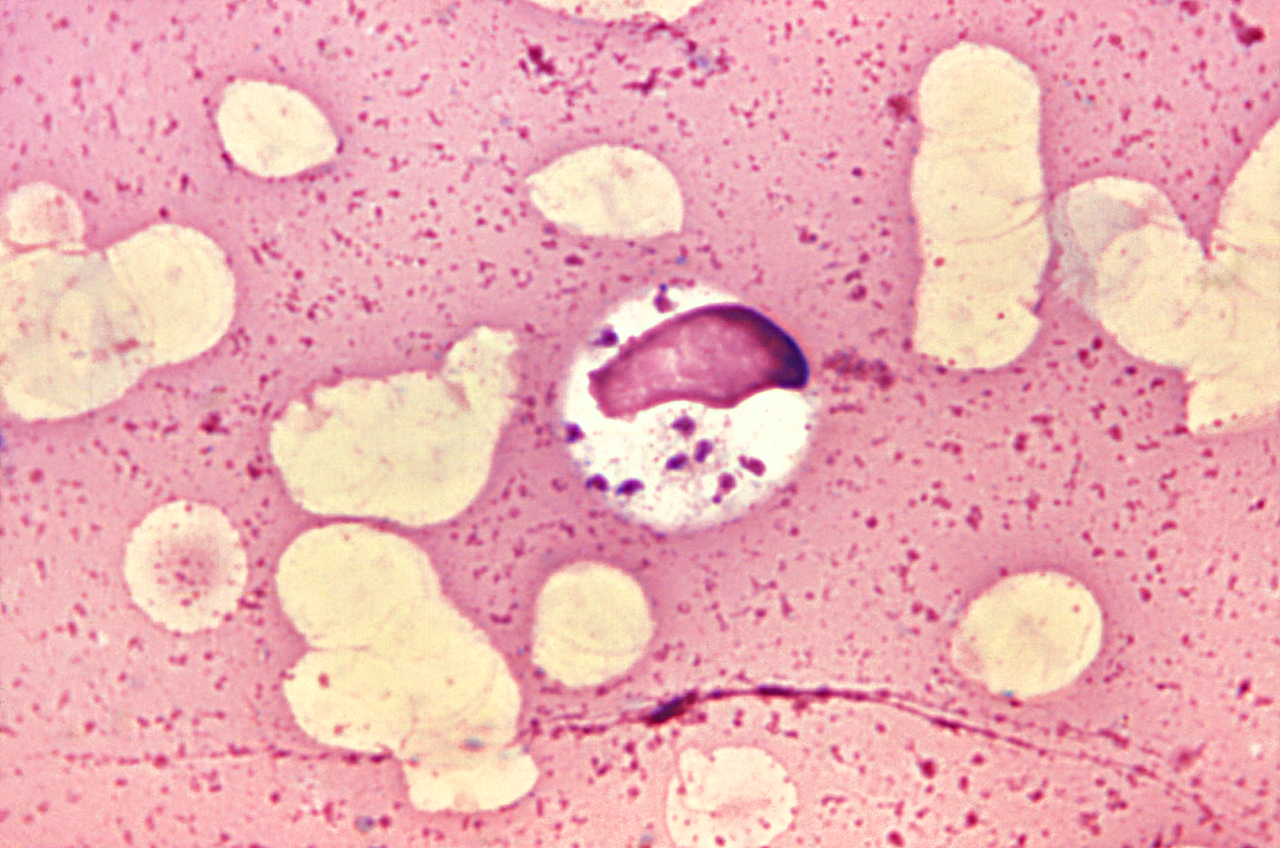


Key characteristics
Trypanosomatids share a distinctive cell architecture: one nucleus, one large mitochondrion that contains the kinetoplast, and a single flagellum emerging from a basal body. The kinetoplast is a dense network of circular DNA molecules associated with the mitochondrial membrane and is a molecular and diagnostic hallmark of the group. Because these organisms belong to the broader group of kinetoplastids, this feature is central to their identity.
Life cycles and hosts
Species vary in host range and complexity. Some are restricted to insects and complete their life cycle in a single host. Many medically important trypanosomatids are dixenous, meaning they require two hosts: an insect vector and a vertebrate or plant host. In dixenous species one developmental form is adapted to the insect and another to the animal or plant host. Examples of alternate host types include transmission between insects and animals or between insects and plants.
Forms and transmission
During their complex life cycles trypanosomatids adopt characteristic morphological forms—terms such as promastigote, epimastigote, trypomastigote and amastigote describe the position of the flagellum and kinetoplast relative to the nucleus. Transmission occurs when an infected insect vector feeds on a vertebrate host or when contaminated insect stages contact plant tissues. The single flagellum is sometimes free and motile, and sometimes attached along the cell surface to aid movement or attachment (single flagellum).
Medical and economic importance
Several trypanosomatids cause major diseases. Members of the genus Leishmania cause leishmaniasis, transmitted by sandflies and ranging from cutaneous ulcers to life-threatening visceral disease. Trypanosoma species cause African sleeping sickness and Chagas disease, transmitted by tsetse flies and reduviid bugs respectively. Control relies on diagnosis (microscopy, serology, molecular tests), vector control, and a limited arsenal of antiparasitic drugs; research continues on safer, more effective treatments and vaccines.
Notable distinctions and study
- Monoxenous species: complete life cycle in a single invertebrate host (often insects).
- Dixenous species: alternate between an insect vector and a vertebrate or plant host.
- Taxonomy: Trypanosomatida are classified within kinetoplastid protists and studied across parasitology, molecular biology and public health.
Because of their medical impact and unique molecular features (such as kinetoplast DNA and specialized surface molecules), trypanosomatids remain a major focus of biological and clinical research. For introductory summaries and further reading see general resources on kinetoplastids and parasitic protozoa, as well as targeted materials on insect-restricted groups (insect-only trypanosomatids), vector biology (flagellum and motility), plant-associated cycles (plant-host interactions), animal infections (animal hosts and zoonoses), and clinical information on Leishmania.
Questions and answers
Q: What are Trypanosomatida?
A: Trypanosomatida are a group of unicellular kinetoplastids with a single flagellum.
Q: Do Trypanosomatida often live as parasites?
A: Yes, Trypanosomatida often live as parasites.
Q: In what organisms do many Trypanosomatida live?
A: Many Trypanosomatida only live in insects.
Q: Can some Trypanosomatida change hosts?
A: Yes, some Trypanosomatida can change hosts.
Q: Where can one form of Trypanosomatida live?
A: One form of Trypanosomatida lives in insects.
Q: Where can the other form of Trypanosomatida live?
A: The other form of Trypanosomatida lives inside a plant or an animal.
Q: Can you give an example of a Trypanosomatida that changes hosts?
A: Leishmania is a common example of a Trypanosomatida that changes hosts.
Related articles
Author
AlegsaOnline.com Trypanosomatida: parasitic kinetoplastid protists Leandro Alegsa
URL: https://en.alegsaonline.com/art/101850