
Béla Bartók
Béla Bartók (1881–1945) was a Hungarian composer, pianist and ethnomusicologist whose integration of folk music, innovative harmony and rhythm made him a leading figure of 20th‑century music.
Overview
Béla Bartók was a Hungarian composer and pianist widely regarded as one of the most original musicians of the 20th century. Born in Nagyszentmiklós in 1881, he combined a concert career with intensive research into the traditional music of Central and Eastern Europe. His works range from solo piano pieces and chamber music to large orchestral works; they are noted for bold harmonies, complex rhythms and a distinct use of folk-derived material.
Image gallery
10 Images

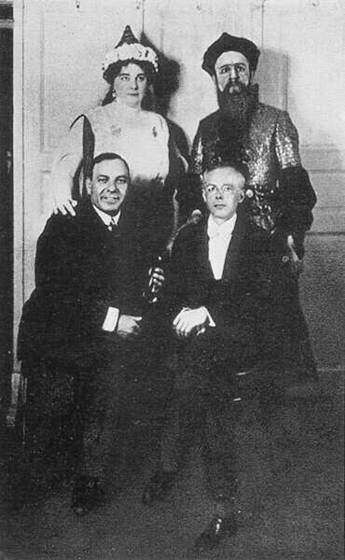


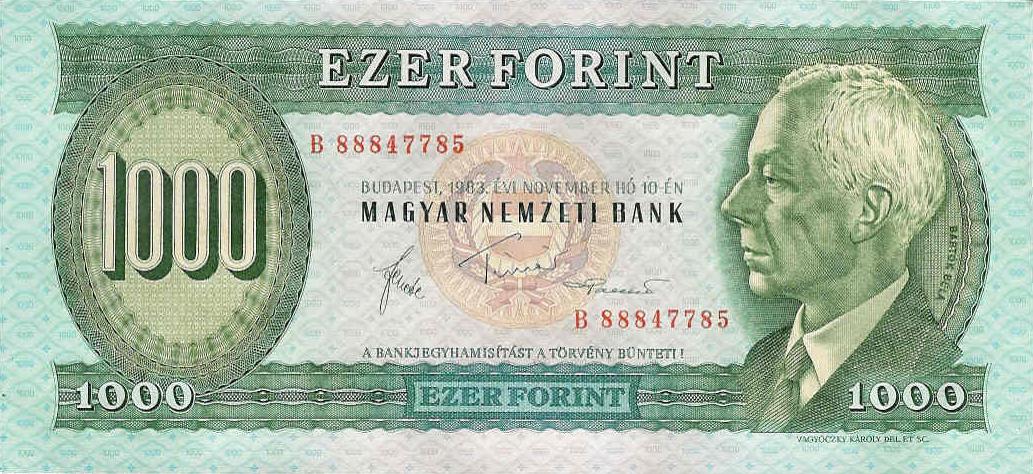

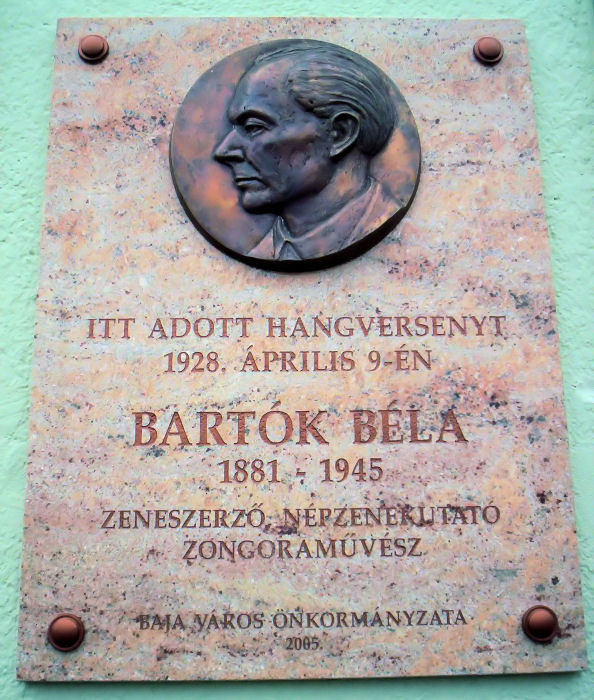
Musical style and characteristics
Bartók absorbed folk melodies and textures into a modern classical language without simply quoting tunes. He developed techniques that include modal scales, asymmetric meters, dense sonorities and what scholars call "Night Music"—a sound world evoking nocturnal atmospheres. His harmonic approach often uses folk scales, polymodal chromaticism and percussive piano writing, producing music that can sound both archaic and strikingly modern.
Research, fieldwork and ethnomusicology
Alongside composition, Bartók was a pioneer in the systematic collection of folk songs. He travelled to villages in Hungary, Romania and beyond to record, transcribe and study local singing and instrumental traditions. This fieldwork informed his compositions and contributed to the academic foundation of ethnomusicology, influencing how composers and scholars think about oral traditions and musical structures.
Major works and genres
Bartók wrote important pieces in many genres: piano works (including virtuosic and pedagogical pieces), six string quartets that trace his evolving style, choral and vocal settings, ballet and stage music, and orchestral works such as the widely performed Concerto for Orchestra. His music balances rigorous craft with folk-inspired rhythms and colors, and many pieces remain staples of concert repertory.
Career, emigration and later life
After building a career in Europe as performer and teacher, Bartók emigrated to the United States during the Second World War. He continued composing and teaching while confronting health and financial difficulties. Despite a relatively short life—he died in New York City in 1945—his late works and his achievements in preservation of folk heritage secured a lasting reputation.
Legacy and distinctions
Bartók is remembered as both a major composer and an influential scholar of folk music. His fusion of vernacular material with advanced compositional techniques expanded the vocabulary available to composers and shaped 20th‑century music. Performers prize his piano pieces and quartets for their technical demands and expressive depth, while ethnomusicologists still regard his field collections as valuable historical resources.
Further reading and resources
- Biography and timeline
- Bartók’s life in the United States
- Overview of compositions
- Piano works and performance tradition
- 20th‑century context and influence
- Folk music fieldwork and collections
- Romanian and regional sources
- The string quartets
- Orchestral works and repertoire
- Concerto for Orchestra: background
- Harmonic language and analysis
- Rhythm and meter in Bartók’s music
- Recordings and recommended performances
- Ethnomusicological legacy and archives
Questions and answers
Q: Who was Béla Bartók?
A: Béla Bartók was a famous Hungarian composer and pianist of the 20th century.
Q: What was Bartók's interest in folk music?
A: Bartók was very interested in folk music and travelled a lot to Hungary and other countries, including Romania, to listen to the folk songs which the country people sang.
Q: How did Bartók use folk music in his compositions?
A: Bartók often used the style of folk songs in his music.
Q: What types of music is Bartók famous for?
A: Bartók is famous for his piano music, string quartets, and several pieces for orchestra, including one called Concerto for Orchestra.
Q: Were Bartók's harmonies and rhythms well-received by audiences?
A: Bartók's harmonies and lively rhythms were sometimes quite new to classical music, and some audiences found them difficult to understand at first.
Q: When and where was Bartók born and died?
A: Bartók was born on March 25, 1881, in Nagyszentimiklós, Hungary, and he died on September 26, 1945, in New York City.
Q: What was Bartók's contribution to classical music?
A: Bartók was one of the most important and original composers of the 20th century, and his use of folk music in classical compositions was a significant contribution to the genre.
Related articles
Author
AlegsaOnline.com Béla Bartók Leandro Alegsa
URL: https://en.alegsaonline.com/art/10185