
Tropical Storm Jose (2005)
Short-lived tropical storm (Aug 22–23, 2005) that formed in the western Gulf of Mexico, made landfall in eastern Mexico, and produced heavy rain, landslides, eight deaths, and about $45 million damage.
Overview
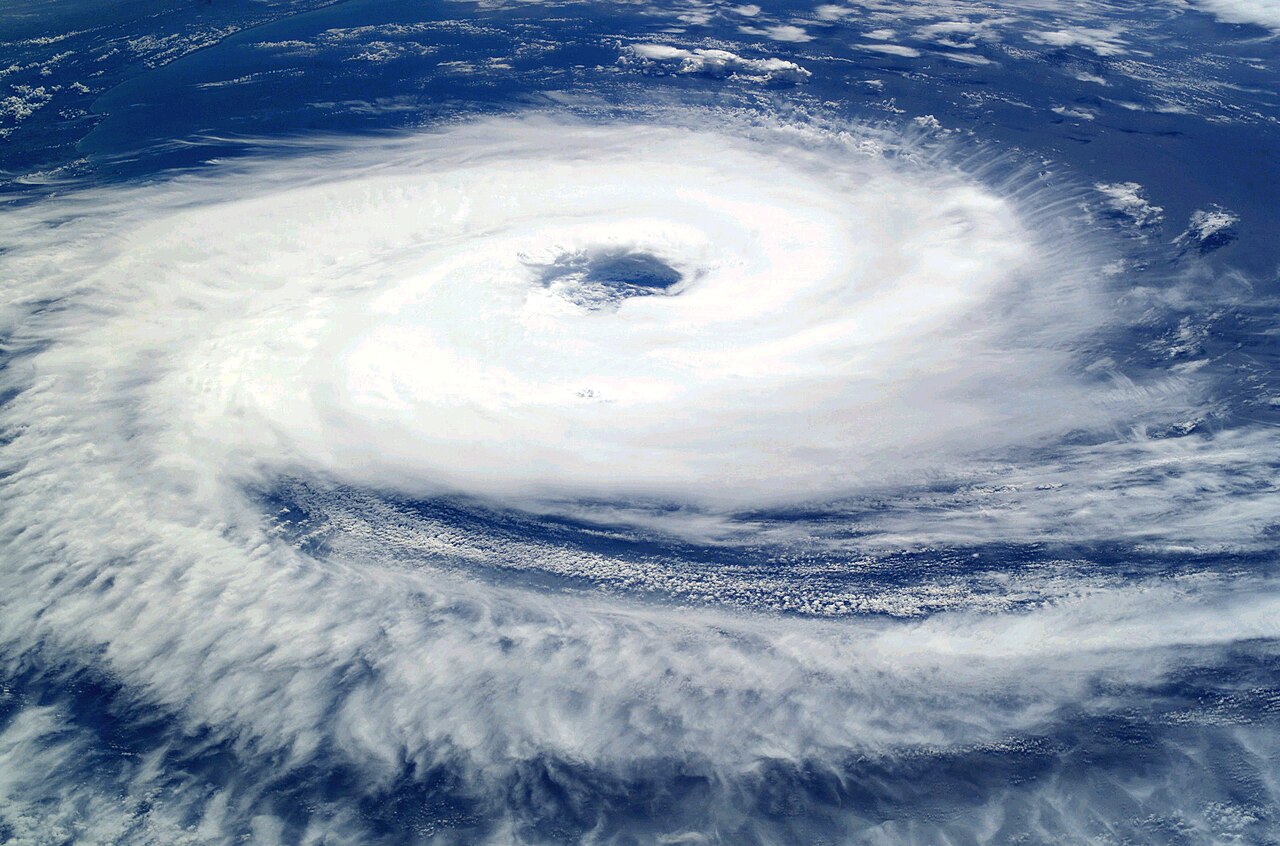
Tropical Storm Jose was a brief but destructive tropical cyclone that existed from August 22 to August 23, 2005. It was the tenth named storm of the 2005 Atlantic hurricane season. Jose formed in the western Gulf of Mexico and moved ashore in eastern Mexico at peak tropical-storm strength. Although short-lived, the system produced intense rainfall that triggered landslides and localized flooding.
Image gallery
6 Images


Meteorological history and characteristics
Jose developed rapidly off the coast of Mexico on August 22 and reached maximum sustained winds estimated at about 60 mph (95 km/h) before making landfall the following day. The storm was classified as a tropical storm throughout its life and did not reach hurricane intensity. After landfall, its circulation collapsed relatively quickly over the mountainous terrain, and the system dissipated while inland. Typical tropical-storm hazards from Jose included heavy rain, gusty winds near the coast, and short-lived coastal storm surge in low-lying areas.
Impacts
The primary hazard associated with Jose was torrential rainfall over eastern Mexico, which produced widespread runoff and unstable slopes. Numerous landslides occurred in affected areas; these slides were responsible for all of the reported fatalities. Official reports attribute a total of eight deaths to the storm, six directly and two indirectly, all associated with landslide events. Damage estimates from the affected regions were on the order of $45 million, reflecting damage to homes, roads, and infrastructure from flooding and slope failures.
Location and affected areas
Jose formed in the western Gulf of Mexico and made landfall on the eastern coast of Mexico. The storm’s coastal track meant that the heaviest rains fell over mountainous and hilly terrain inland, where saturated soils increased the risk of landslides. Local authorities and emergency teams focused on search, rescue, and road clearing in the immediate aftermath, and assistance was concentrated in the hardest-hit communities.
Context and notable facts
- Designation: tenth named storm of the 2005 Atlantic season (season overview).
- Life span: approximately two days (August 22–23, 2005).
- Peak intensity: near 60 mph (95 km/h) winds; remained a tropical storm.
- Casualties and damage: eight fatalities (landsides) and about $45 million in reported damage.
Aftermath and significance
Jose is often noted as an example of how even short-lived tropical storms can cause severe impacts when heavy rainfall interacts with vulnerable terrain. The event reinforced the need for local preparedness measures in mountainous coastal regions, including early warnings for landslides and the maintenance of evacuation routes. For broader context on that active season and other storms that year, see the season summary resources linked above and the regional emergency management reports that documented response and recovery efforts.
For further reading, see regional summaries and post-storm assessments provided by meteorological and civil-protection agencies: official reports describe the rainfall distribution, landslide locations, and the timeline of impacts and relief operations. Additional technical analyses are available through agency archives and tropical cyclone databases that track historical storm records and impacts.
Relevant topics: tropical cyclone hazards, coastal landfall impacts, landslide risks in mountainous coastal regions. More detailed incident reports and maps of the affected areas can be found through national and local agencies’ archives and weather service summaries (landfall details, landslide reports).
Questions and answers
Q: When did Tropical Storm Jose occur?
A: Tropical Storm Jose occurred from August 22 to 23.
Q: What was the intensity of Tropical Storm Jose at its peak?
A: Tropical Storm Jose was at its strongest point with 60 mph (95 km/h) winds.
Q: Where did Tropical Storm Jose make landfall?
A: Tropical Storm Jose made landfall in eastern Mexico.
Q: How long did Tropical Storm Jose exist for?
A: Tropical Storm Jose existed for a very short time from August 22 to 23.
Q: How many people in total were killed by Tropical Storm Jose?
A: Tropical Storm Jose killed a total of eight people (6 directly and 2 indirectly).
Q: What was the cause of death for all people killed by Tropical Storm Jose?
A: All people killed by Tropical Storm Jose were killed by landslides.
Q: How much damage was caused by Tropical Storm Jose?
A: Tropical Storm Jose caused $45 million in damage.
Related articles
Author
AlegsaOnline.com Tropical Storm Jose (2005) Leandro Alegsa
URL: https://en.alegsaonline.com/art/101718
Sources
- teorema.com.mx : "Estiman daños en Veracruz por 500 millones de pesos"
- nhc.noaa.gov : "Tropical Cyclone Report: Tropical Storm Jose"
- nhc.noaa.gov : "Discussion for Tropical Depression Eleven, 5 p.m. EDT, August 22 2005"
- nhc.noaa.gov : "Discussion for Tropical Storm Jose, 5 a.m. EDT, August 23 2005"