
Tropical Storm Delta (2005): late-season transition affecting Canary Islands, Morocco
Late-season cyclone of 2005 that evolved from an extratropical low, briefly became subtropical, attained tropical status on Nov 22, and later impacted the Canary Islands and Morocco as a post-tropical storm.
Overview
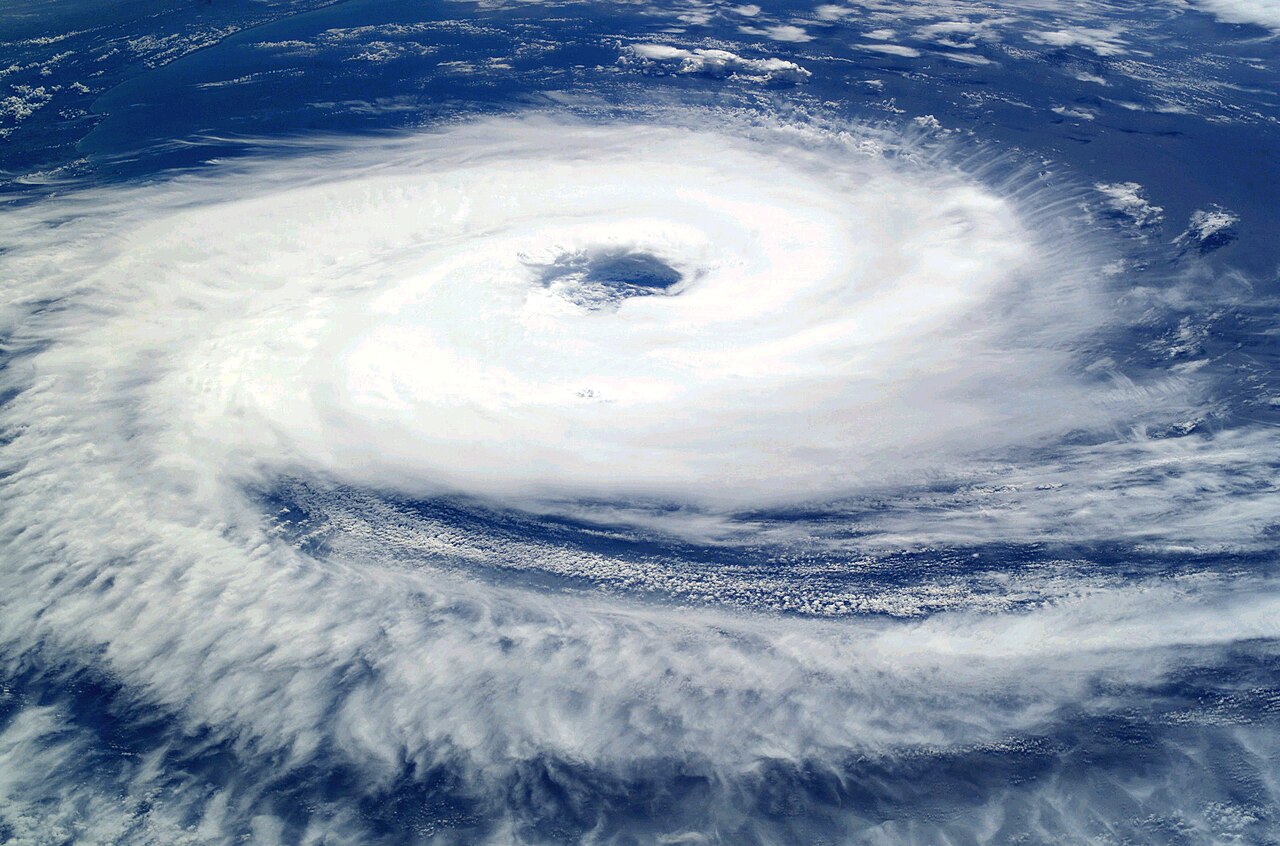
Tropical Storm Delta was a late-season North Atlantic cyclone notable for its complex life cycle during the very active 2005 Atlantic hurricane season. The system originated from an extratropical low and underwent a sequence of structural changes, including a short-lived subtropical phase before acquiring sufficient tropical characteristics to be classified as a tropical storm. Operational analyses list Delta among the final named storms of that season. Although its tropical phase was brief, the system produced strong winds and hazardous seas as it moved near the eastern Atlantic islands and the northwest African coast.
Image gallery
10 Images



Meteorological history
The precursor to Delta began as a mid-latitude extratropical cyclone that persisted over the eastern Atlantic in late November. Over several days the cyclone's convection became more concentrated near its center, and the system shed some frontal characteristics as it acquired a tighter, more symmetric wind field. Forecasters identified a subtropical stage and then designated the disturbance Tropical Storm Delta on November 22. The storm tracked slowly and erratically east-southeastward and later turned northeastward. By November 29 the storm had lost its warm-core structure and was reclassified as extratropical before passing north of the archipelago.
Characteristics
- Hybrid evolution: Delta showed a sequence of cold-core, hybrid, and warm-core phases typical of late-season systems that form from extratropical lows.
- Short tropical phase: The period during which Delta met tropical criteria was brief, reflecting marginal environmental conditions for sustained tropical intensification late in the year.
- Marine and wind impacts: Even after losing tropical characteristics, the cyclone retained strong winds and generated high seas across a broad area of the eastern Atlantic.
Impacts
Delta affected the Canary Islands and parts of northwest Africa, including coastal areas of Morocco. In those regions the storm behaved principally as a powerful extratropical system: authorities reported hazardous marine conditions, elevated swell and coastal flooding risk in exposed locations, and periods of strong gusty winds and rain. Such effects were sufficient to prompt marine advisories, disruption to ferry schedules, and temporary precautions for coastal infrastructure and maritime operations. Damage, where reported, tended to be localized and associated with waves, coastal erosion, and wind-related impacts rather than widespread inland flooding typical of stronger tropical cyclones.
Forecasting and response
Forecasting storms that transition between extratropical, subtropical, and tropical phases poses challenges because structural changes alter the distribution of winds, rainfall, and sea conditions. Meteorological agencies issued warnings and information to mariners and coastal communities as the system approached the islands and northwest African coast. The case of Delta illustrated the need for clear communication about hazards from post-tropical storms, which can remain dangerous despite having lost a warm core.
Context and significance
Delta is often cited in meteorological summaries as an example of late-season cyclogenesis and the fluid boundaries between storm classifications. It underscores how extratropical lows over relatively warm waters in the eastern Atlantic can temporarily acquire tropical characteristics, producing named storms late in the season. As part of the unusually active 2005 season, Delta contributes to understanding seasonal variability and the variety of cyclone life cycles observed in the Atlantic basin.
Further reading
For general background on storm types and transitions, consult resources on extratropical, tropical and subtropical cyclones as well as seasonal summaries of the 2005 Atlantic hurricane season. Detailed post-storm analyses and advisories issued at the time provide operational insight into the forecasts and warnings issued when Delta approached the Canary Islands and the northwest African coast near Morocco.
Questions and answers
Q: What is Tropical Storm Delta?
A: Tropical Storm Delta is a late-forming tropical storm that affected the Canary Islands and Morocco as a strong extratropical storm.
Q: When did Tropical Storm Delta form?
A: Tropical Storm Delta formed on November 22.
Q: What is the significance of Tropical Storm Delta in the 2005 Atlantic hurricane season?
A: Tropical Storm Delta was the twenty-sixth tropical or subtropical storm in the active 2005 Atlantic hurricane season.
Q: Did Tropical Storm Delta maintain its tropical characteristics throughout its duration?
A: No, Tropical Storm Delta formed out from an extratropical cyclone that slowly gained tropical characteristics, it was also a subtropical storm for a very short time before becoming Tropical Storm Delta on November 22. It became an extratropical storm again on November 29 just before passing north of the Canary Islands.
Q: How did Tropical Storm Delta affect the Canary Islands and Morocco?
A: Tropical Storm Delta affected the Canary Islands and Morocco as a strong extratropical storm.
Q: Was Tropical Storm Delta a fast-moving storm?
A: No, Tropical Storm Delta moved slowly and stubbornly to the Canary Islands.
Q: What date did Tropical Storm Delta become an extratropical storm again?
A: Tropical Storm Delta became an extratropical storm again on November 29 just before passing north of the Canary Islands.
Related articles
Author
AlegsaOnline.com Tropical Storm Delta (2005): late-season transition affecting Canary Islands, Morocco Leandro Alegsa
URL: https://en.alegsaonline.com/art/101698
Sources
- nhc.noaa.gov : "Tropical Cyclone Report: Tropical Storm Delta"
- nhc.noaa.gov : "Discussion for Tropical Storm Delta, 5:00 p.m. EDT, November 23 2005"
- nhc.noaa.gov : "Discussion for Tropical Storm Delta, 10:00 a.m. EDT, November 24 2005"
- nhc.noaa.gov : "Discussion for Tropical Storm Delta, 10:00 a.m. EDT, November 26 2005"
- inm.es : "Tropical Storm Delta in the Canary Islands"
- tenerifenews.com : "Delta force in the Canaries"
- today.reuters.com : "Canary Islands storm hits power, communications"
- tenerifenews.com : "Delta: impact and aftermath"
- tenerifenews.com : "Delta blamed for tuna drop"