
Triumvirate: definition, history, structure, and modern uses
A triumvirate is a group of three individuals who share power or authority. This article explains the term, historical examples (Roman and Soviet), common structures, and contemporary uses and distinctions.
Overview
A triumvirate is a political, organizational, or informal grouping composed of three people who share authority, influence, or responsibility. The word is derived from Latin and traditionally refers to balanced or joint rule by three leaders. The related term duumvirate (or duumviri) describes a partnership of two. In modern writing, the Russian equivalent troika is commonly used to denote the same idea, and the expression appears in discussions of collective government or leadership arrangements.
Image gallery
10 Images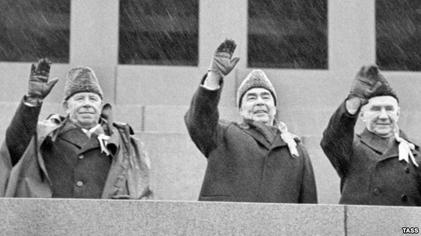



Historical examples
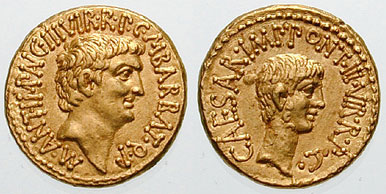
Two well known historical triumvirates illustrate different forms this arrangement can take. In Ancient Rome, the so-called First Triumvirate united three powerful figures: Julius Caesar, Pompey, and Marcus Licinius Crassus. This alliance combined political, military, and financial strength without formal constitutional sanction. Later, after Caesar's death, the Second Triumvirate of Octavian (the future Augustus), Mark Antony, and Marcus Aemilius Lepidus (often simplified in sources as Marc Antony, Marcus Lepidus, and Octavian) legally consolidated power to pursue rivals and manage the state.
In the 20th century, an early Soviet example of a troika occurred after the death of V.I. Lenin. A brief alliance formed among Joseph Stalin, Lev Kamenev, and Grigory Zinoviev as they sought control of the Communist Party and the new state. In Soviet practice, the term troika could also refer to a trio comprising the party leader, the head of state, and the head of government, reflecting an institutional division of top roles.
Characteristics and forms
Triumvirates may be formal or informal. Formal triumvirates are established by law, treaty, or official decree and assign defined powers to each member. Informal triumvirates arise through personal alliances, shared interests, or balances of resources (military, financial, political). Key features often include:
- Shared authority or influence among three participants.
- Complementary roles (for example, one member with military clout, another with financial resources, and a third with political legitimacy).
- Potential instability when one member outgrows the alliance or when external pressures upset the balance.
Uses, examples, and significance
Beyond history, the term triumvirate is applied in many contexts: corporate leadership teams, artistic partnerships, transitional governments, and informal power blocs. Writers and analysts use the term to convey the idea of triadic power-sharing without implying legal status. Because groups of three often appear less vulnerable to stalemate than two-person arrangements, they can be attractive in coalition politics; however, they can also produce complex rivalries and shifting alliances.
Distinctions and notable facts
Readers should distinguish between the general concept, the Roman political institutions, and culturally specific terms like troika. The Roman First and Second Triumvirates differed from official Roman magistracies because they relied at least in part on private agreements and personal influence rather than only on formal constitutional offices. In the Soviet context, 'troika' sometimes described temporary ruling groupings during transitions of power and could carry both institutional and pejorative connotations depending on the circumstances.
In summary, a triumvirate is a flexible term describing a three-person leadership arrangement with a long history in politics and a wide contemporary vocabulary of use. For further reading on comparative leadership structures and historical cases, see standard references on Roman history and 20th-century Soviet politics or consult scholarly overviews of coalition government and power-sharing practices (government studies) and other authoritative sources (troika, Soviet Union examples).
Questions and answers
Q: What is a triumvirate?
A: A triumvirate is a group of three men.
Q: What is a duumvirate?
A: A duumvirate is a group of two.
Q: How are these words often used?
A: These words are often used to mention a historical event or in talks of government.
Q: What is the Russian word for triumvirate?
A: The Russian word for triumvirate is troika.
Q: Who teamed up to gain power of the government after V.I. Lenin died?
A: Joseph Stalin, Lev Kamenev, and Grigory Zinoviev teamed up to gain power of the government after V.I. Lenin died.
Q: Who were the three main people in the government in the Soviet Union?
A: In the Soviet Union, troikas were usually considered to be three main people in the government: Party leader, head of state, and head of government.
Q: Who were the members of the first triumvirate in Ancient Rome?
A: Julius Caesar, Pompey, and Crassus were the members of the first triumvirate in Ancient Rome.
Related articles
Author
AlegsaOnline.com Triumvirate: definition, history, structure, and modern uses Leandro Alegsa
URL: https://en.alegsaonline.com/art/101597
Sources
- education.com : "Worksheets for Kids & Free Printables - Education.com"