
Transparency (optical properties of materials)
Optical transparency: how materials transmit light, why some substances are clear or cloudy, biological transparency, historical development of glass and modern uses in optics and technology.
Overview
In optics a material is described as transparent when it permits light to pass through with little scattering, so objects behind it can be seen with clarity. This everyday property contrasts with opacity, where light is absorbed or reflected, and with translucency, where light is transmitted but diffused. The concept is a basic property of matter that depends on interactions between electromagnetic waves and the atoms, molecules, or structures inside a medium. For a concise introduction to the broader field that studies these behaviours see optics.
Image gallery
8 Images



Physical principles
Transparency arises from low absorption and low scattering of visible wavelengths. Absorption depends on electronic and vibrational transitions: if a material has no allowed transitions in the visible band, photons pass through rather than being absorbed. Scattering is caused by inhomogeneities such as grain boundaries, pores, or suspended particles; even small irregularities can render a material translucent. Surface reflection is another factor: a clear sheet can still reflect light at its surfaces, altering apparent brightness or contrast.
Materials and examples
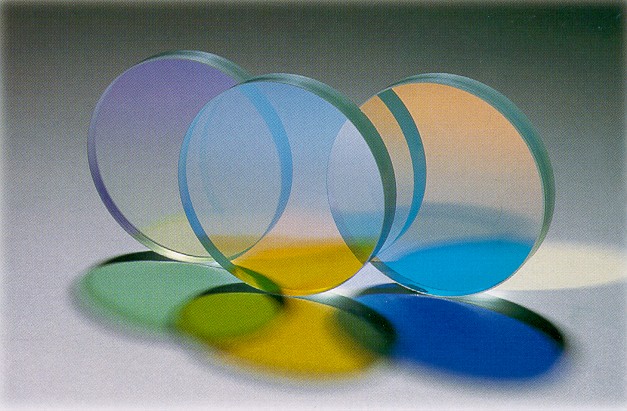
Common transparent materials include clear glass, many plastics, water and gases. The visible color of a transparent object results from selective absorption or scattering across the spectrum; for example, impurities or dissolved ions produce colored glass and filters. Optical components like a lens or an optical filter are transparent by design but change the direction, focus, or wavelength composition of transmitted light. The degree of transparency also depends on wavelength: some substances transparent to visible light absorb ultraviolet or infrared radiation.
Biological transparency
Several animals and small organisms exploit transparency as camouflage. Marine creatures such as many jellyfish maintain low-contrast bodies so predators and prey have difficulty seeing them; a well-known example is the jellyfish. Biological transparency is achieved by minimizing scattering (for example, by matching refractive indices of tissues) and by thinning pigmented layers. Transparency is more effective in environments where light levels, background contrast and viewing angles reduce detection by predators—factors linked to the amount and direction of light in a habitat.
History, development and applications
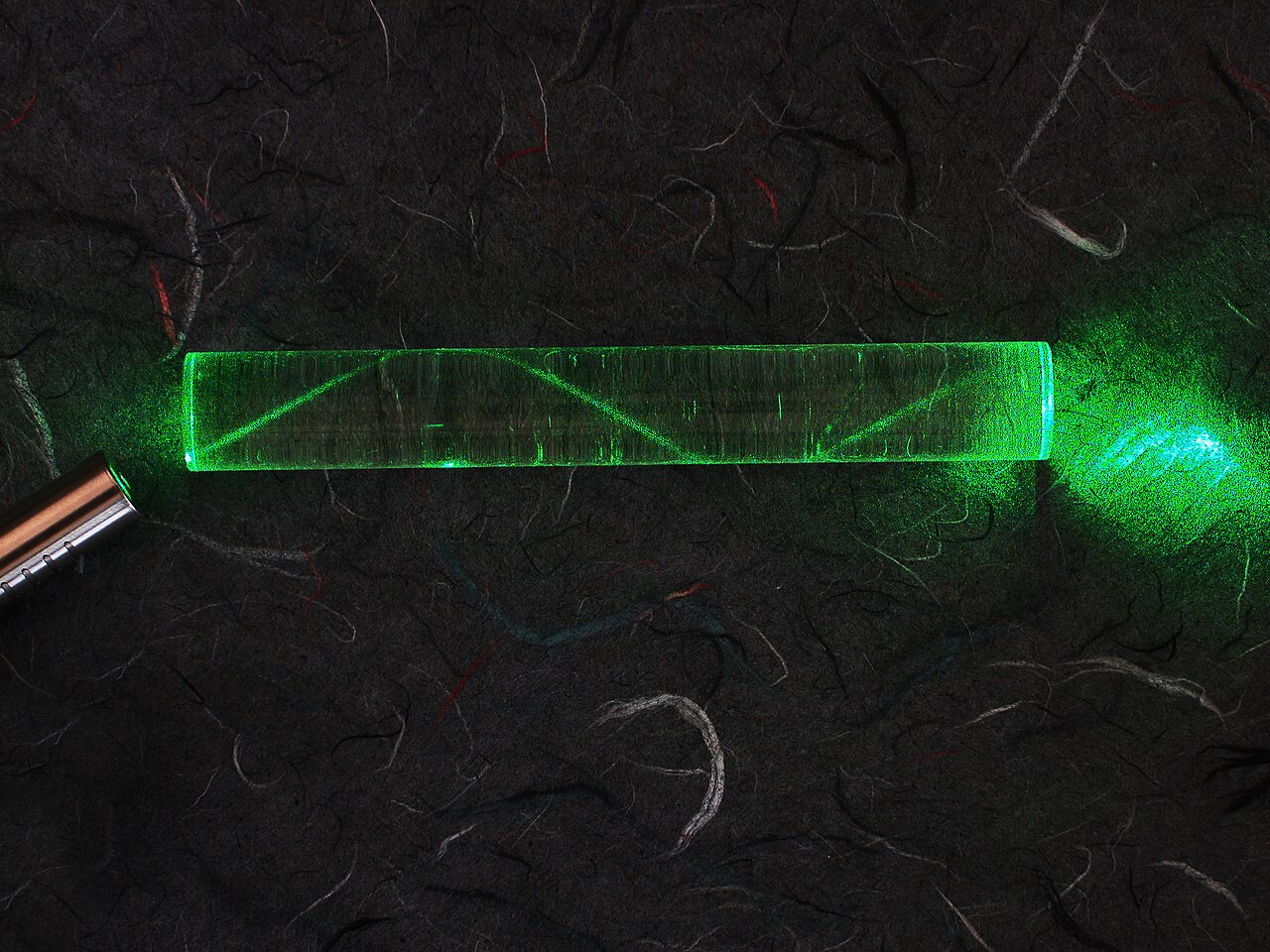
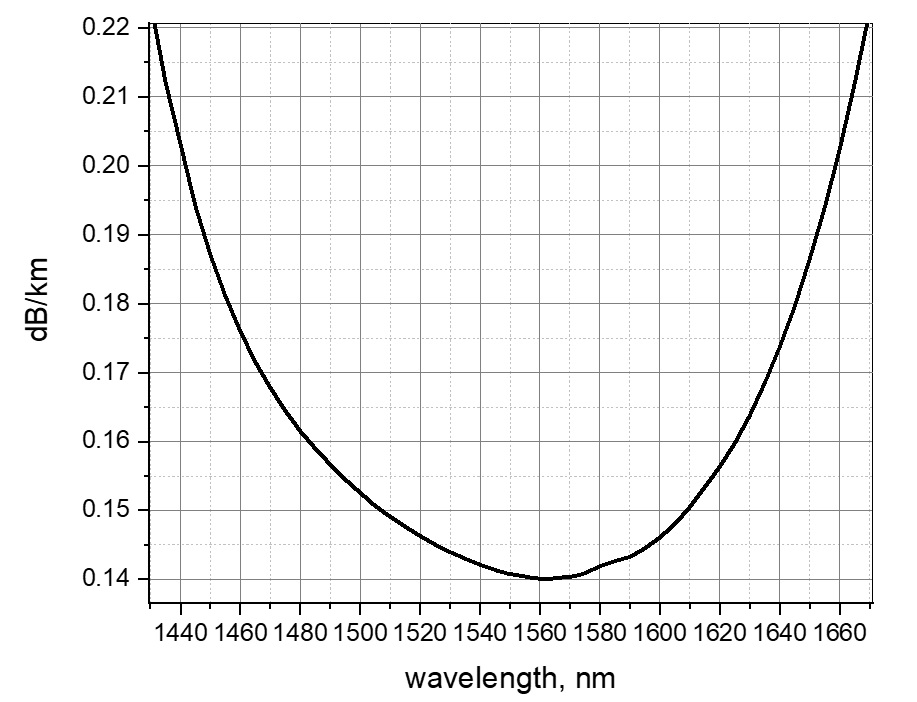
Humans have manipulated transparent materials for millennia: early glassmaking produced beads and vessels in ancient civilizations, and techniques evolved to make larger panes and clearer glass. Industrial advances in the 19th and 20th centuries improved optical quality and enabled flat glass for windows and precise lenses. Modern technologies rely on transparent materials for a wide range of uses: windows and eyeglasses, camera and microscope optics, animals observation tanks, light guides and fibers that transmit information across long distances, and transparent conductive coatings used in displays and solar cells.
Distinctions and notable facts
Three commonly used terms describe transmission: transparent (clear image), translucent (diffuse image) and opaque (no transmission). Transparency is wavelength-dependent and can be engineered: frosted glass increases scattering, polarizers and filters alter polarization and spectrum, and layered or nano-structured surfaces can reduce reflection. Apparent transparency also depends on illumination and observer conditions—bright glare, surface contamination, or microscopic defects can make an otherwise transparent material appear cloudy. For further technical reading see introductory texts on optics or specialized sources on material science and biological camouflage (property summaries and reviews available through research overviews).
- Examples of transparent uses: windows, optical lenses, fibers, protective covers.
- Factors reducing transparency: absorption, scattering, surface reflection and impurities.
- Biological examples: jellyfish, some plankton, transparent frog tissues and larval stages.
Questions and answers
Q: What is transparency in optics?
A: Transparency is the property of allowing light to pass through something in optics.
Q: How do you define an object that is transparent?
A: An object that is transparent can be seen through.
Q: What is the opposite of transparency?
A: The opposite of transparency is opacity.
Q: Give an example of a transparent animal.
A: An example of a transparent animal is the jellyfish.
Q: How does transparency work better in places with less light?
A: Transparency works better in places with a small amount of light than in places with lots of light.
Q: Can the image seen through a transparent object change?
A: Yes, the image seen through a transparent object can change if the object behaves like a lens or an optical filter, which could change the size, shape, or color of the image.
Q: Why would some animals develop transparency as an adaptation?
A: Some animals, like the jellyfish, develop transparency as an adaptation to make it harder for predators to see them.
Related articles
Author
AlegsaOnline.com Transparency (optical properties of materials) Leandro Alegsa
URL: https://en.alegsaonline.com/art/101184