
Administrative divisions of Croatia: counties, cities, municipalities, and settlements
Structured overview of Croatia's administrative system: first-level counties (including Zagreb), second-level cities and municipalities, and their settlements and local subunits.
Overview
Croatia's public administration is organized into a hierarchy of territorial units that balance regional administration and local self-government. At the top level are the country's counties and one special city-county. Below them are local units—cities and municipalities—each composed of one or more settlements. This article explains the main categories, how they relate to one another, and the common subunits used for local representation and statistical purposes. For a general legal and administrative description, see the official page on administrative divisions of Croatia.
Image gallery
6 Images


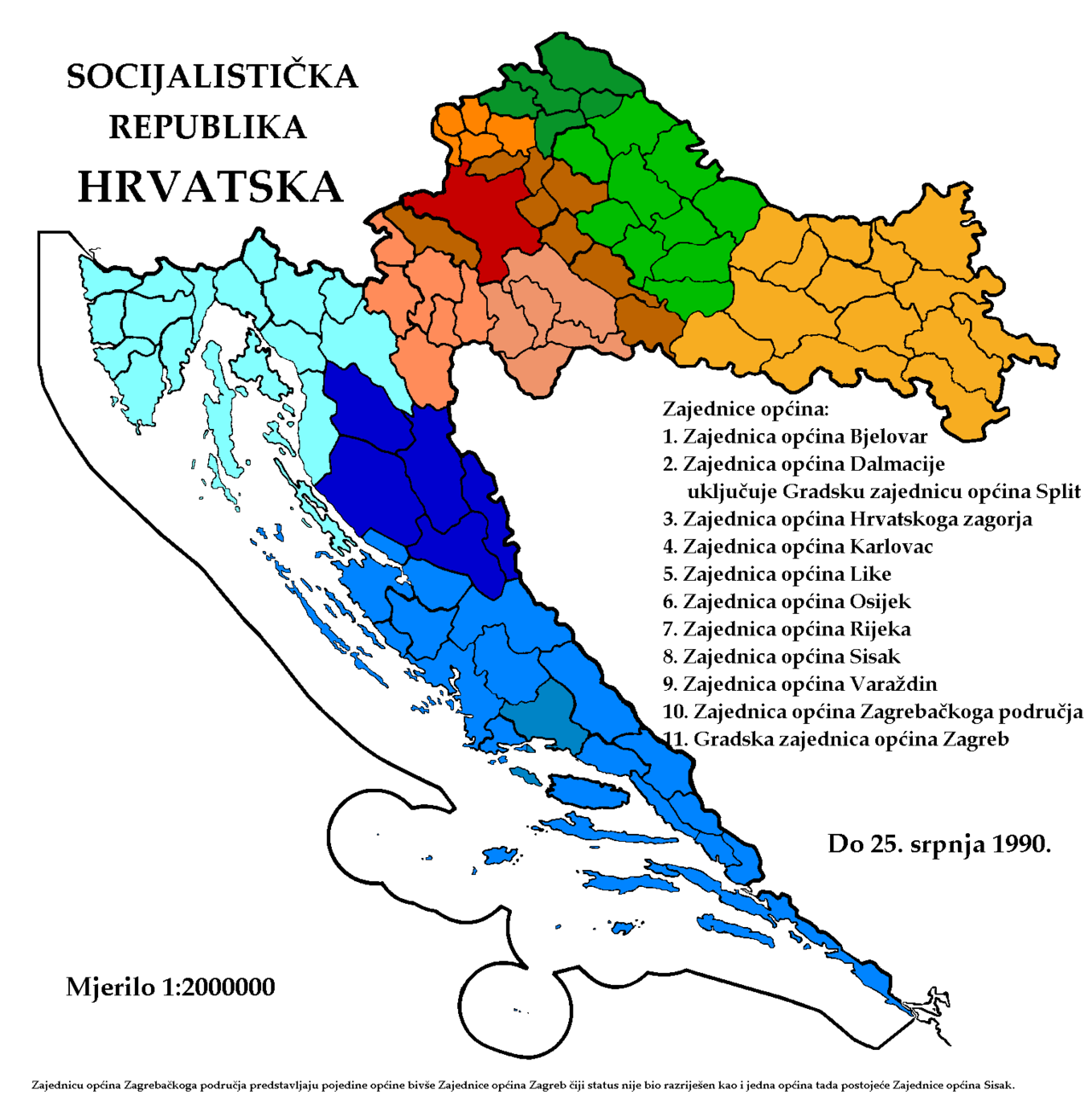

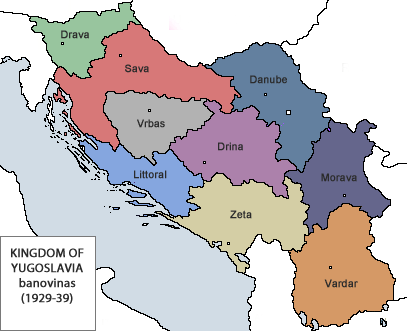
Primary level: counties and the City of Zagreb
Croatia is divided into twenty counties (Croatian: županije) plus the City of Zagreb, which has a dual role as both a city and a county-level unit. Counties are regional units that coordinate certain public services, regional development, education at the regional level, and infrastructure planning. Each county has an assembly and an executive, and counties form part of the state's decentralized administration. For a list of the counties and their seats, consult the county index at counties.
Second level: cities and municipalities
The next tier consists of cities (grad, pl. gradovi) and municipalities (općina, pl. općine). Both are units of local self-government with elected councils and executives; the distinction is generally based on population size, urban character, and economic role: cities tend to be more urbanized and to provide a wider range of services, while municipalities are often more rural. A single county contains many cities and municipalities, each responsible for local matters such as primary-level public services, spatial planning at the local level, and public utilities.
Settlements and submunicipal units
Municipalities and cities are composed of settlements (naselje, pl. naselja). Settlements are territorial and statistical units used in censuses and addresses but are not legal persons; they are similar in concept to census-designated places in other countries. Larger cities and some extensive municipalities subdivide into local administrative or representational bodies—commonly called gradski kotari (city quarters), gradske četvrti (city districts), or mjesni odbori (local committees)—to bring decision-making closer to neighbourhoods. Small municipalities frequently consist of a single settlement.
Functions and practical implications
The multi-level arrangement defines which authority handles which public function: counties focus on regional services and coordination, while cities and municipalities manage most day-to-day local affairs. The arrangement affects taxation, public investment, education, and infrastructure maintenance. The practical result is a mix of elected bodies and appointed officials working at different scales to deliver public services to residents.
Historical notes and distinctions
The terminology reflects long-standing administrative traditions: the word for county, županija, has historic roots in the medieval period. The City of Zagreb's dual status makes it unique in the system because it performs tasks typical of both a municipality and a county. For an international comparison on how settlements are treated in censuses, see the analogous concept of census-designated places in the United States at US CDP comparison. Further official resources and regional profiles can be found through government portals and regional offices; an overview resource is available at Zagreb city and county information and broader administrative references at county registry.
Note: This summary focuses on the structural and functional aspects of Croatia's territorial organization and avoids legal technicalities and exhaustive statutory detail. For precise legal definitions and the most recent administrative changes consult official legislative sources and government publications.
Questions and answers
Q: How many administrative divisions are there in Croatia?
A: There are 21 administrative divisions of Croatia on the first level, consisting of 20 counties and one city-county.
Q: What is the name of the city-county in Croatia?
A: The city-county in Croatia is Zagreb.
Q: What are settlements in Croatian administrative divisions?
A: Settlements in Croatian administrative divisions are like census designated places; they do not have legal entities themselves but can form gradski kotari, gradske četvrti or local committee areas (mjesni odbori).
Related articles
Author
AlegsaOnline.com Administrative divisions of Croatia: counties, cities, municipalities, and settlements Leandro Alegsa
URL: https://en.alegsaonline.com/art/1011
Sources
- sabor.hr : The Constitution of the Republic of Croatia (consolidated text) - Croatian Parliament
- narodne-novine.nn.hr : "Zakon o područjima županija, gradova i općina u Republici Hrvatskoj"
- poslovni.hr : "Popovača dobila status grada"
- hgk.biznet.hr : "Gospodarski profil Grada Zagreba i Zagrebačke županije"
- uprava.gov.hr : "Popis gradova i općina"