
Trampolining: sport, technique, competition formats, and history
Comprehensive overview of trampolining: apparatus, technique, competition formats (individual, synchronized, double mini), scoring, history, training, safety and governing bodies.
Overview
Trampolining is a competitive acrobatic sport in which athletes perform aerial skills while rebounding on a taut trampoline bed. Routines combine height, rotation and body control to execute somersaults, twists and posed bounces. Athletes are judged on technical execution, the difficulty of elements, time spent in the air and control of their position on the bed. The sport exists at recreational and elite levels and has been part of the Olympic programme for individual trampoline since 2000. For the Olympic context see the broader Olympic programme.
Image gallery
7 Images


Equipment and basic technique
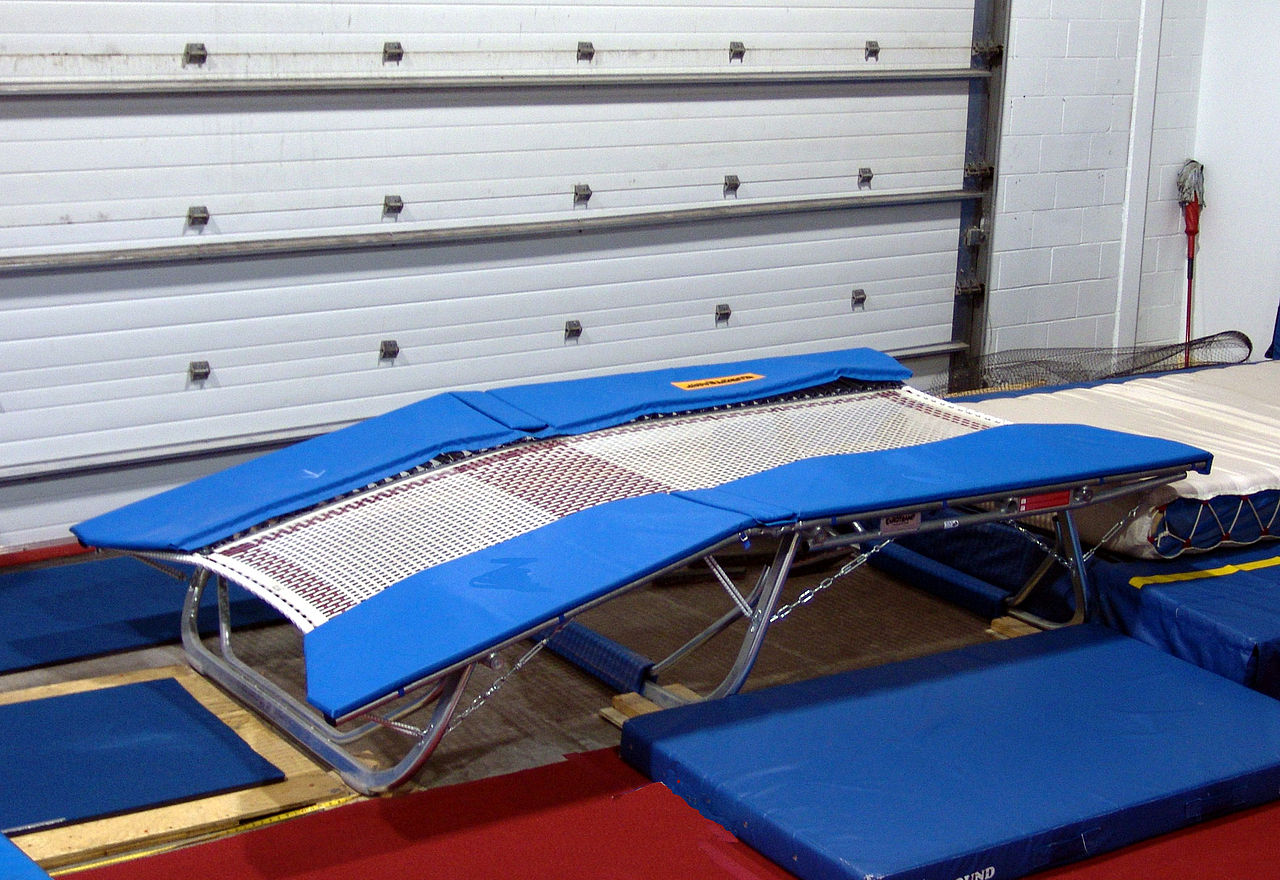
A competition trampoline comprises a rectangular or square steel frame, a woven fabric bed and a system of springs or elastic rods that attach the bed to the frame. Modern competition trampolines are tuned to provide predictable, efficient rebound and consistent take-off height. Athletes convert stored spring energy into vertical lift through coordinated extension of hips, knees and ankles, timing their take-off to initiate rotations and twists.
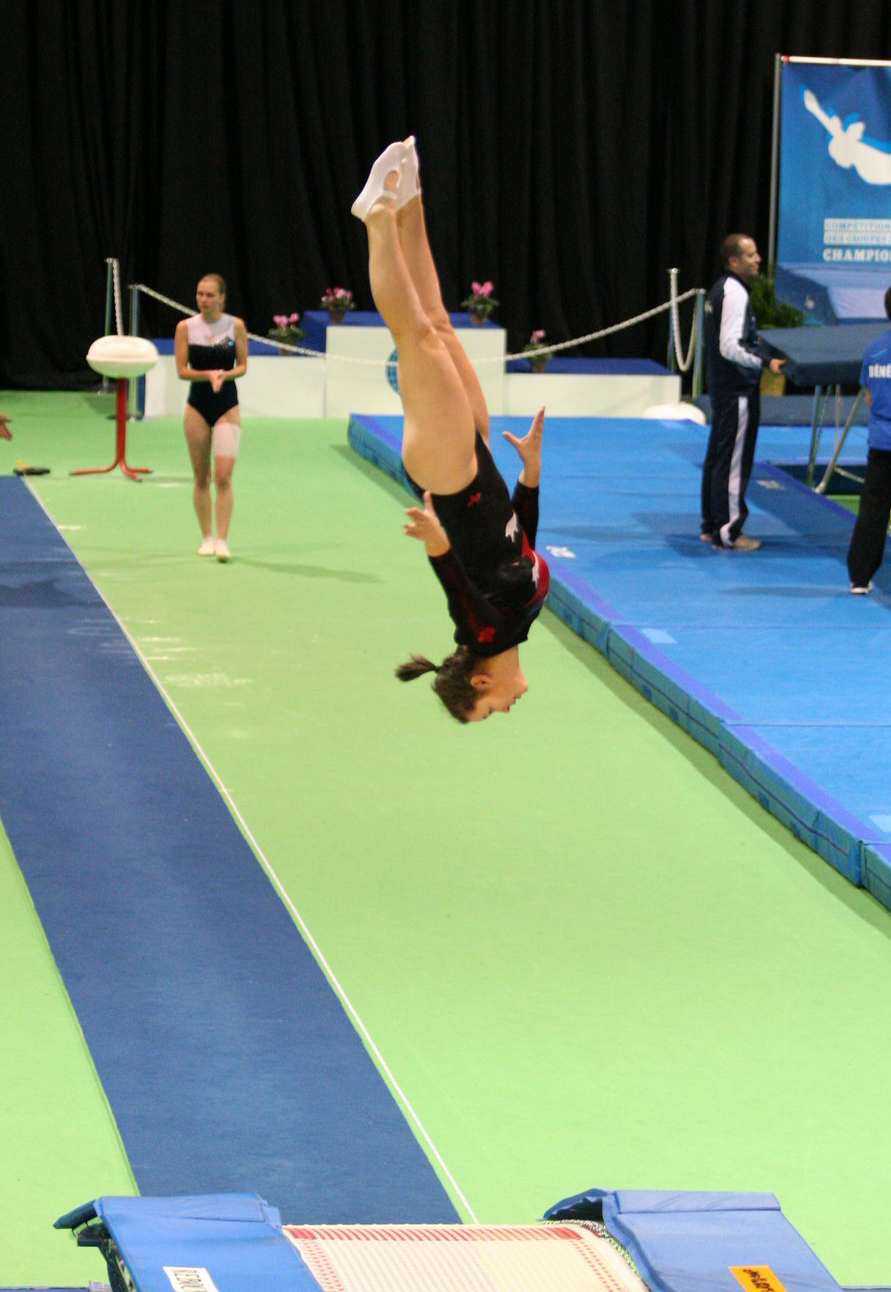
Common body positions during aerial skills include tuck, pike and straddle. Precision in take-off direction, body alignment during rotation and controlled landings are central technical goals. Beginner training emphasizes posture, rebound rhythm and simple seat, kneel and front bounces before progressing to complex twisting and somersaulting elements.
Competitive formats and related disciplines
Competitive trampolining includes several events and formats, each with distinct rules and judging priorities:
- Individual trampoline: athletes perform full routines of linked elements evaluated for difficulty and execution. The individual event is featured at major international competitions and the Olympics.
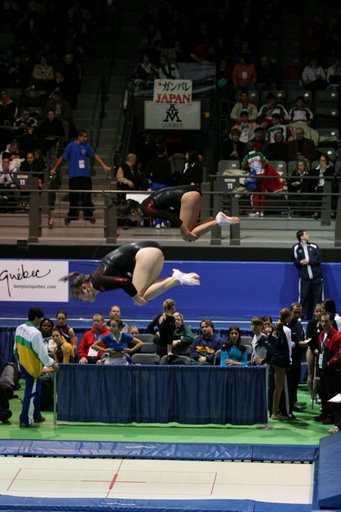
- Synchronized trampoline: two athletes perform the same routine on adjacent trampolines with the additional requirement of timing their actions to match; synchronization is a scored component in addition to individual execution. See descriptions of the synchronized format.
- Double mini-trampoline: competitors use a small two-stage trampoline—an angled mount section and a flat dismount section—combined with a run-up to perform two connected skills, judged for form and landing control. Background information appears under double mini description.
- Other rebound sports: tumbling and similar disciplines use sprung tracks or other apparatus to execute runs of flips and twists; they share technical foundations with trampoline but differ in equipment and scoring emphases. See comparative notes on related rebound sports.
Routines, scoring and rules
At senior international level, an individual trampoline routine commonly comprises a fixed number of consecutive skills performed without interruption. Scores combine multiple components:
- Execution: judges assess technique and deduct for faults such as bent knees, poor body shape or unstable landings.
- Difficulty: a numerical value summing the predefined complexity of each skill in the routine.
- Time of flight: a measurement of total airborne time during the routine that rewards higher, sustained jumps.
- Horizontal displacement: penalties for moving away from the centre of the trampoline bed, encouraging centered rebounds and control.
Competitions usually use a qualification phase and finals, with set (compulsory) and voluntary routines required in certain formats. For official competition rules and event formats consult the sport's regulatory materials and competition guides at competition formats and the international governing body pages at official federation.
History and development
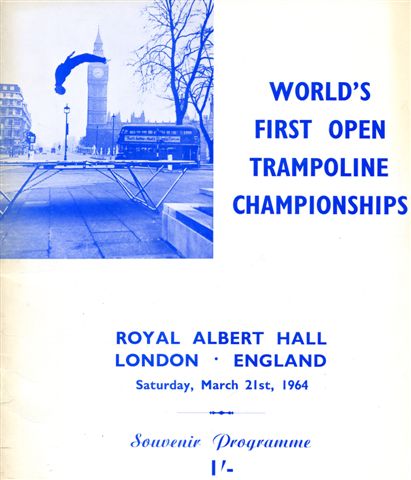
Trampolining developed from recreational bouncing and circus acrobatics into an organized sport during the 20th century. Standardization of equipment, formal judging criteria and the establishment of international championships helped the discipline grow. The adoption of individual trampoline into major multi-sport events elevated technical standards and professional coaching methods. For historical overviews and milestones, consult general sport history resources at sport history sources.
Training, coaching and athlete development
Training programs emphasize progressive skill acquisition, strength and conditioning, spatial awareness and air sense. Coaches use drills, conditioning circuits, trampoline-specific strength work and cross-training to develop power and control. Progressions often include harness work and spotting for complex elements, and many programs incorporate video review and timing devices to refine technique and synchronization in pair events.
Safety and risk management
Safety practices for competitive trampolining include properly certified competition equipment, perimeter padding, trained spotters during skill progression, routine equipment maintenance and restricted access to apparatus during practice. Recreational trampolines differ from competition equipment and carry specific risk profiles; safety guidelines recommend supervision, use of safety nets where appropriate and age-appropriate instruction. For detailed guidance on safe practice see official safety resources at safety guidance.
Governing bodies and major competitions
The discipline is governed internationally as part of broader gymnastics structures; national federations organize talent pathways, national events and selection for international competitions. Major events include world championships and multi-sport games that feature trampoline, synchronized and double mini events, with rules and entry standards set by the recognized governing bodies.
Recreational use and cultural impact
Beyond elite sport, trampolines are widely used for general fitness, physical education and recreational play. Trampoline skills contribute to training in other acrobatic sports and have influenced performance arts and stunt work. Continued developments in equipment, judging technology and coaching aim to balance athlete performance with long-term health and safety.
Questions and answers
Q: What is trampolining?
A: Trampolining is a competitive Olympic sport in which gymnasts perform airborne acrobatics while bouncing on a trampoline.
Q: What are some of the moves that can be performed in trampolining?
A: Some of the moves that can be performed in trampolining include simple jumps in the pike, tuck or straddle position to more complex combinations of forward or backward somersaults and twists.
Q: What are the two related competitive rebound sports to trampolining?
A: The two related competitive rebound sports to trampolining are synchronized trampoline and double mini-trampoline.
Q: What is the basic format for individual trampoline competitions?
A: The currently accepted basic format for individual trampoline competitions usually consists of two or three routines, one of which may involve a compulsory set of skills.
Q: What are the skills that make up a trampoline routine?
A: The skills that make up a trampoline routine consist of various combinations of somersaults, shaped bounces, body landings and twists performed in various body positions.
Q: Can you perform any type of move during a trampoline routine?
A: No, some routines may involve a compulsory set of skills that need to be performed.
Q: Is trampolining only done in Olympic competitions?
A: While trampolining is an Olympic sport, it can also be done recreationally and competitively outside of the Olympics.
Related articles
Author
AlegsaOnline.com Trampolining: sport, technique, competition formats, and history Leandro Alegsa
URL: https://en.alegsaonline.com/art/101083
Sources
- youtube.com : You Tube video of Jason Burnett's 20.6 DD routine in training
- brentwoodtc.org : "Back to Basics"