
Trampoline: design, history, uses and safety
An accessible guide to trampolines covering construction, history, sporting and recreational uses, health benefits, safety practices, and common variations.
Overview
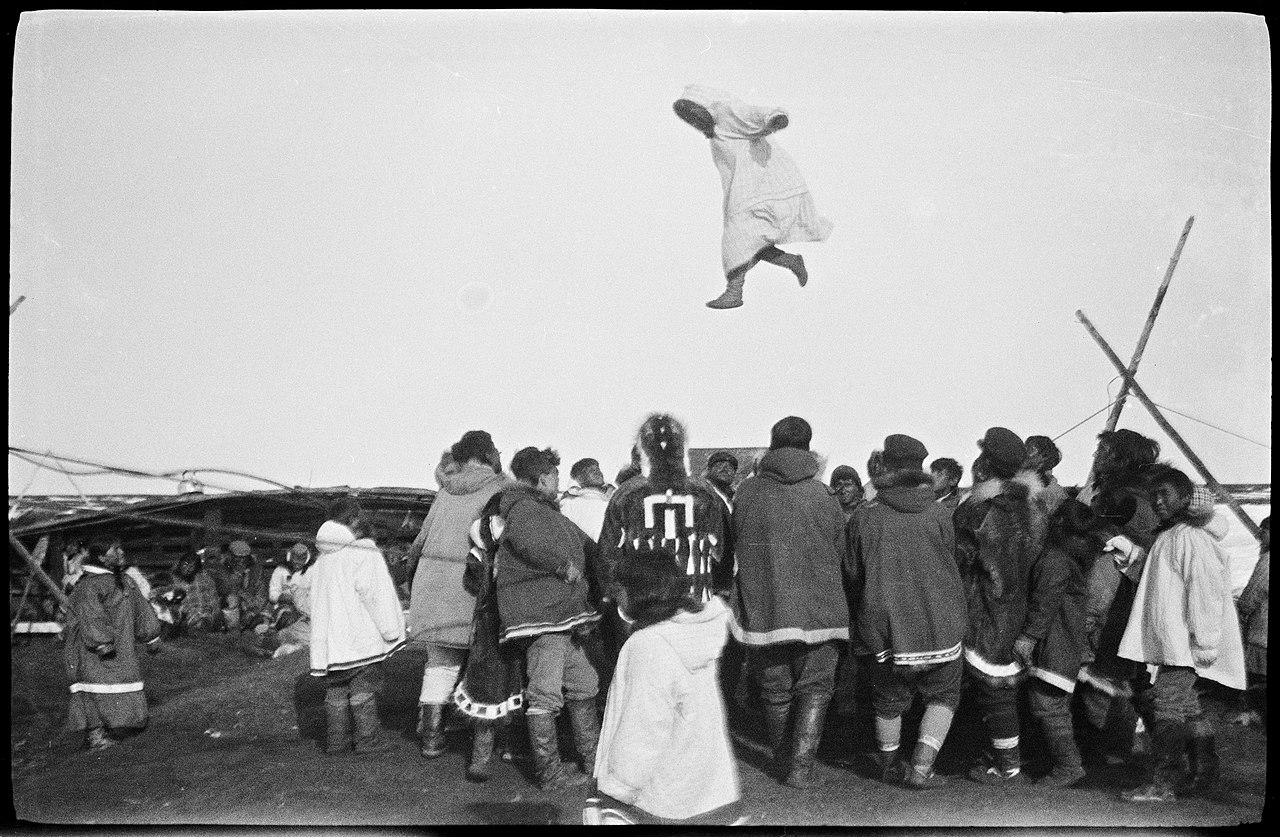
A trampoline is a device that produces rebound when a person jumps on its taut surface. It is used both as a recreational activity and as organized competition. Modern trampolines convert the kinetic energy of a falling body into stored elastic energy and then return much of that energy to propel the jumper upward. Design and scale vary widely, from small exercise models to large performance beds used in sport.
Image gallery
10 Images




Construction and principal parts
Most trampolines share a few common components: a rigid support, a flexible jumping area, and some form of elastic connection between them. Typical elements include:
- Frame: a metal structure that defines the shape and supports the system; frames can be rectangular or circular.
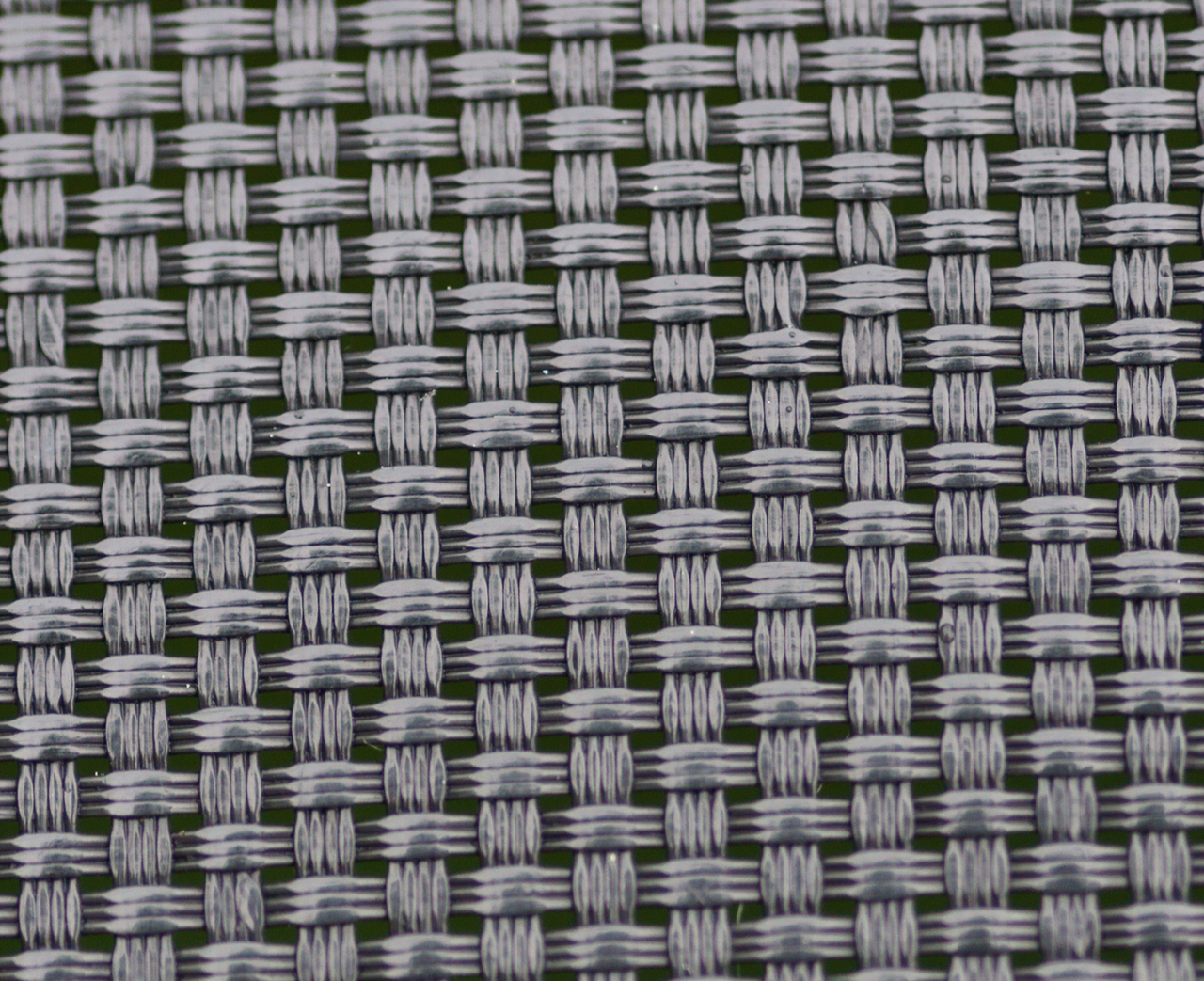
- Jumping surface: a woven or mesh fabric designed to resist tearing; often referred to as the jumping surface.
- Elastic elements: steel coil springs or modern elastic bands and padding that connect the mat to the frame.
- Safety features: pads that cover springs and optional net enclosures to reduce the risk of falling off the bed.
History and development
The concept of bouncing on a flexible surface has deeper roots, but the modern recreational trampoline was popularized in the early 20th century. Inventors and gymnasts adapted the device for training in gymnastics, and its use expanded through the mid-20th century. During World War II, devices resembling trampolines were used in pilot training to practice body orientation, and instructors trained pilots on spatial awareness. Later, similar methods contributed to exercises used in astronaut training to simulate changing body positions for early spaceflight programs.
Uses, benefits and examples
Trampolines serve recreational, athletic and therapeutic purposes. Recreational use ranges from backyard play to indoor trampoline parks, while competitive formats include individual and synchronized routines judged for difficulty and execution. Fitness classes use small trampolines for low-impact cardio, and physical therapists sometimes incorporate controlled rebound work into rehabilitation. Benefits commonly cited include improved cardiovascular fitness, coordination, balance and proprioception.
- Recreational jumping and leisure activities.
- Competitive gymnastics and acrobatics events.
- Fitness classes and low-impact conditioning.
- Motor-skill and vestibular training in clinical settings.
Safety, maintenance and regulations
While trampolines can be safe when properly installed and supervised, they are also associated with injuries when users collide, fall off, or attempt complex maneuvers without training. Recommended precautions include appropriate padding, net enclosures, adult supervision, clear rules about single-user jumping, and regular inspection of springs, frame connections, and the jumping mat. Manufacturers and local authorities may issue standards or guidance for commercial and residential installations.
Variations and notable distinctions
Designs range from small, individual fitness trampolines (often called rebounders) to Olympic-grade rectangular beds used in competitive trampolining. Springless designs use flexible rods or other elastomers to create bounce and can reduce some pinch hazards. Trampoline parks combine multiple beds and special surfaces for games and classes; these venues have led to new safety and operational practices. When choosing a trampoline, consider intended use, available space, quality of materials, and any applicable standards or certifications.
Questions and answers
Q: What is a trampoline?
A: A trampoline is a device designed for users to bounce on, typically consisting of a metal frame supporting a jumping surface connected by springs.
Q: How does a trampoline work?
A: Trampolines allow users to bounce higher by storing energy in the springs as they land on the surface, which then accelerates the user back away from the jumping surface as the springs contract.
Q: Who invented the modern trampoline?
A: The modern trampoline was invented by George Nissen in 1920-1922 as a kind of equipment for gymnastics.
Q: Who used trampolines during World War II?
A: The United States Navy Flight School developed the use of trampolines in its training of pilots and navigators during World War II.
Q: What was the benefit of using trampolines in astronaut training programs?
A: The use of trampolines in astronaut training programs gave American and Soviet astronauts experience of variable body positions in flight.
Q: What material is commonly used for the jumping surface of a trampoline?
A: The jumping surface of a trampoline is typically made of a strong synthetic fabric material, or a mesh design.
Q: What shape can the frame of a trampoline be?
A: The frame of a trampoline can be rectangular or circular in shape.
Related articles
Author
AlegsaOnline.com Trampoline: design, history, uses and safety Leandro Alegsa
URL: https://en.alegsaonline.com/art/101082
Sources
- commons.wikimedia.org : Trampolines
- brentwoodtc.org : "Trampoline history"
- wvtc.co.uk : WestView Trampoline Community site - Trampoline History p.4