
Tour of Flanders (Ronde van Vlaanderen)
A major one-day professional cycling classic in Flanders, Belgium. Held each spring, known for short steep cobbled climbs, a passionate local following, and status as one of cycling's five monuments.
Overview
The Tour of Flanders is a premier one-day road cycling race held every spring across the Flemish region of Belgium. Part of the UCI World Tour, it is one of the five monuments of professional cycling and carries enormous sporting and cultural importance for the people of Flanders. Riders and fans often call it by its Dutch nickname, Vlaanderens mooiste, which translates as "Flanders' finest." The event traditionally takes place a week before Paris–Roubaix and forms a central pillar of the spring classics season.
Image gallery
10 Images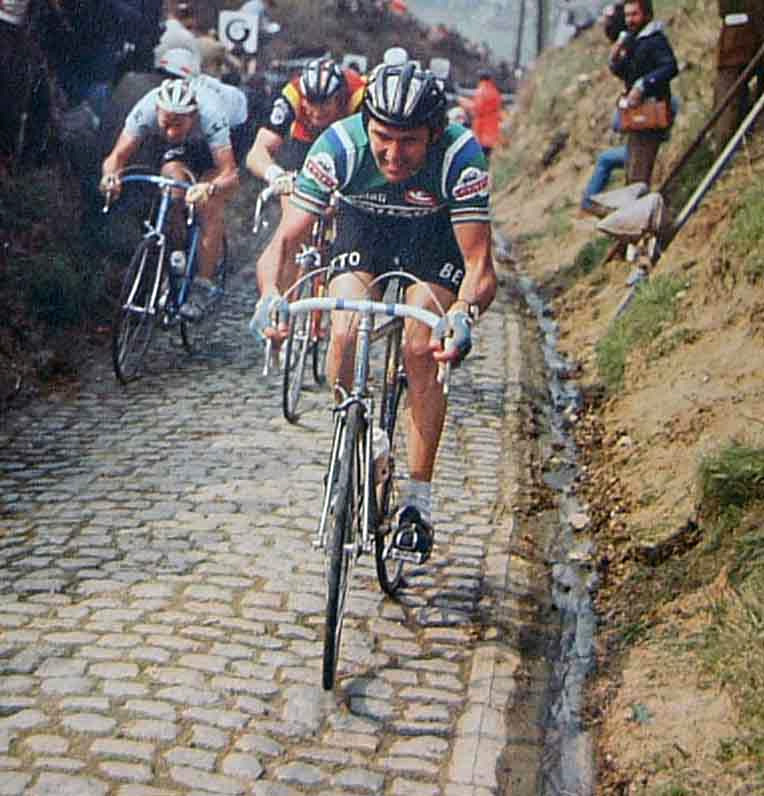


Course characteristics and racing style
The race is famous for its sequence of short, steep climbs often surfaced with cobblestones and narrow, twisting country roads. These climbs — locally called "bergs" — are where the race is most often decided: accelerations on steep ramps, narrow passages that force riders into single-file, and cobbled sectors that increase the chance of punctures and mechanical problems shape the tactics. Classic climbs that frequently feature in modern editions include the Oude Kwaremont, the Paterberg and the Koppenberg, and many other named ascents form a chain of selective challenges.
Teams plan for aggressive racing: domestiques shelter leaders early on, while contenders attempt repeated attacks on the hills to split the peloton. Weather is also a decisive factor; wind, rain and cold Flemish springs can turn the event into a brutal endurance test rather than a controlled tactical contest.
History and development
The race dates back to the early 20th century, with its first edition run in 1913. The original start and finish locations have moved several times: the early race began in Ghent with finishes nearby, and over the decades organizers have altered the route to reflect logistical needs and to highlight particular climbs. In 2012 the event adopted a route that starts in Bruges and finishes in Oudenaarde, a change that established a modern, spectator-friendly layout while preserving the traditional Flemish terrain. The race is organized by the regional cycling body now commonly associated with Flanders Classics, which coordinates several major Flemish races.
Significance, notable winners and legacy
Winning the Tour of Flanders is a career-defining achievement for classics specialists. Over time a number of riders have gained legendary status through repeated success on these roads; multiple victors include some of the sport's best-known classics riders. The event also inspired a separate women's edition, reflecting the growing prominence of women's professional cycling and the desire to showcase the same iconic climbs and dramatic racing for female competitors.
Key facts and how the race is contested
- Type: one-day monument on the professional calendar (UCI World Tour).
- Terrain: rolling Flemish countryside with numerous steep, often-cobbled climbs and short flat cobbled sections.
- Timing: spring classics season, traditionally held one week before Paris–Roubaix.
- Tactics: aggressive, selective racing with teams protecting leaders until decisive climbs.
The Tour of Flanders combines sporting drama with regional identity: it is as much a celebration of Flemish cycling culture as it is a high-stakes competition. Spectators line the climbs in rural villages, and the race receives widespread international television coverage and extensive media attention within Belgium and beyond, making it one of the most watched and eagerly anticipated events of the spring cycling calendar.
Questions and answers
Q: What is the Tour of Flanders?
A: The Tour of Flanders is a road cycling race held in Belgium every spring.
Q: When is the Tour of Flanders held?
A: The Tour of Flanders is held in spring, one week before the Paris–Roubaix road race.
Q: What is the significance of the Tour of Flanders?
A: The Tour of Flanders is part of the UCI World Tour and is one of the most important cycling races in Flanders. It is also considered one of the monuments of the European professional calendar.
Q: What is the nickname of the Tour of Flanders?
A: The nickname of the Tour of Flanders is Vlaanderens mooiste, which is Dutch for "Flanders' finest".
Q: How has the Tour of Flanders changed since it began in 1913?
A: The Tour of Flanders has changed its starting and ending cities twelve times since it began in 1913. In 2012, the race starts in Bruges and ends in Oudenaarde.
Q: What makes the Tour of Flanders challenging?
A: The Tour of Flanders has a number of short, sharp hills that make the race very challenging. The race also awards prizes to the first cyclist to go up 17 of these hills.
Q: What is Sean Kelly's perspective on the Tour of Flanders?
A: Sean Kelly, a former professional cyclist, describes the Tour of Flanders as one of the most horrible races to ride but one of the greatest races to win.
Related articles
Author
AlegsaOnline.com Tour of Flanders (Ronde van Vlaanderen) Leandro Alegsa
URL: https://en.alegsaonline.com/art/100879
Sources
- uk.eurosport.yahoo.com : Ronde van Vlaanderen - Flanders by numbers, 9 May 2007, uk.eurosport.yahoo.com