
Tour of Britain (professional cycling stage race)
A multi-stage professional cycling race across Great Britain. First run in 1951 and revived as a modern stage race in 2004, it is part of the UCI Europe Tour and showcases regional roads and teams.
Overview
The Tour of Britain is a multi-day road cycling stage race held across the nations of the United Kingdom. Routes travel through parts of Great Britain, linking towns and cities and combining flat, rolling and hilly terrain. The event is organized as a professional stage race and is included on the UCI's European calendar, attracting domestic squads and international professional teams.
Image gallery
3 Images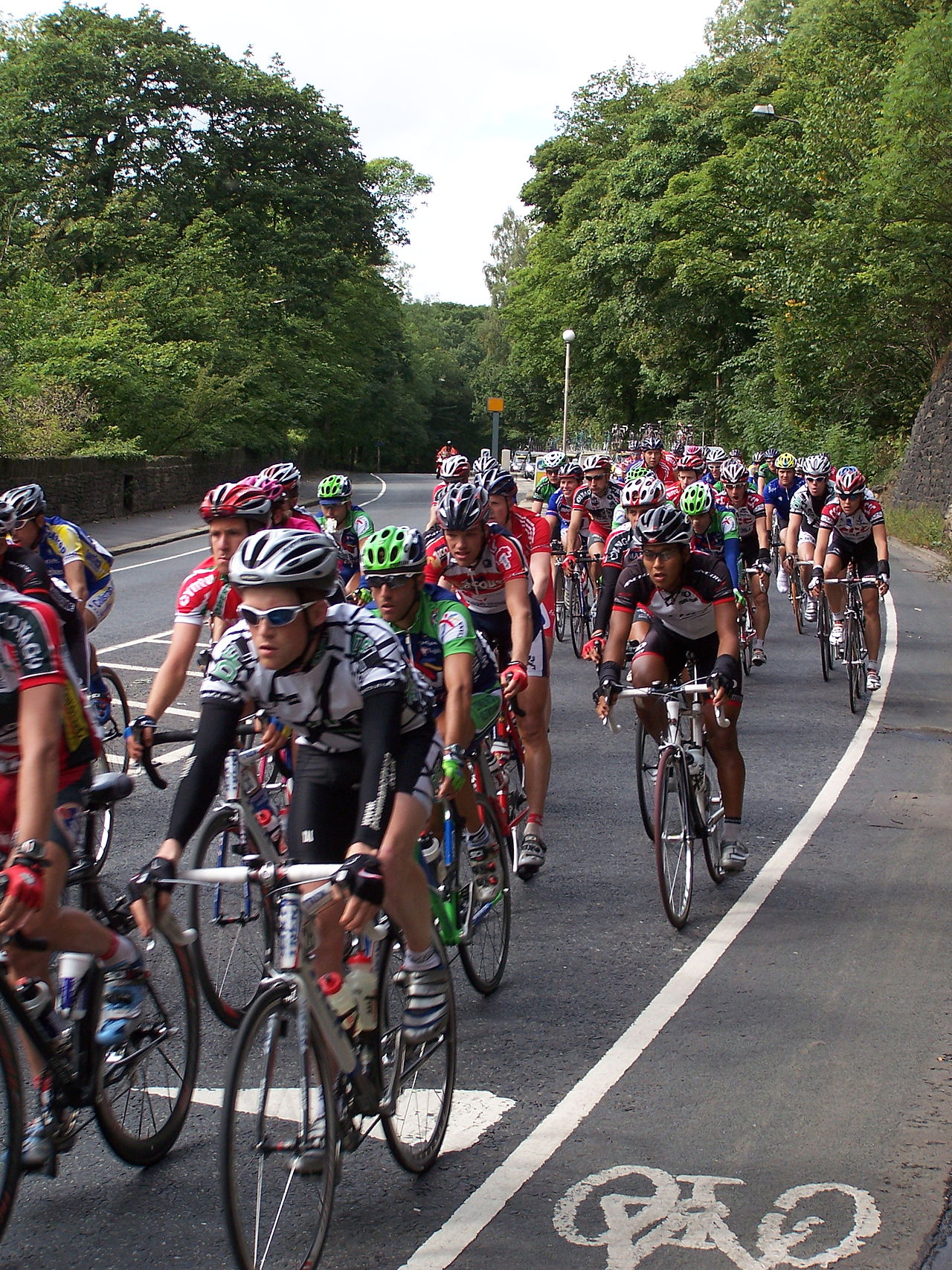


Format and characteristics
As a stage race, the Tour of Britain typically consists of several consecutive days of competition. Typical components include:
- Multiple stages that may feature sprints, individual time trials, and hillier summit finishes.
- General classification determined by lowest cumulative time, plus secondary jerseys for points and climbing.
- Participation by professional trade teams and national or regional selections, with teams often composed of six to eight riders.
History and development
Races under the name first appeared in the mid-20th century, with origins commonly dated to 1951. Over decades the event has taken several forms: one-day events, multi-stage formats, and occasional breaks in continuity. The modern professional incarnation was re-established and standardized in the early 21st century, with the current version commonly cited as beginning in 2004, when organizers created a repeatable stage format aligned with international cycling calendars.
Teams and participation
The race has featured a mix of British regional teams and visiting international squads. Regional entries have included teams from Scotland and Wales, as well as composite British selections. In some recent editions there has been no separate English-registered team entry, though riders from England compete on other teams and trade squads; this situation has varied from year to year (England reference). High-profile international teams have also taken part, for example prominent continental and WorldTour squads in past years.
Significance and impact
The Tour of Britain plays several roles in national and international cycling. It offers a platform for British riders to compete against international opposition, helps to promote regions and tourism by routing stages through diverse landscapes, and provides racing opportunities that contribute to rider development. Media coverage and spectator turnout have grown alongside Britain’s increasing presence in professional cycling, making the event an important fixture on the domestic calendar.
Notable distinctions
Unlike single-day classics, the Tour of Britain tests consistency over multiple days and varied terrain. Its historical continuity is intermittent, but the modern series emphasizes structured staging and UCI classification. For further reading on editions, route maps and past winners, consult official and archival sources linked by organizers and cycling authorities.
Origins • 2004 revival • Official race information • Host nation • Great Britain routes • Scottish teams • Welsh teams • English participation
Winner (since 2004)
- 2004 Colombia
 Mauricio Ardila
 - 2005 Belgium
 Nick Nuyens
 - 2006 Denmark
 Martin Pedersen
 - 2007 France
 Romain Feillu
 - 2008 France Geoffroy Lequatre
- 2009 Norway
 Edvald Boasson Hagen
 - 2010 Switzerland
 Michael Albasini
 - 2011 Netherlands
 Lars Boom
 - 2012 Australia
 Nathan Haas(1)
 - 2013 United Kingdom
 Bradley Wiggins
 - 2014 Netherlands Dylan van Baarle
- 2015 Norway Edvald Boasson Hagen
- 2016 United Kingdom Steve Cummings
- 2017 NetherlandsLars Boom
- 2018 France Julian Alaphilippe
- 2019 Netherlands Mathieu van der Poel
(1) Jonathan Tiernan-Locke (Great Britain) was disqualified from overall victory due to discrepancies in his biological passport.
Individual discharges
Tour of Britain 2004
The first edition of the new Tour of Britain took place over five days at the end of September. The Tour culminated in a 72-kilometer criterium through London. Tens of thousands of spectators saw a long breakaway attempt by local rider Bradley Wiggins. He was caught by the peloton on the final lap and Team Barloworld's Enrico Degano won the bunch sprint. Colombian Mauricio Ardila took the overall victory.
Tour of Britain 2005
The second edition in 2005 was held in six stages. The start was in Glasgow on 30 August and the finish was in London on 4 September.
| Start | Destination | Winner | |
| Stage 1 | Castle Douglas | Nick Nuyens | |
| Stage 2 | Roger Hammond | ||
| Stage 3 | Luca Paolini | ||
| Stage 4 | Serguei Ivanov | ||
| Stage 5 | Nick Nuyens | ||
| Stage 6 | Luca Paolini |
The overall winner was Nick Nuyens.
Tour of Britain 2006
→ Main article: Tour of Britain 2006
Questions and answers
Q: What is the Tour of Britain?
A: The Tour of Britain is a cycle race held in the United Kingdom where racers travel from place to place across parts of Great Britain.
Q: When did the Tour of Britain begin?
A: The history of the Tour of Britain dates back to 1951.
Q: What is the UCI's European Tour?
A: The UCI's European Tour is a road cycling competition that takes place across multiple countries in Europe.
Q: What countries are represented in the Tour of Britain?
A: The Tour of Britain includes teams from Scotland and Wales, as well as a Great Britain team. Teams from outside the UK also compete, such as Team T-Mobile in 2007.
Q: Has there been an English team in recent years?
A: No, there has not been an English team entered in recent years.
Q: When did the professional stage race version of the Tour of Britain begin?
A: The professional stage race version of the Tour of Britain was first run in 2004.
Q: What kind of race is the Tour of Britain?
A: The Tour of Britain is a professional stage race where racers compete across multiple parts of Great Britain.
Related articles
Author
AlegsaOnline.com Tour of Britain (professional cycling stage race) Leandro Alegsa
URL: https://en.alegsaonline.com/art/100878