
Tornado drill: purpose, procedures, and best practices
A tornado drill is a practiced routine for moving people to safer areas during a tornado threat. This article explains typical steps, where and when drills occur, history, variations and safety tips.
Overview
A tornado drill is an organized exercise during which people rehearse actions they would take if a tornado threatened their area. Drills let building occupants practice moving quickly and safely to predetermined safe areas, following a signal such as an alarm or public address announcement. The exercise reduces confusion and improves the speed and effectiveness of an actual response.
Image gallery
5 Images


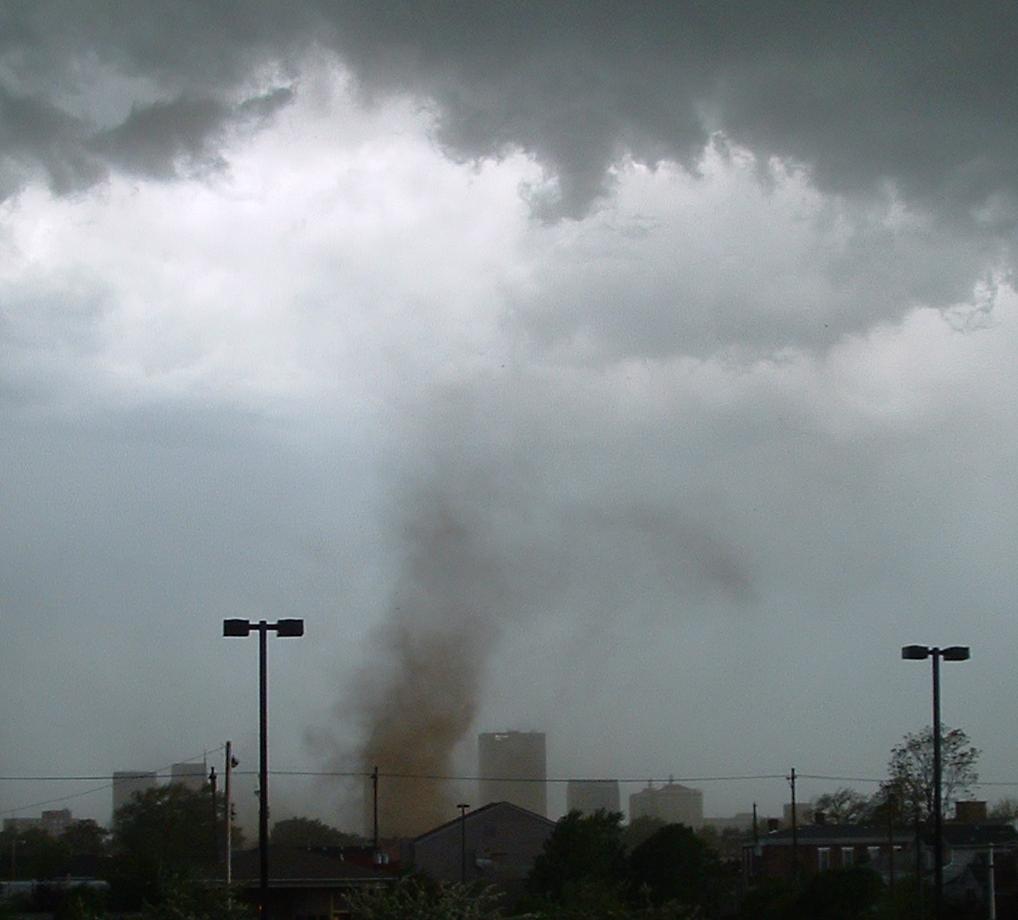

Typical procedures and safe positions
Most tornado drills begin with a clear warning signal. That might be a siren, an electronic alert, an alarm tone or a spoken message over an intercom. After the signal, participants move to locations chosen for protection from wind, debris and collapsing exterior walls. Common guidance includes:
- Choose interior rooms or hallways on the lowest floor, away from windows and exterior walls.
- Avoid large open rooms with high roofs, such as gymnasiums or auditoriums, unless those spaces have specifically designed shelters.
- Adopt a protective posture: kneel or sit, face down, and shield your head with your arms; if available, use helmets or mattresses for added protection.
Organizations often post maps showing routes to safe areas and assign staff to assist evacuation. Schools, offices and public buildings typically tailor procedures to the facility layout and the occupants’ needs. See regional guidance for specifics: tornado safety information.
Where and when drills occur
Tornado drills are commonly held in schools, workplaces, hospitals and community centers in regions with higher tornado frequency. They are more frequent in areas within so-called Tornado Alley and other tornado-prone zones. Some jurisdictions mandate drills for schools and childcare programs; others recommend them as part of an overall emergency plan. Examples of institutions that plan drills include elementary schools, universities and manufacturing facilities: school planning, workplace preparedness.
History and development
The practice of conducting tornado drills grew as meteorological forecasting and public warning systems improved during the 20th century. As communities learned that rapid sheltering greatly reduced casualties, drills became integrated into broader emergency management programs. Modern drills may also incorporate weather radios, mobile alerts and coordination with local emergency services to simulate realistic conditions: alert systems.
Variations, training and special considerations
Drills vary by region, building design and population served. Special procedures address mobility-impaired individuals, young children, and residents of high-rise buildings. Some sites use full-evacuation drills, while others practice simply moving to interior shelter areas and holding position until an "all clear." Schools often schedule drills less frequently than fire drills, but regular practice is recommended where tornado risk is significant: school drills guidance.
Importance and practical tips
Regular tornado drills build muscle memory so occupants respond quickly when a real event occurs. Tips for organizers include varying drill times to test different shifts, reviewing routes after each exercise, and coordinating with local emergency managers. Community preparedness resources explain regional differences in threat and sheltering advice: regional risk information and additional preparedness resources.
Effective drills combine clear communication, realistic practice and follow-up review. When people know the routes, safe positions and where to get help, the chance of injury during a tornado is reduced.
Questions and answers
Q: What is a tornado drill?
A: A tornado drill is a practice routine where people simulate what they would do if there were a tornado.
Q: Where is a tornado drill usually done?
A: A tornado drill is usually done in a building like a school or office.
Q: How does the tornado drill start?
A: The tornado drill starts with a signal such as an alarm or a spoken message over an intercom.
Q: Where do people go during a tornado drill?
A: People usually go to a room deep inside the building or a hallway with no windows during a tornado drill.
Q: What do people do in a safe position during a tornado drill?
A: They might kneel on the ground with their hands over their heads or assume a safe position during a tornado drill.
Q: Do all schools have to have tornado drills?
A: Some schools are required to have tornado drills, but they usually don't have them as often as fire drills.
Q: Where do tornado drills happen the most?
A: Tornado drills happen the most in places where there are more tornadoes, such as in Tornado Alley in the Midwestern United States.
Related articles
Author
AlegsaOnline.com Tornado drill: purpose, procedures, and best practices Leandro Alegsa
URL: https://en.alegsaonline.com/art/100696