
Torgau — Elbe riverside town, Reformation center and Elbe Day landmark
Torgau, on the Elbe in northwestern Saxony, Germany, is known for its Renaissance architecture, ties to the Protestant Reformation and the April 25, 1945 meeting of US and Soviet forces (Elbe Day).
Overview
Torgau is a town on the banks of the Elbe in northwestern Saxony, in Germany. Historically a regional administrative and military center, it retains a compact historic core with notable Renaissance and late-medieval buildings. The town's riverside position has shaped its trade, transport and defensive role for centuries. For contemporary readers, Torgau is widely recognized for a key encounter near its bridges during the final weeks of World War II.
Image gallery
10 Images


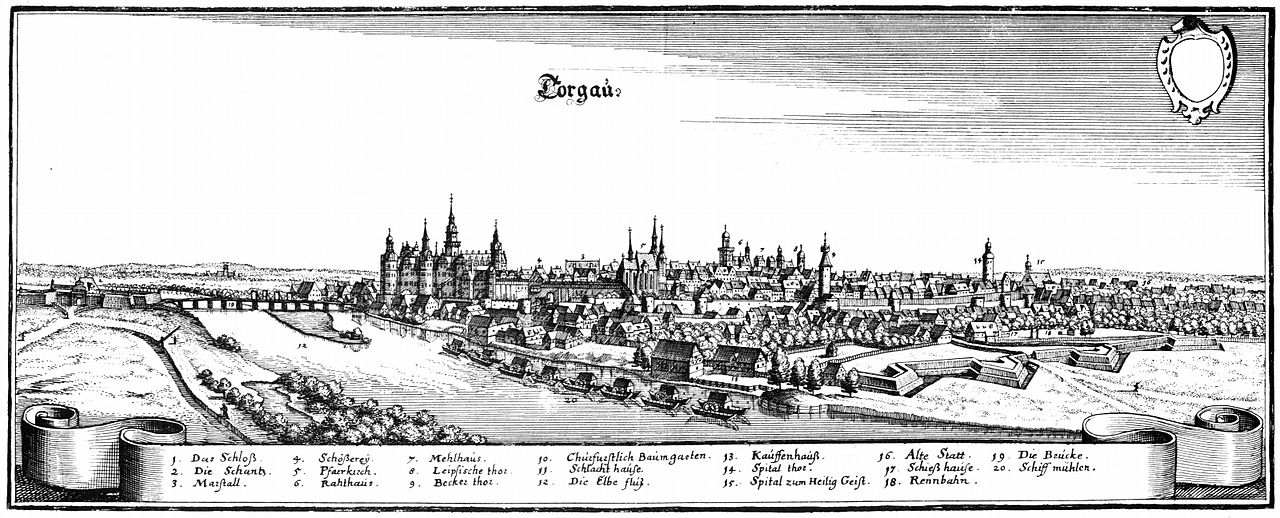

Historical development
From the late medieval period Torgau developed as a residence and administrative town within the territories that later formed the Electorate of Saxony. During the 16th century it became closely associated with the early Protestant movement. The local castle chapel and court were important in the religious and cultural changes of the Reformation era, attracting reformers and serving as a center for Protestant worship and administration.
Notable sites and architecture
- Hartenfels Castle: A dominant Renaissance complex that housed sovereign courts and ceremonial spaces, with an early Protestant chapel.
- Old Town: Timber-framed houses, a historical market square and a notable town hall reflecting Renaissance influences.
- Riverside and bridges: The Elbe crossing has long been a strategic and symbolic place in Torgau's story.
- Museums and memorials: Local museums document the Reformation, regional history and the town's 20th-century experiences.
World War II and "Elbe Day"
On April 25, 1945, units of the United States Army met soldiers of the Soviet Union near Torgau along the Elbe. The encounter—often called "Elbe Day"—was a powerful symbol of the collapse of Nazi Germany and the coming together of Allied forces. It established the line of contact between the Western Allies and the Soviets at the end of the fighting, but it did not by itself determine postwar occupation zones; the town and surrounding area that were initially occupied by U.S. forces were later transferred to Soviet control under allied agreements.
Torgau today
Today Torgau combines preservation of historical monuments with functions as a local administrative and cultural center. Visitors come for guided tours of the castle, for exhibitions about the Reformation and the last months of the Second World War, and for riverside walks. Commemorative events and local museums recall the town's layered history, balancing its role in early Protestantism with the modern memory of 20th-century events.
Legacy and distinctions
While relatively small, Torgau is often cited in studies of both the Reformation and twentieth-century European history because it preserves material evidence from those periods and because of the symbolic meeting that took place on the Elbe. Its architectural ensemble offers a clear example of Renaissance civic planning in a German riverside town, and its memorials encourage public reflection on reconciliation and the complex process of postwar occupation and reconstruction.
Torgau remains accessible to readers and visitors seeking a compact place where religious, political and military histories intersect.
Questions and answers
Q: Where is Torgau located?
A: Torgau is a town located in northwestern Saxony, Germany, on the banks of the Elbe.
Q: What historical event is Torgau well known for?
A: Torgau is well known as the place where, during the Second World War, United States Army forces met with forces of the Soviet Union during the invasion of Germany on April 25, 1945.
Q: What does the meeting between the American and Soviet forces signify?
A: The meeting between the American and Soviet forces marks the beginning of the line of contact between Soviet and American forces, but not the occupation zones.
Q: Did the U.S. forces occupy Torgau after the meeting with Soviet forces?
A: Yes, the area surrounding Torgau at first occupied by U.S. forces.
Q: Were there any changes in the occupation of Torgau after the initial occupation by U.S. forces?
A: Yes, the area surrounding Torgau, initially occupied by U.S. forces, was later, in July 1945, given over to Soviet forces.
Q: Why is Torgau historically significant?
A: Torgau is historically significant for being the meeting place of American and Soviet forces during the invasion of Germany in 1945.
Q: What is the location of Torgau's whereabouts?
A: Torgau is situated in northwestern Saxony, Germany by the banks of the Elbe.
Related articles
Author
AlegsaOnline.com Torgau — Elbe riverside town, Reformation center and Elbe Day landmark Leandro Alegsa
URL: https://en.alegsaonline.com/art/100686