
Torgau-Oschatz — former rural district (Landkreis) in Saxony, Germany
Torgau-Oschatz was a rural district in the Free State of Saxony from 1994 until the territorial reform of 2008. It combined the districts of Torgau and Oschatz and parts of Eilenburg.
Torgau-Oschatz was a rural district (Landkreis) in the Free State of Saxony, located in the northwestern part of the state. Formed in 1994 as part of post-reunification administrative reorganization, the district brought together the former districts of Torgau and Oschatz along with six municipalities transferred from the former district of Eilenburg. It existed until the 2008 district reform.
Image gallery
2 Images
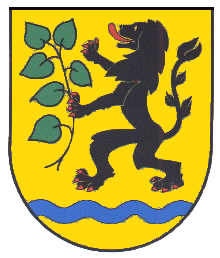
Geography and principal places
The district occupied a largely rural landscape characterized by river valleys, agricultural plains and patches of forest. The Elbe river and its floodplain influenced settlement and transport patterns in the area. The two principal towns were Torgau, which served as the administrative seat, and Oschatz. Smaller towns and numerous villages made up the remainder of the district, reflecting a mix of farming communities and small industrial centres.
History and administrative development
Torgau-Oschatz was created in 1994 by merging the districts of Oschatz and Torgau and incorporating six municipalities from the former Eilenburg district, an arrangement documented in official records of that period. The creation aimed to streamline local administration after German reunification and to adapt boundaries to contemporary economic and demographic conditions. The district's existence spanned fourteen years before being affected by a later wave of territorial reform.
Economy and governance
As a Landkreis, Torgau-Oschatz was responsible for regional planning, school administration, roads, social services and local economic promotion. Its economy combined agriculture, small and medium-sized enterprises, and services centered on the towns. Local councils and an elected district administrator managed public duties, coordinating with state (Land) authorities in Dresden.
Dissolution and legacy
In 2008 Saxony implemented a further district reform. Many of the functions and territories of Torgau-Oschatz were merged into the newly formed district of Nordsachsen, a change intended to increase administrative efficiency. Records and summaries of the reorganization note the transfer of municipal responsibilities and the reassignment of regional services. For more detail on the 1994 formation process see the district creation documentation.
Cultural and historical notes
Torgau, the historic centre of the former district, is notable for its Renaissance architecture and its association with the Protestant Reformation; landmarks in the area attract regional tourism and reflect a history that predates the modern Landkreis. Though the administrative unit no longer exists, the name Torgau-Oschatz remains in historical references and local memory.
- Main towns: Torgau (administrative seat) and Oschatz
- Formed: 1994 (merger of Oschatz, Torgau and parts of Eilenburg)
- Dissolved: 2008 (integrated into the new district structure)
Questions and answers
Q: What was Torgau-Oschatz?
A: Torgau-Oschatz was a rural district (Landkreis) in the Free State of Saxony, Germany.
Q: How was Torgau-Oschatz created?
A: Torgau-Oschatz was created in 1994 by joining the two districts Oschatz and Torgau, and 6 municipalities from the former district Eilenburg.
Q: When did Torgau-Oschatz end?
A: Torgau-Oschatz ended in 2008.
Q: What was the reason for the end of Torgau-Oschatz?
A: The text does not provide the reason for the end of Torgau-Oschatz.
Q: How many municipalities were included in Torgau-Oschatz?
A: Torgau-Oschatz included 6 municipalities from the former district Eilenburg.
Q: What state was Torgau-Oschatz located in?
A: Torgau-Oschatz was located in the Free State of Saxony, Germany.
Q: Was Torgau-Oschatz an urban or rural district?
A: Torgau-Oschatz was a rural district.
Related articles
Author
AlegsaOnline.com Torgau-Oschatz — former rural district (Landkreis) in Saxony, Germany Leandro Alegsa
URL: https://en.alegsaonline.com/art/100685