
Torbay: coastal unitary authority in South West England
Torbay is a coastal unitary authority on England’s south coast, known as the English Riviera. It comprises Torquay, Paignton and Brixham, noted for beaches, tourism, maritime heritage and local services.
Overview
Torbay is a coastal administrative area and natural bay on the south coast of England. It functions as a unitary authority and is often promoted as the "English Riviera" for its long shoreline and mild maritime climate. The resident population is roughly 120,000 people and the area is characterised by a mix of resort town centres, residential suburbs and smaller rural settlements.
Image gallery
8 Images



Geography and environment
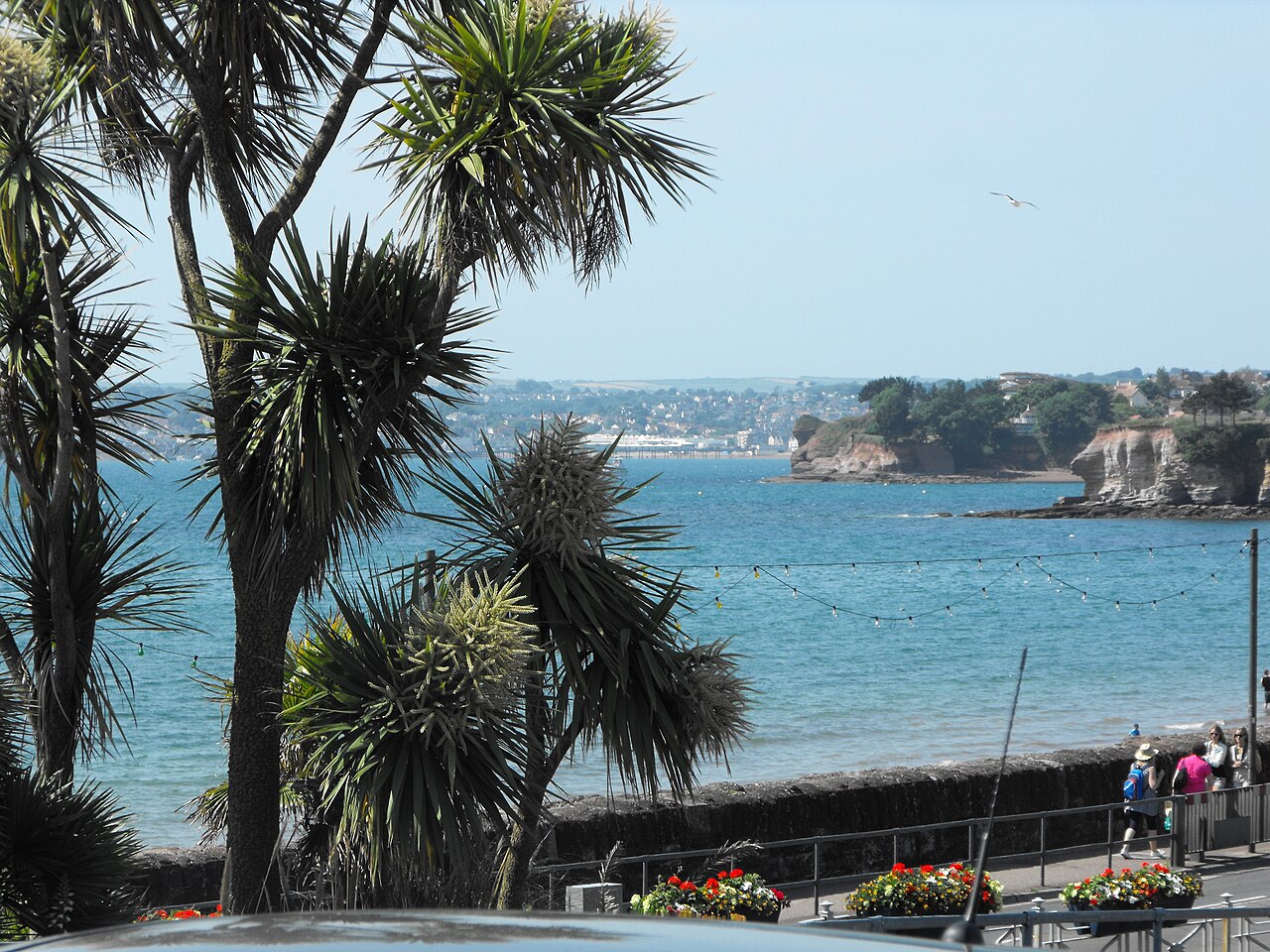
The Bay itself is a sheltered stretch of coastline with cliffs, headlands and more than twenty recognised bathing spots and coves. These beaches range from long sandy strands and family-friendly promenades to smaller pebbled coves and rocky foreshore used for walking and wildlife observation. The combination of coastal habitats, hedgerow-lined countryside and small estuaries supports local wildlife and contributes to the Bay's scenic appeal.
Towns, villages and settlements
Torbay is not a single town but a district containing three principal towns and a number of villages and suburbs. The principal towns are:
- Torquay — historically a seaside resort with Victorian and Edwardian promenades, visitor facilities and cultural links including the birthplace of the crime writer Agatha Christie.
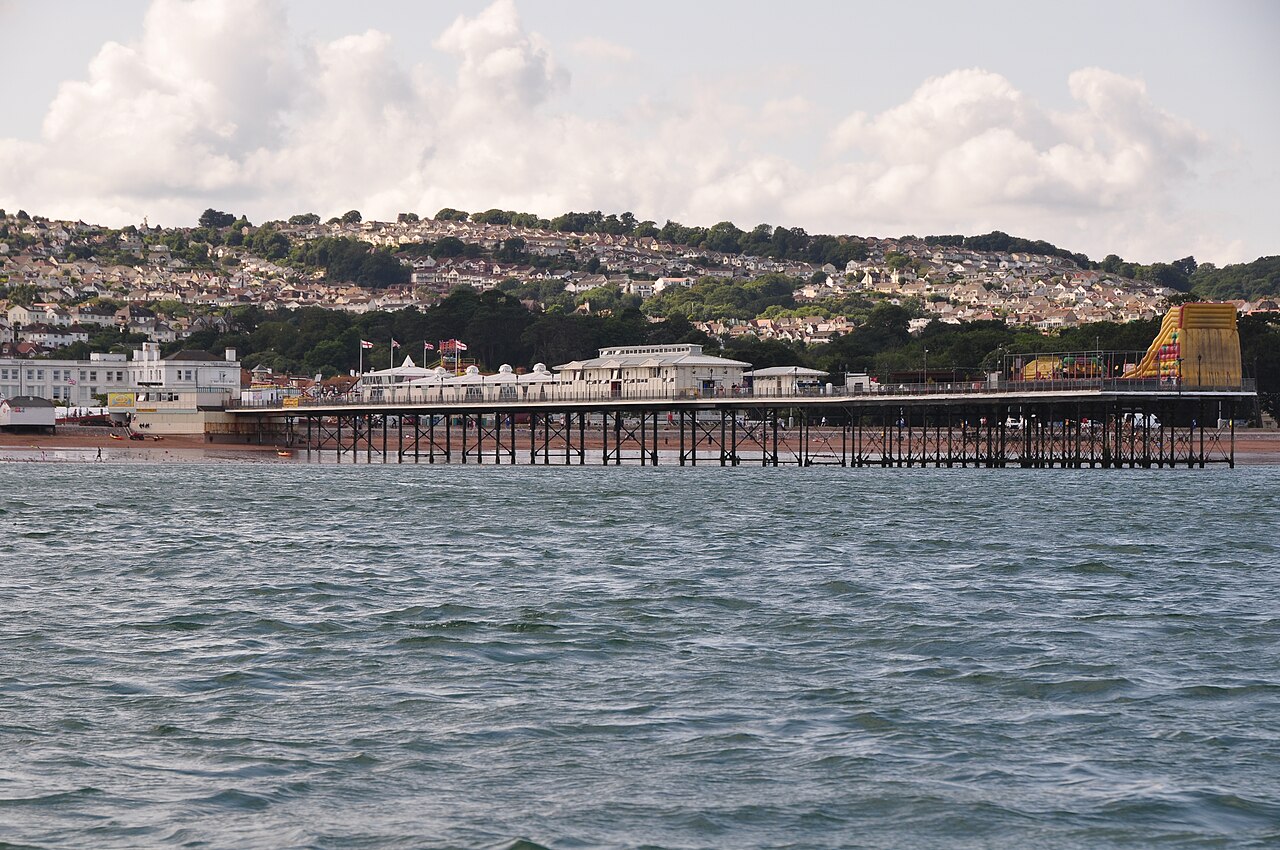
- Paignton — known for its family beaches, pier and holiday attractions.
- Brixham — a working fishing port with an active harbour and maritime traditions.
Beyond these urban centres are smaller settlements and hamlets; the area includes a number of villages such as Galmpton and local conservation areas that protect scenic and historic features (villages).
History and local government
The modern administrative identity of Torbay developed in the mid-20th century. It was originally organised as a county borough grouping the three urban centres, and later became a borough within the ceremonial county of Devon. The surrounding county is responsible for wider services in much of Devon, while Torbay's unitary status means a single council carries out most local functions in the Bay (surrounding county). Local governance was changed again after a 2007 referendum which led to the introduction of a directly elected Mayor, creating a mayoral executive model for the council.
Economy and tourism
Tourism is a key element of the local economy: seaside accommodation, hospitality, leisure services and seasonal events draw visitors and sustain many businesses. Fisheries, small marine industries and the service sector also contribute to the local economy. The area markets itself for short breaks, family holidays and heritage tourism, emphasising its promenades, gardens, maritime museums and festivals. For many residents and businesses, tourism remains a primary source of employment and investment.
Transport, culture and recreation
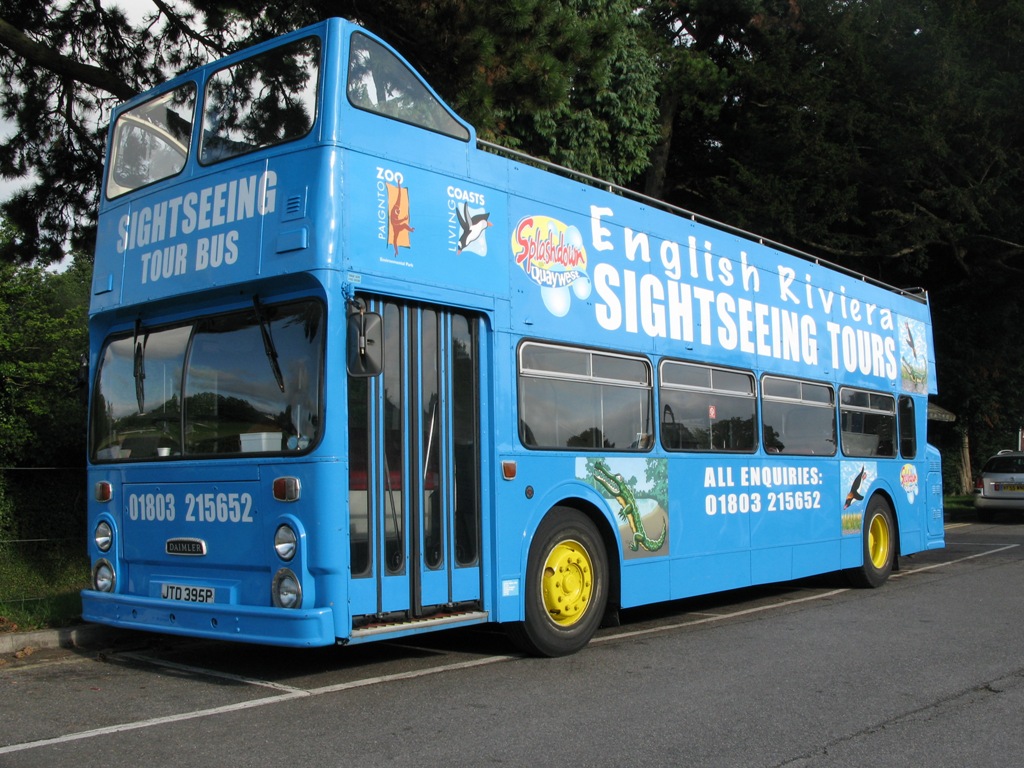
Torbay has road and rail links to neighbouring parts of the South West, along with local bus services and seasonal coastal connections. Cultural life includes local theatres, galleries, maritime festivals and historic sites that reflect both resort-era development and older seafaring traditions. Outdoor recreation is centred on coastal walking routes, sailing, fishing and beach activities, drawing locals and visitors throughout the year.
Conservation and planning
Conservation of coastal habitats, heritage buildings and public amenity spaces is a continuing local priority. Planning policies aim to balance visitor facilities and housing needs while protecting natural features, and local authorities work with community groups and conservation organisations to manage sensitive areas and promote sustainable tourism and development.
Further information
For official information on council services, planning, visitor facilities and local events see the Torbay authority and tourist information resources: unitary authority, visitor guides for Torquay, material about local villages and summaries of heritage and economy initiatives (local economy, tourism). Other administrative and historical summaries may be found through resources on the former county borough arrangements and the later borough status within Devon as well as information on the roles of the directly elected Mayor.
Questions and answers
Q: What is Torbay?
A: Torbay is a unitary authority in England.
Q: How many people live in Torbay?
A: 120,000 people live in Torbay.
Q: Where is Torbay located?
A: Torbay is located on the south coast of England.
Q: How many beaches does Torbay have?
A: Torbay has over 20 beaches.
Q: What is important to the local economy of Torbay?
A: Tourism is very important to the local economy of Torbay.
Q: What towns are contained within Torbay?
A: Torquay, Paignton, and Brixham are contained within Torbay.
Q: When was Torbay given unitary authority status?
A: Torbay was given unitary authority status in 1993.
Related articles
Author
AlegsaOnline.com Torbay: coastal unitary authority in South West England Leandro Alegsa
URL: https://en.alegsaonline.com/art/100672