
Tonic water
Carbonated soft drink flavored with quinine and sweeteners, originally used as an antimalarial preventive and now commonly mixed with spirits or consumed as a bitter soft drink.
Overview
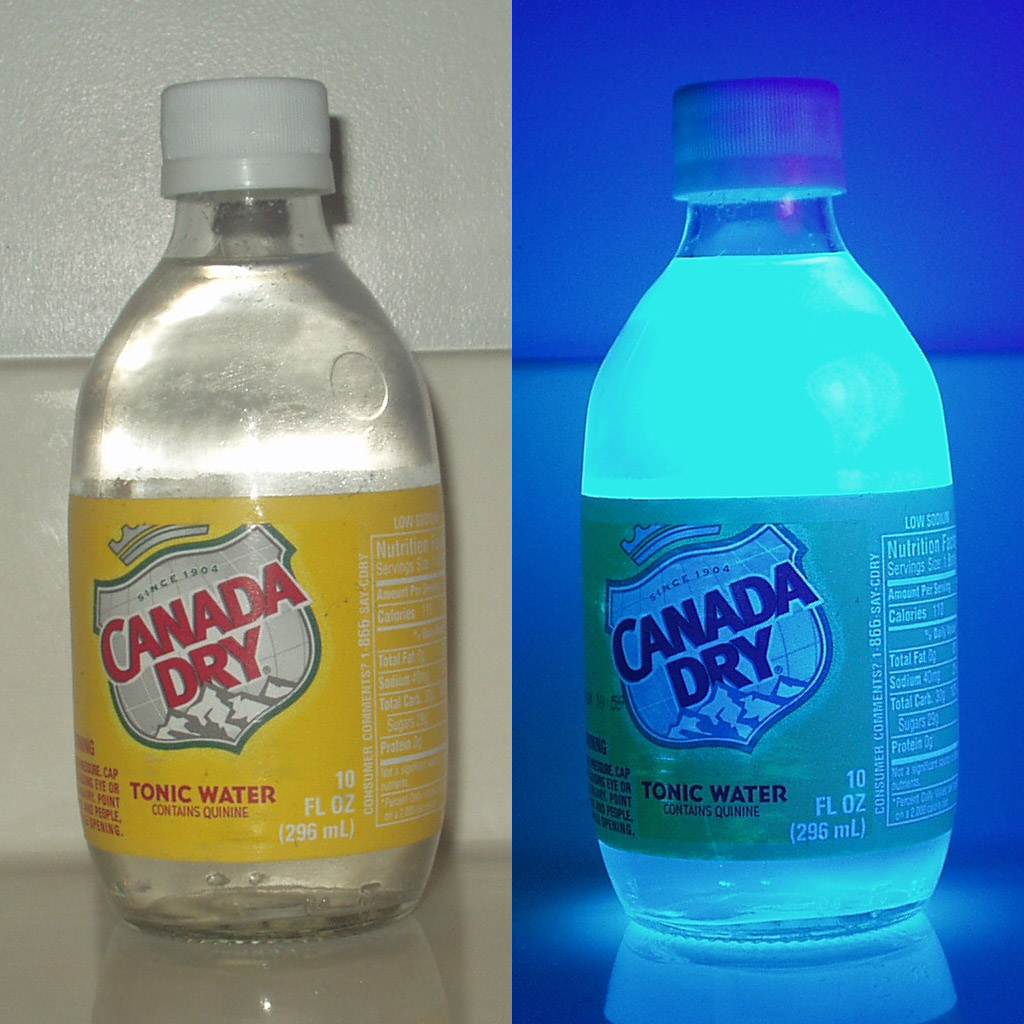
Tonic water is a carbonated soft drink characterized by a faintly bitter taste derived from quinine, an alkaloid once used to prevent and treat malaria. Traditionally consumed as a medicinal mixture, tonic water today is principally a mixer and a soft drink rather than a therapeutic agent. Its bitterness, effervescence and sweetening make it distinct from plain soda water and other carbonated beverages. Early tonic preparations were sold as a way to take quinine more palatably, often dissolved in carbonated water (soda) and sweetened.
Image gallery
5 Images



Composition and varieties
Modern tonic water combines four basic elements: carbonated water, a bittering agent (most commonly quinine), a sweetener and natural or artificial flavorings. Producers vary the balance of these components to create different styles, from lightly flavored diet tonics to more aromatic craft tonics that emphasize botanicals and citrus peel. While the bitter note traditionally comes from quinine (quinine), many commercial brands also include citric flavors, herbs, and reduced-sugar formulations.
- Typical ingredients: carbonated water, quinine, sweetener (sugar or artificial sweeteners), flavor extracts.
- Common variants: 'Indian' or 'Indian tonic', diet tonic, and craft tonic with enhanced botanical notes.
History and development
The beverage's origin is tied to colonial-era efforts to prevent malaria. Quinine, extracted from cinchona bark, was one of the earliest effective compounds against the disease and was widely used in regions where malaria was endemic (malaria). To make quinine more palatable, it was mixed with water and sweeteners and later carbonated. Tonic water emerged commercially in the 19th century — well before synthetic antimalarial drugs such as chloroquine became available in the 20th century (chloroquine). British colonists and other expatriates in tropical areas commonly consumed quinine-based tonics, often combining them with alcoholic spirits.
Uses and examples
Tonic water is most famous as the companion to gin in the gin and tonic, a long drink that helped popularize the mixer worldwide. It is also used with other liquors and in non-alcoholic cocktails to add bitterness and effervescence. Bartenders value tonic for its ability to lift botanical or herbal flavors without adding strong sweetness. In casual drinking, tonic can be enjoyed on its own over ice with a slice of citrus.
Examples of pairing and usage include simple mixology with various liquors, the classic gin and tonic pairing with gin, or as a low-alcohol alternative in spritz-style drinks.
Health, safety and regulation
Quinine was used historically for malaria prevention, but modern tonic water contains much smaller amounts of quinine than medicinal preparations. Because quinine can produce adverse effects in some people — including a constellation of symptoms historically described as cinchonism — consumers are advised to be aware of allergies, interactions with medications, and specific health conditions. Pregnant women are generally advised to consult healthcare professionals about quinine exposure (pregnancy). Regulatory agencies in many countries set limits on the concentration of quinine permitted in beverages and require appropriate labeling.
Notable distinctions and facts
Although often called "Indian tonic" in reference to its colonial-era popularity, tonic water is a global soft drink with numerous stylistic variations. It differs from plain carbonated water by its bittering agent and sweetener profile. In recent decades, craft producers have introduced tonics with bolder quinine content or more complex botanical blends, aimed at complementing premium spirits or standing on their own as a distinctive soft drink. For more information on production methods and brand histories, see further resources on beverage composition and the historical use of quinine (sugar) and carbonation (soda) in tonic-making.
For historical context and medical guidance, refer to authoritative sources on malaria prevention and the clinical use of quinine (malaria) and (chloroquine). Additional background on mixers and cocktail recipes can be found in bartending and beverage literature (quinine).
Questions and answers
Q: What is tonic water?
A: Tonic water is a type of soda that has a slightly bitter taste.
Q: Why does tonic water have a bitter flavor?
A: Tonic water contains quinine, which is a bitter-tasting substance.
Q: What was the original purpose of quinine in tonic water?
A: Quinine was originally added to tonic water as a protection against Malaria.
Q: When was the first drug against Malaria developed?
A: Chloroquine, the first drug against Malaria, became available in 1934.
Q: When was tonic water first made available?
A: Tonic water was first made available in the 1860s, over 70 years before the first drug against Malaria.
Q: What is the most common alcoholic beverage that is mixed with tonic water?
A: Gin and tonic is the most common alcoholic beverage that is mixed with tonic water.
Q: Are there any health concerns related to consuming quinine in tonic water?
A: Quinine should not be consumed during pregnancy and there are other medical conditions where it is not recommended to use quinine or tonic water containing it. Today, tonic water contains much less quinine than before the drug against Malaria was developed.
Related articles
Author
AlegsaOnline.com Tonic water Leandro Alegsa
URL: https://en.alegsaonline.com/art/100540