
Tokyo Electric Power Company (TEPCO): profile, operations and Fukushima overview
Overview of TEPCO, Japan's largest utility in the Kantō area: service territory, infrastructure, corporate structure, the 2011 Fukushima Daiichi accident and subsequent cleanup, reforms and ongoing challenges.
Overview
Tokyo Electric Power Company, widely known as TEPCO (also Toden), is one of Japan's largest electric utilities. The company is listed on Japanese markets and is commonly referenced by its stock code. TEPCO supplies electricity across the densely populated Kantō region, including Tokyo, and portions of neighboring prefectures such as Yamanashi Prefecture and the eastern part of Shizuoka Prefecture. Its corporate headquarters are in Uchisaiwaicho in Chiyoda Ward (Uchisaiwaicho, Chiyoda, Tokyo), and it maintains international offices for liaison and technical exchange in locations including Washington, D.C. and London.
Image gallery
3 Images

Service area and assets
TEPCO operates a broad portfolio of generation and network assets to meet residential, commercial and industrial demand in one of the world's most densely populated regions. Its asset mix has included thermal (fuel‑fired) power stations, hydroelectric dams, and a number of nuclear reactors. The utility also owns and operates high‑voltage transmission lines and extensive local distribution networks that deliver electricity to millions of customers. Managing supply in the Kantō plain requires coordination between generation, transmission operators and regulators to balance reliability, cost and environmental objectives.
- Generation: a mix of thermal, hydroelectric and formerly multiple nuclear units.
- Transmission and distribution: high‑voltage transmission corridors and dense urban distribution networks.
- Customers: a large and diverse base, from households and businesses to critical public services and large industrial users.
History and corporate structure
TEPCO emerged over many decades as a major integrated utility serving Tokyo and surrounding areas. The company's ownership, governance and market role have evolved in response to economic change, regulatory reform and episodes that drew public scrutiny. Institutional and municipal shareholders have at times held significant stakes; for example, the Tokyo prefectural government is a notable shareholder (Tokyo Prefecture stake). Corporate decisions have been shaped by national energy policy, market liberalization and the imperative of system reliability.
Fukushima Daiichi accident and aftermath
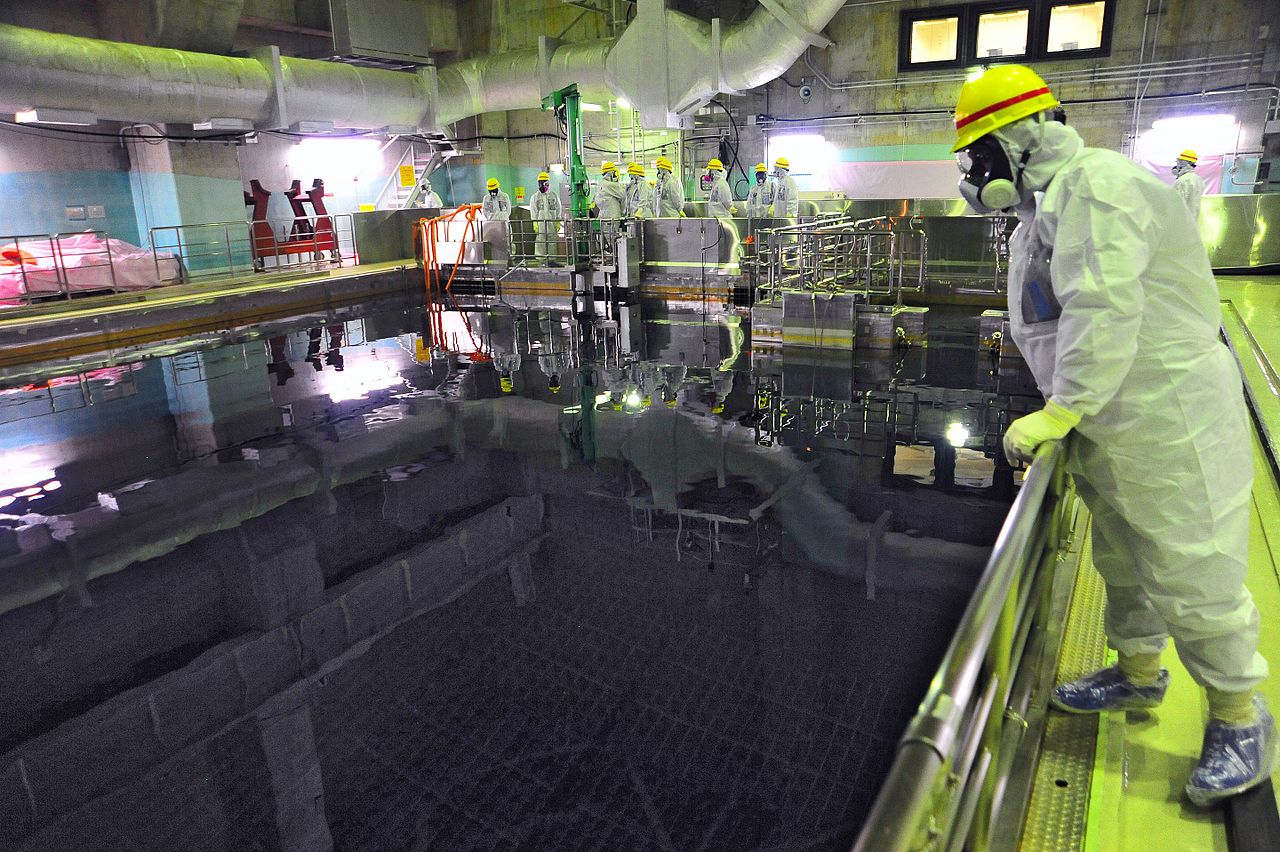
On 11 March 2011 the Tōhoku earthquake and tsunami (the Tōhoku earthquake and tsunami) triggered catastrophic failures at TEPCO's Fukushima Daiichi nuclear power station (Fukushima Daiichi). The resulting nuclear accident released radioactive material to the environment, prompted large evacuations and created an extensive, long‑term challenge of cleanup, decontamination and decommissioning. Tens of thousands of residents were displaced for extended periods. The event led to wide‑ranging regulatory, legal and financial consequences for TEPCO and stimulated national debates on emergency preparedness, radiation management and the future role of nuclear power in Japan.
Cleanup, decommissioning and compensation
Decommissioning the damaged reactors and managing contaminated materials has been a long and technically complex process involving TEPCO, national agencies and international experts. Activities have included stabilization of damaged units, removal and safe management of radioactive waste, remediation of contaminated land, and programs to compensate affected residents and businesses. Authorities and the company have prioritized transparency and technical review, while acknowledging that many tasks remain long‑term and resource intensive.
Regulatory response and reforms
The Fukushima accident prompted major changes to Japan's nuclear regulatory framework, emergency planning and industry oversight. New institutions and stricter safety standards were introduced to improve independent assessment of plant safety and to strengthen crisis response. The events also accelerated public discussion of energy policy choices, including diversification toward renewables, energy efficiency measures, and reassessment of nuclear generation's place in a low‑carbon energy mix.
Ongoing role and challenges
TEPCO continues to play a central role in supplying electricity to the Tokyo metropolitan area while adapting to evolving policy goals such as decarbonization, grid modernization and distributed generation. The company faces continued technical, financial and reputational challenges related to decommissioning legacy facilities, compensating affected communities, restoring trust, and investing in resilient infrastructure. Its experience remains a reference point in international discussions of utility governance, disaster preparedness and the management of complex infrastructure risks.
Further reading and sources
Readers seeking primary documentation and detailed technical reports can consult corporate filings and official governmental reviews. Additional contextual resources include materials on the company's listing and financial identifiers (stock information), the geography of its service territory (Kantō region, Yamanashi, Shizuoka), headquarters and offices (Uchisaiwaicho, Chiyoda, Washington, London), the 2011 natural disaster (Tōhoku earthquake and tsunami), the Fukushima site (Fukushima Daiichi) and governance context (Tokyo Prefecture interests).
History
Shortly before the start of World War II, all power-generating companies in Japan were nationalized in April 1939 and consolidated into nine state-owned enterprises in 1942. At the instigation of Yasuzaemon Matsunaga (1875-1971), chairman of the Council for the Reorganization of the Electricity Industry, the Allied Occupation Authorities had these nine companies privatized on May 1, 1951, one of which was the Tōkyō Denryoku. These initially retained their regional monopolies and, after the liberalization of the electricity market in 1995, regional quasi-monopolies.
Tepco is Japan's largest energy producer, producing 27% of the country's energy. The corporation holds a quasi-monopoly in the Tokyo metropolitan area, a supply area of 45 million inhabitants - more than a third of the Japanese population.
In the list of the world's largest companies by revenue (Fortune Global 500), Tepco was ranked 136th in 2007, or 13th for Japan. The company is also one of the world's 30 largest emitters of carbon dioxide. In 2007, emissions from the plants it operates amounted to 62.0 million tonnes of CO2.


Power Generation
In 2009, Tepco was the operator of
- 160 hydropower plants with a total capacity of 8,987 MW,
- 25 combustion power plants with 38,189 MW (of which 10,830 MW by oil, 1600 MW by coal and 25,759 MW by natural gas/liquid gas),
- 3 nuclear power plants (Fukushima Daiichi, Fukushima Daini and Kashiwazaki-Kariwa) with a total of 17 nuclear reactors with 17,308 MW,
- a geothermal power plant with 3.3 MW and
- a wind power plant with 0.5 MW.
The latter two power plants are located on Hachijō-jima Island and were built in 1999 and 2000, respectively.
Questions and answers
Q: What is Tokyo Electric Power Co. (TEPCO)?
A: Tokyo Electric Power Co., Ltd, also known as Toden or TEPCO, is a Japanese company that sells electrical power in Japan's Kantō region, Yamanashi Prefecture, and the eastern part of Shizuoka Prefecture.
Q: Where are TEPCO's headquarters located?
A: TEPCO's headquarters are in Uchisaiwaicho, Chiyoda, Tokyo.
Q: What happened to TEPCO's power plant at Fukushima Daiichi in March 2011?
A: TEPCO's power plant at Fukushima Daiichi became a continuing nuclear disaster after the March 2011 Tōhoku earthquake and tsunami.
Q: How many households were forced to evacuate the area because of radiation leaks caused by the Fukushima disaster?
A: The Fukushima disaster forced 50,000 households to leave the evacuation zone because of radiation leaks into the air, soil, and sea.
Q: Does TEPCO have international offices?
A: Yes, TEPCO has international offices in Washington, D.C., and London.
Q: Which area does TEPCO provide electrical power to?
A: TEPCO provides electrical power to Japan's Kantō region, Yamanashi Prefecture, and the eastern part of Shizuoka Prefecture, which includes Tokyo.
Q: Who is the largest shareholder in TEPCO?
A: Tokyo Prefecture is the largest shareholder in TEPCO with 9.37 percent voting rights.
Related articles
Author
AlegsaOnline.com Tokyo Electric Power Company (TEPCO): profile, operations and Fukushima overview Leandro Alegsa
URL: https://en.alegsaonline.com/art/100307
Sources
- bloomberg.com : "Police to Send Riot Squads to Tepco Meeting"